North Africa’s Strategic Transit Hub
Why It Matters
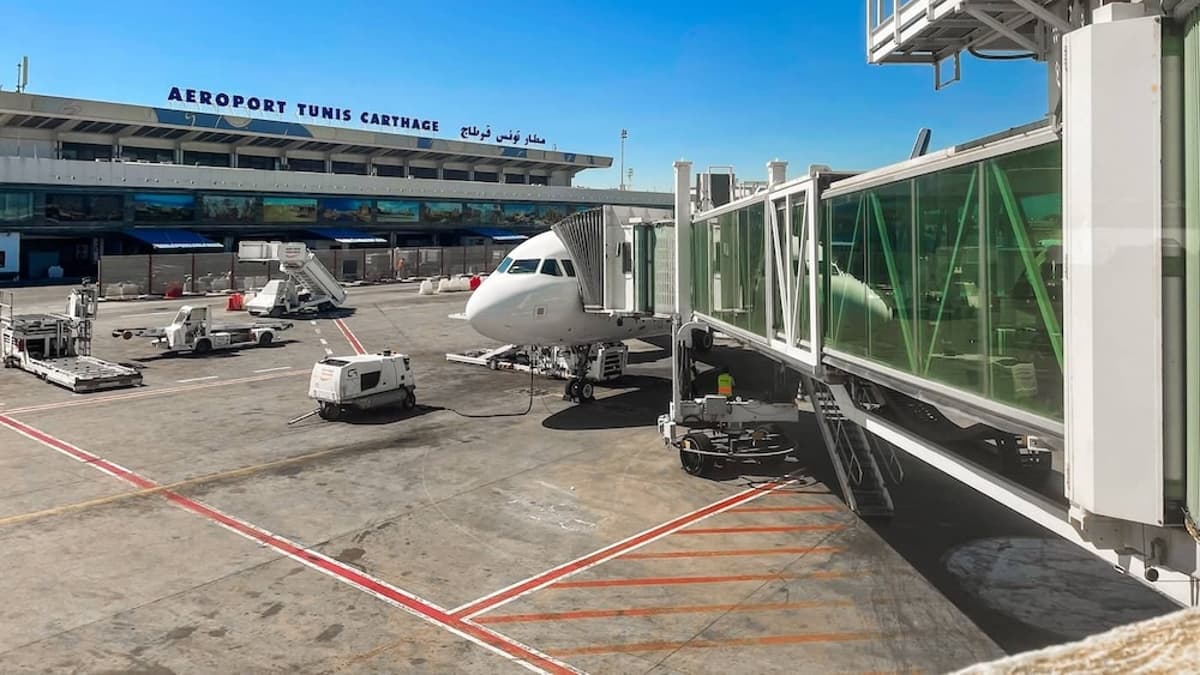
The airport’s speed and cost advantage provide multinational shippers a reliable gateway to North Africa’s energy sector, shaping regional trade flows. Its performance influences logistics strategies for Libya, Algeria, and the broader Mediterranean market.
Key Takeaways
- •Three‑day customs clearance makes Tunisia a fast transit hub
- •MOHAB handles growing oil‑gas cargo between Tunisia, Libya, Algeria
- •Carrier ties with Royal Air Maroc extend reach into African markets
- •Cost‑effective handling attracts multinational freight forwarders
- •Limited long‑haul links offset by procedural efficiency and reliability
Pulse Analysis
North Africa’s logistics landscape hinges on a few resilient nodes, and Tunis‑Carthage Airport has emerged as a pivotal transit point. While larger hubs in the region grapple with aging infrastructure and political volatility, Tunisia leverages its geographic proximity to Libya and Algeria and a well‑maintained overland network to offer shippers a dependable alternative. The airport’s modest facilities are complemented by a robust customs regime that trims clearance times to roughly three days, a decisive edge for time‑sensitive cargo moving across the Mediterranean corridor.
The efficiency gains translate directly into supply‑chain resilience for the region’s energy sector. Operators such as MOHAB Logistics channel critical spare parts and bulk commodities through Tunis, supporting oil‑gas projects in Hassi Messaoud and beyond. Competitive handling rates and predictable transit windows have attracted multinational freight forwarders, who cite the airport’s ability to maintain service continuity despite surrounding instability. This cost‑performance balance not only reduces landed costs for exporters but also mitigates the risk of production downtime for energy firms reliant on rapid part replacement.
Looking ahead, Tunis‑Carthage’s strategic relevance will be tested by evolving trade routes and geopolitical dynamics. Partnerships with carriers like Royal Air Maroc broaden the airport’s reach into sub‑Saharan Africa, partially compensating for limited direct flights to the US, China, or deeper African markets. Continued investment in procedural automation and selective infrastructure upgrades could further cement its role as a cost‑effective gateway. However, sustained relevance will ultimately depend on Tunisia’s capacity to adapt to shifting regional capacities, maintain customs efficiency, and nurture carrier alliances that keep the hub integrated within the global air‑cargo network.
North Africa’s Strategic Transit Hub
Comments
Want to join the conversation?
Loading comments...