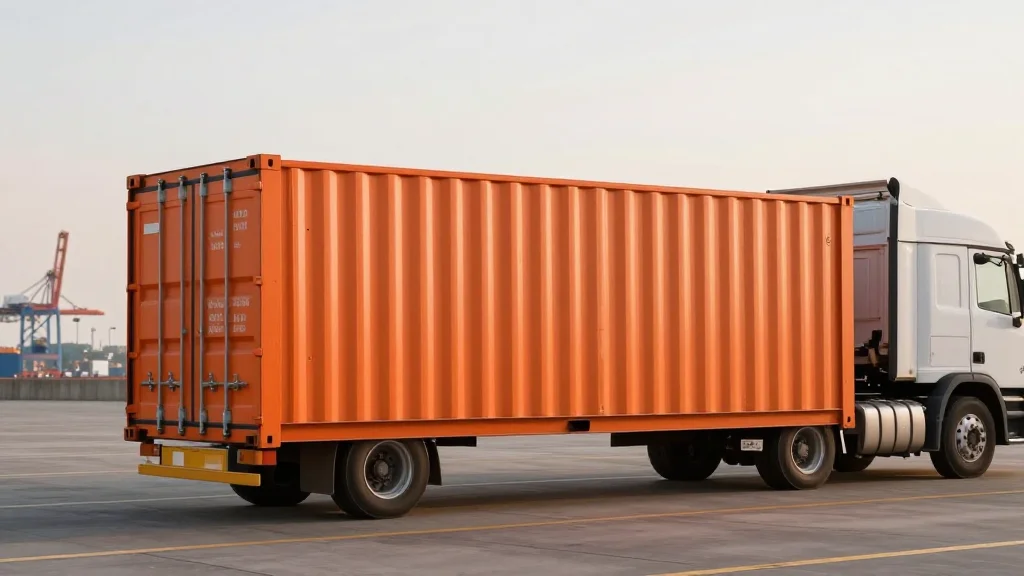
NY-NJ Updating Port Tariff to Combat Rising Backlog of Empty Boxes
Why It Matters
By pricing empties at off‑dock locations, the authority hopes to incentivize faster container turnaround, reducing supply‑chain bottlenecks and lowering cost overruns for importers and exporters.
Key Takeaways
- •Tariff now applies to off‑dock depots beyond port limits
- •Truckers report longer wait times returning empty containers
- •Higher fees aim to accelerate container repositioning
- •Shippers could see reduced detention and demurrage charges
Pulse Analysis
The New York‑New Jersey gateway, handling roughly 7 million TEUs annually, has long wrestled with empty‑container congestion. When containers sit idle, they occupy valuable yard space and tie up chassis, forcing truckers to wait for hours or even days. The original three‑year‑old empties fee targeted containers lingering within the port, but carriers quickly shifted storage to nearby off‑dock facilities, sidestepping the charge while still contributing to regional bottlenecks. Extending the tariff to these satellite depots closes that loophole, creating a financial incentive for faster container return cycles.
Industry analysts view the move as a pragmatic response to a systemic imbalance between inbound and outbound container flows. As U.S. imports rebound after pandemic disruptions, the volume of empty boxes returning westward has surged, outpacing the capacity of inland depots and rail intermodal terminals. By internalizing the cost of storage beyond the waterfront, the PANYNJ hopes to nudge carriers toward more efficient repositioning strategies, such as backhauling cargo or using pool‑sharing arrangements. This could also stimulate investment in automated depots and smarter inventory management platforms, ultimately smoothing the logistics chain.
For shippers, the revised tariff could translate into lower overall logistics expenses. Detention and demurrage fees, which can run into hundreds of dollars per container per day, often stem from delayed empties. If carriers accelerate returns to avoid the new fees, downstream costs may decline, improving cash flow for import‑heavy retailers and manufacturers. However, carriers may pass the additional tariff onto customers, so the net impact will depend on contract negotiations and the speed at which the industry adapts to the new pricing structure.
NY-NJ updating port tariff to combat rising backlog of empty boxes
Comments
Want to join the conversation?
Loading comments...