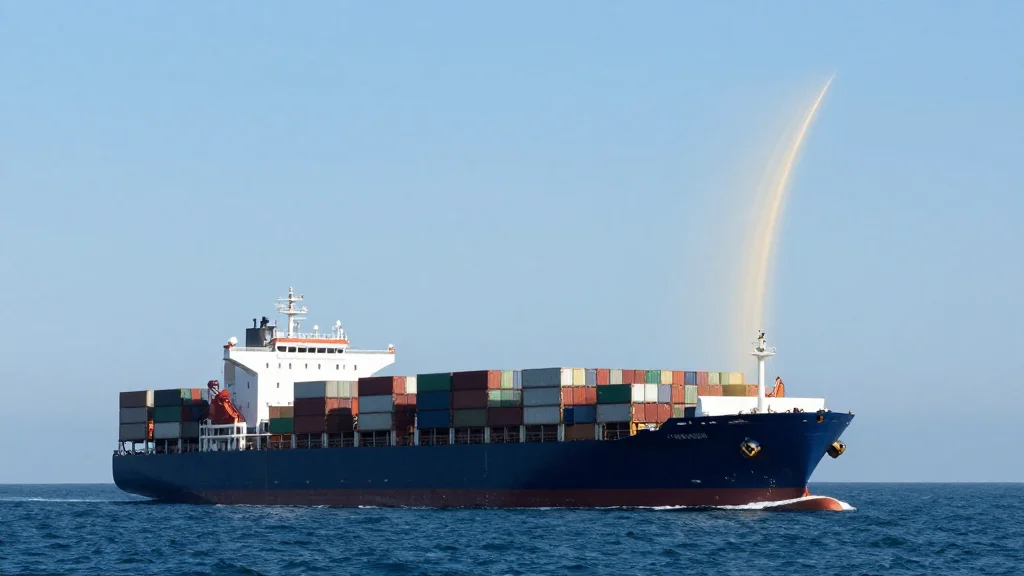
Ocean Shipping Surcharges Spurred by Iran War Weigh on Contract Talks
Why It Matters
Higher fuel surcharges tighten margins for retailers and increase freight‑cost volatility, influencing contract terms across the global supply chain. The regulatory pushback signals tighter oversight of carrier pricing power, affecting future rate‑setting practices.
Key Takeaways
- •Iran war spikes oil prices, prompting carrier fuel surcharges
- •Shippers renegotiating contracts amid rising ocean freight costs
- •FMC rejected surcharge requests lacking 30‑day notice
- •Trucking and air‑freight also see double‑digit fuel fee hikes
- •Retailers adjust cargo flows to mitigate congestion and cost
Pulse Analysis
The renewed conflict in the Middle East has forced the strategic chokepoint of the Strait of Hormuz into a bottleneck, driving crude oil prices higher and inflating bunker fuel costs for ocean carriers. When fuel prices climb, carriers typically pass the expense to shippers through fuel surcharges, a practice now evident across the major liner alliances. MSC, CMA CGM, Ocean Network Express and Maersk have each announced tiered surcharges that vary by trade lane, effectively raising the landed cost of imported goods for U.S. retailers. This dynamic adds a layer of uncertainty to contract negotiations, as many shippers must now embed flexible surcharge clauses or renegotiate baseline rates to protect profit margins.
Compounding the issue, the Federal Maritime Commission (FMC) has exercised its oversight role by denying several carrier requests to impose surcharges without the mandated 30‑day public notice. The regulator’s stance underscores growing scrutiny of pricing transparency in the maritime sector, compelling carriers to provide clearer justification for any fee adjustments. For shippers, this regulatory pushback offers a modest reprieve, but the underlying fuel price pressure remains, prompting many to explore alternative routing, slower vessel speeds, or multimodal shifts to contain costs.
The ripple effect extends beyond the high seas. Trucking firms report a 25% jump in fuel surcharges, while FedEx, UPS and air‑freight operators cite mid‑to‑high double‑digit rate hikes tied to jet‑fuel spikes. As logistics providers across modes grapple with similar cost drivers, retailers are forced to re‑evaluate inventory strategies, potentially increasing safety stock or diversifying supplier bases. In the longer term, sustained fuel volatility may accelerate investments in greener propulsion technologies and more resilient supply‑chain designs, reshaping cost structures across the entire freight ecosystem.
Ocean shipping surcharges spurred by Iran war weigh on contract talks
Comments
Want to join the conversation?
Loading comments...