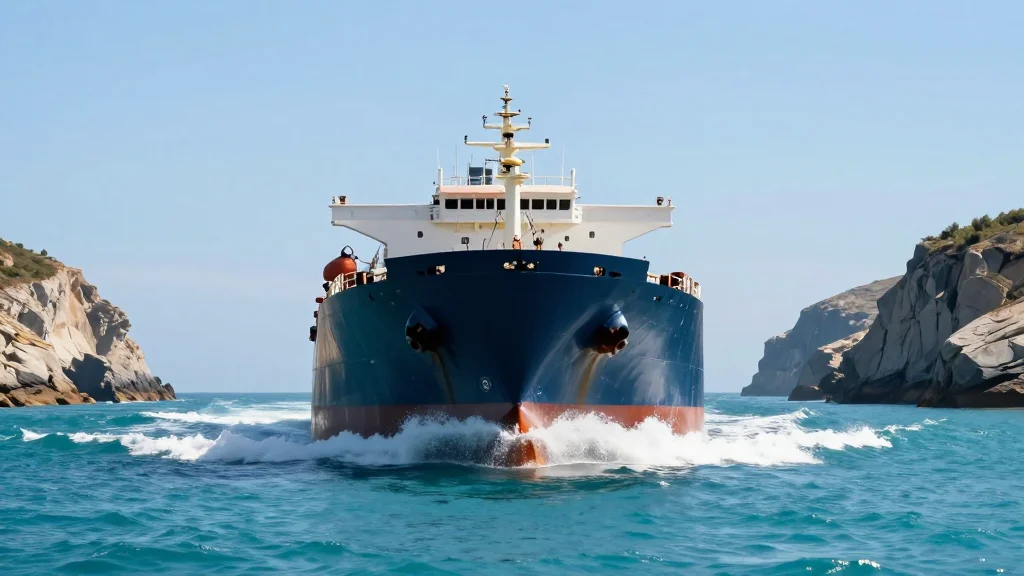
Oil and LNG Tankers Resume Strait of Hormuz Transit, Easing Global Supply Bottlenecks

Why It Matters
The Strait of Hormuz handles about 20% of global oil and a comparable share of LNG exports, making it a linchpin of the energy supply chain. Its closure forced refiners to rely on costly alternative routes, inflating freight rates and insurance premiums, and pushing consumer fuel prices upward worldwide. By restoring transit, the bottleneck eases logistical constraints, stabilizes commodity markets, and reduces the risk of a prolonged supply shock that could reverberate through manufacturing, transportation and food‑production sectors. Moreover, the diplomatic breakthrough signals a possible de‑escalation of broader U.S.–Iran tensions, which have broader geopolitical implications for trade routes across the Middle East. A sustained reopening could encourage investors to re‑enter the region’s energy projects, support the recovery of Gulf‑state production, and lower the volatility that has plagued energy markets since the conflict began.
Key Takeaways
- •Oil and LNG tankers resume passage through the Strait of Hormuz after a three‑month shutdown
- •Brent crude falls below $98 per barrel; WTI trades around $91 as markets react
- •Iranian spokesman Esmail Baghaei says consensus reached on many issues, though no final deal yet
- •U.S. Secretary of State Marco Rubio hints new information on the deal may be forthcoming
- •Shipping backlog of ~480 vessels expected to clear within two weeks, easing freight and insurance costs
Pulse Analysis
The reopening of the Hormuz corridor is less a triumph of diplomacy than a pragmatic response to market pressure. For three months, the chokepoint’s closure forced oil majors to reroute cargo via the longer Cape of Good Hope, inflating shipping costs by up to 30% and prompting a surge in war‑risk insurance premiums. Those added expenses were quickly passed down the supply chain, amplifying fuel price spikes in emerging economies that already face currency depreciation and high import bills. The current de‑escalation therefore represents a cost‑saving reset for both shippers and end‑users.
Historically, the Strait has been a flashpoint for geopolitical leverage, but its operational importance outweighs the short‑term political gains of keeping it closed. The rapid market reaction—Brent sliding below $98 and European gas futures dropping—shows that traders had priced in a prolonged disruption. The swift price correction suggests that the market had been over‑reacting to the risk premium, and that the supply chain is resilient enough to absorb short‑term shocks when the physical flow resumes. However, the underlying diplomatic negotiations remain delicate; any reversal could instantly reignite price volatility and resurrect the insurance premium surge.
Looking ahead, the key question is whether the reopening will translate into a durable supply‑chain stability or merely a temporary lull. If the U.S. and Iran can lock in a formal agreement, we may see a gradual normalization of freight rates and a modest decline in global fuel inflation, benefitting economies like India that are heavily dependent on imported energy. Conversely, a relapse into hostilities would likely trigger a new wave of speculative buying, re‑tightening of shipping lanes, and renewed pressure on downstream sectors ranging from aviation to agriculture. Stakeholders should therefore monitor not just the physical movement of tankers but also the diplomatic language emerging from Washington and Tehran for early warning signs of another disruption.
Oil and LNG Tankers Resume Strait of Hormuz Transit, Easing Global Supply Bottlenecks
Comments
Want to join the conversation?
Loading comments...