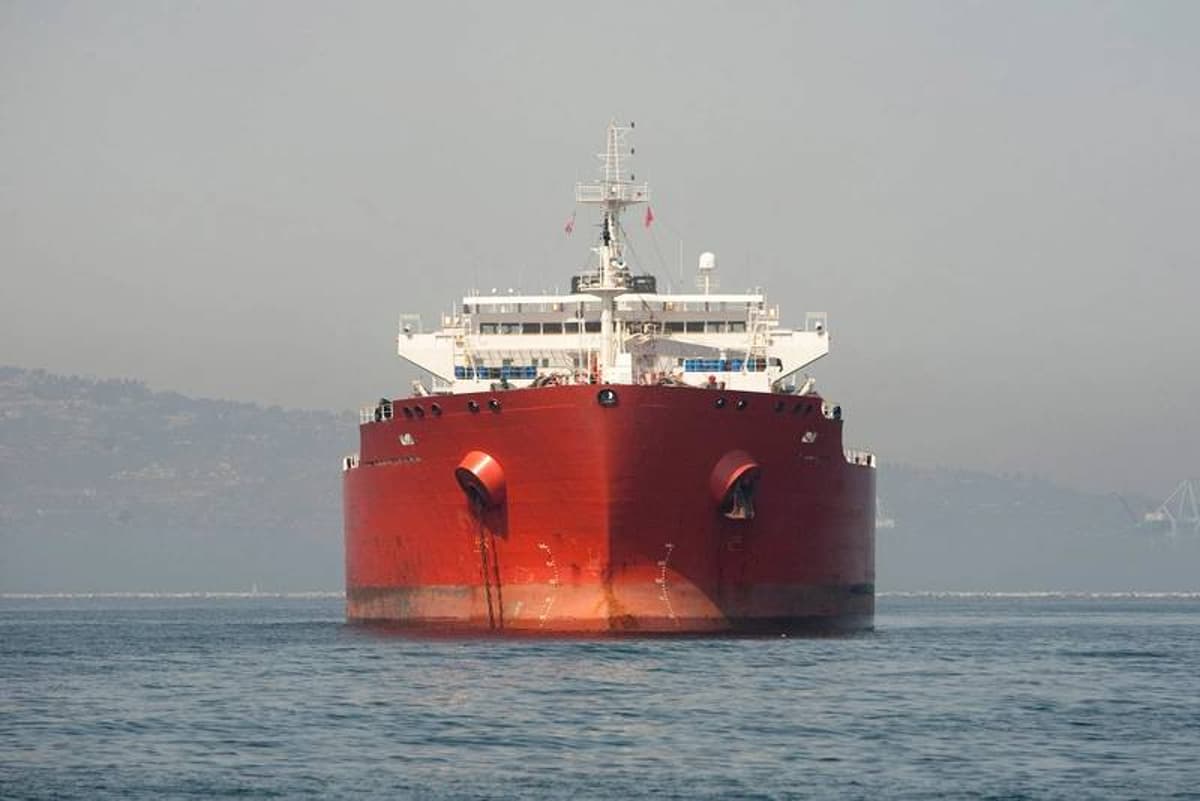
Oil From US Emergency Reserve Heads to California
Companies Mentioned
Why It Matters
Redirecting SPR oil to the West Coast demonstrates how geopolitical shocks can force the United States to re‑engineer domestic supply chains, bolstering California’s refining capacity while testing policy tools like the Jones Act waiver.
Key Takeaways
- •460,000 barrels of SPR oil sent to Chevron’s Richmond refinery
- •First-ever SPR cargo delivered to California since reserve’s creation
- •Iran war forces U.S. to reroute strategic crude to West Coast
- •Panama pipeline enables Gulf‑to‑Pacific transfer of SPR oil
- •Jones Act waiver used to bypass domestic shipping restrictions
Pulse Analysis
The Strategic Petroleum Reserve, established after the 1973 oil embargo, serves as a national emergency stockpile to stabilize markets during supply shocks. Historically, its barrels have been released on the Gulf Coast, where the majority of U.S. refineries sit. Shipping SPR crude to California marks a strategic pivot, illustrating that the reserve can function as a flexible logistics asset rather than a static, region‑locked buffer. This flexibility is increasingly valuable as the nation confronts volatile geopolitics and shifting demand patterns.
The ongoing Iran‑Israel conflict has choked off traditional Middle‑Eastern crude flows, prompting U.S. importers to seek alternative sources. By routing SPR oil through the Panama Canal and an 81‑mile pipeline that links the Atlantic and Pacific terminals, Chevron leveraged a rare Jones Act waiver to avoid the costly requirement of using U.S.-built vessels for domestic transport. The maneuver underscores how private operators and policymakers can collaborate to circumvent regulatory bottlenecks when national energy security is at stake, while also highlighting the strategic importance of Panama’s infrastructure in global oil logistics.
For California, a state that transitioned from a top producer to a net importer, the arrival of SPR crude eases immediate feedstock constraints at its largest refineries. It also signals that the federal government may be willing to deploy the reserve beyond traditional Gulf‑focused scenarios, potentially reshaping the West Coast’s competitive landscape. As demand from Asia intensifies and domestic production wanes, such deployments could become a regular tool to balance regional supply gaps, reinforcing the SPR’s role as a dynamic lever in America’s energy strategy.
Oil From US Emergency Reserve Heads to California
Comments
Want to join the conversation?
Loading comments...