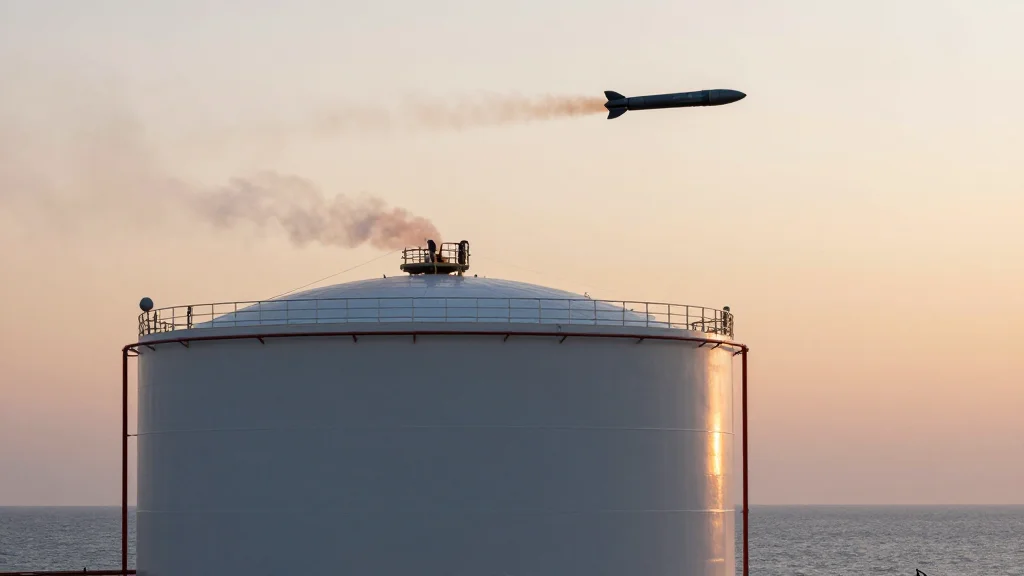
Oil Prices Jump After Iran Strikes UAE Fujairah Facility, Sparking Energy Supply Chain Concerns

Why It Matters
The Fujairah strike illustrates how a single point of failure in the energy logistics network can trigger worldwide price volatility, affecting everything from consumer gasoline costs to the operating margins of manufacturers that depend on petrochemical feedstocks. For supply‑chain managers, the event reinforces the need for diversified sourcing, strategic inventory buffers, and real‑time risk monitoring in regions prone to geopolitical tension. Moreover, the price surge feeds into broader inflation dynamics, pressuring central banks and potentially reshaping monetary policy trajectories. In the longer term, the episode may accelerate investments in alternative energy transport routes, such as overland pipelines and renewable‑based logistics, as firms seek to hedge against the recurring threat of Middle‑East flashpoints. Policymakers, too, will face pressure to bolster maritime security and to coordinate multilateral responses that keep critical trade arteries open.
Key Takeaways
- •Iran's missile strike on UAE's Fujairah energy facility triggered a sharp rise in crude benchmarks.
- •Energy stocks outperformed while major equity indices fell, and Treasury yields rose 7‑8 bps across the curve.
- •Former President Donald Trump pledged U.S. guidance for neutral ships in the Strait of Hormuz.
- •Fed Governor John Williams reiterated that eventual rate cuts remain on the agenda despite higher inflation expectations.
- •Analysts warn the incident highlights the fragility of oil‑dependent supply chains and may spur diversification efforts.
Pulse Analysis
The Fujairah incident is a textbook case of geopolitical risk translating directly into market turbulence. While oil markets have grown accustomed to price swings from OPEC decisions, a targeted strike on a processing hub introduces a supply‑chain dimension that is harder to hedge. Historically, disruptions in the Persian Gulf have prompted short‑term price spikes, but the modern, just‑in‑time logistics model amplifies the downstream impact, forcing manufacturers to scramble for alternative feedstocks or face production slowdowns.
From a strategic standpoint, the event may catalyze a shift toward greater redundancy in energy logistics. Companies that have historically relied on single‑point terminals might now justify the capital expense of secondary facilities or invest in digital twin technologies that simulate route disruptions. In parallel, the heightened risk premium could accelerate the adoption of blockchain‑based trade finance solutions, which promise faster, more transparent settlement in volatile environments.
Looking ahead, the market's reaction will hinge on diplomatic developments. If Tehran signals a de‑escalation, oil prices could retreat, restoring some stability to supply chains. Conversely, a prolonged standoff would likely keep freight rates elevated and could trigger a re‑pricing of risk across commodities. Supply‑chain leaders should therefore monitor not only price charts but also geopolitical indicators, adjusting inventory policies and hedging strategies accordingly to safeguard operational continuity.
Oil Prices Jump After Iran Strikes UAE Fujairah Facility, Sparking Energy Supply Chain Concerns
Comments
Want to join the conversation?
Loading comments...