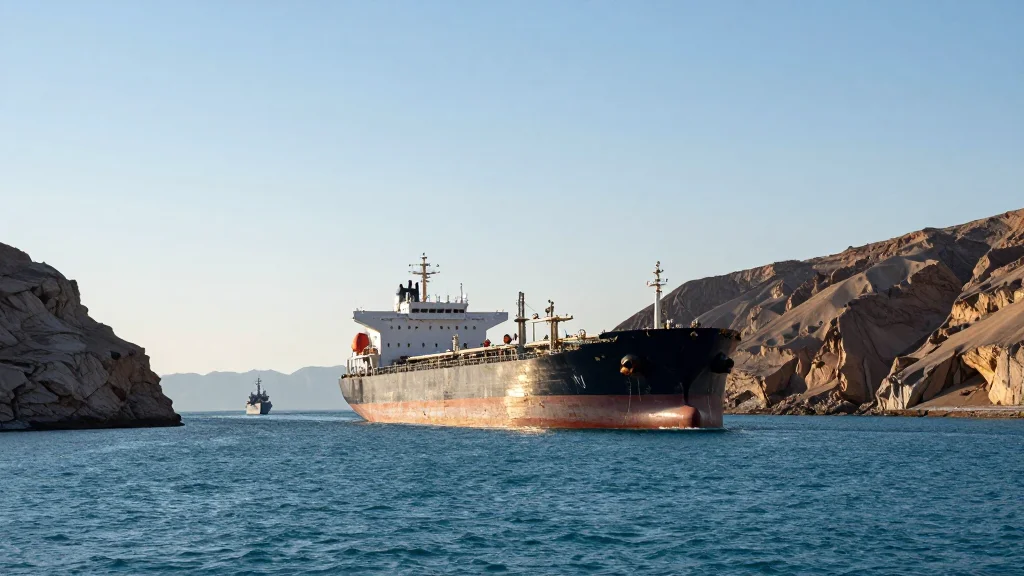
Oil Shipments Rise in Hormuz Although Questions Grow over Iran’s Transit Terms
Why It Matters
The resumption of Hormuz traffic eases immediate supply pressures, yet Iran’s pending fee regime could reshape shipping costs and influence global oil flow stability.
Key Takeaways
- •Four tankers entered Hormuz on June 19, heading to Iraq and Japan
- •June 18 saw 25 commercial crossings, five times early June average
- •Iran may impose transit permits and insurance fees after 60 days
- •Kuwait and Abu Dhabi launched tenders to boost July oil exports
- •U.S. lifted Iranian port blockade, but mines still pose navigation risks
Pulse Analysis
The interim cease‑fire signed between Washington and Tehran on June 19 sparked the first noticeable rebound in oil traffic through the Strait of Hormuz since the conflict erupted. MarineTraffic data recorded at least four tankers crossing the narrow waterway on Friday, while AXS Marine logged 25 commercial transits on June 18 – the highest single‑day figure since mid‑April and roughly five times the early‑June average. Although volumes remain far below the pre‑conflict baseline of about 120 daily crossings, the renewed movement signals that producers are preparing to restart exports amid a tentative diplomatic thaw.
Iran, however, is leveraging the pause to tighten control over the strategic chokepoint. The Persian Gulf Strait Authority announced that any vessel must now obtain a valid passage permit, and it reserves the right to levy insurance fees after a 60‑day grace period. Shipping firms have rejected the notion of tolls on what they consider an international waterway, warning that added costs could reroute cargo to longer, more expensive routes. Meanwhile, the U.S. Navy cautioned mariners about lingering mines and ongoing clearance operations, underscoring persistent safety risks.
The uncertainty surrounding Iran’s transit terms comes as Gulf oil producers scramble to fill the supply gap. Kuwait Petroleum Corp and Abu Dhabi National Oil Company have issued July tenders, indicating a willingness to lift force majeure and boost output. A flotilla of ten Iranian‑flagged supertankers, carrying roughly 20 million barrels, is already heading toward Asian refineries, suggesting that Tehran will continue to monetize its reserves regardless of fee disputes. Market participants will watch how quickly the Hormuz corridor normalizes, as any prolonged bottleneck could tighten global crude prices and reshape trade flows.
Oil shipments rise in Hormuz although questions grow over Iran’s transit terms
Comments
Want to join the conversation?
Loading comments...