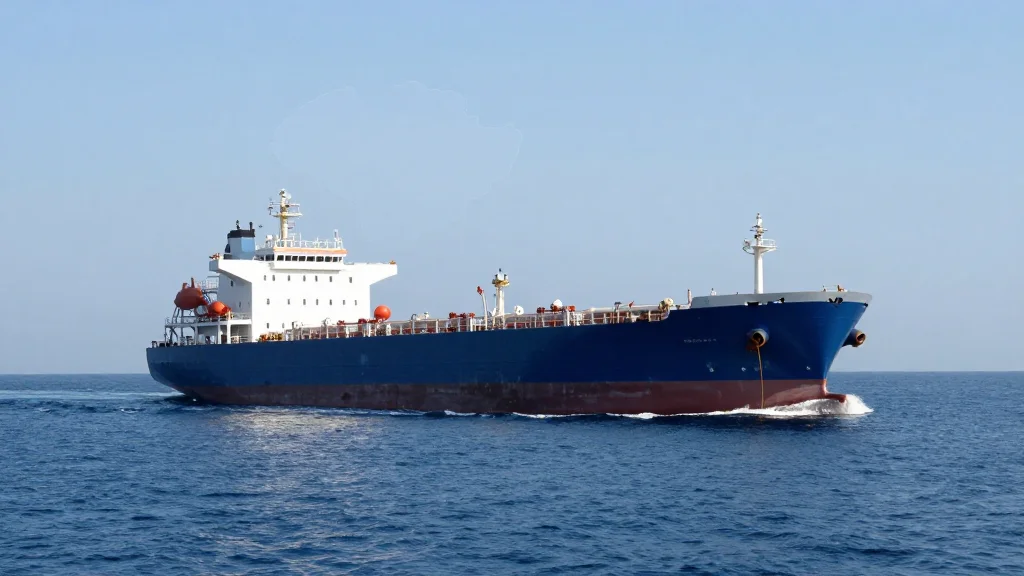
Okeanis Weighs up How VLCC Owners Can Tackle Gulf Gridlock
Why It Matters
The approach directly impacts global oil logistics, influencing freight pricing and supply‑chain stability. Successful navigation of Gulf gridlock could set a benchmark for other VLCC owners facing geopolitical disruptions.
Key Takeaways
- •Okeanis aims to keep VLCCs on spot routes while staying Gulf‑ready
- •Strait of Hormuz closure pushes carriers to longer, costlier detours
- •Flexible charter contracts mitigate revenue loss during gridlock
- •Re‑entry could trigger sharp freight‑rate spikes from Gulf terminals
- •Environmental compliance adds operational complexity for VLCC operators
Pulse Analysis
The Strait of Hormuz has long been the chokepoint for crude shipments from the Middle East, and its closure has forced the industry into an unprecedented gridlock. VLCCs, which typically haul 2 million barrels per voyage, now face detours around the Cape of Good Hope, adding up to 15,000 nautical miles and roughly $1 million in extra fuel costs per trip. This shift not only inflates operating expenses but also raises carbon emissions, putting pressure on owners to meet tightening environmental standards while maintaining profitability.
Okeanis Eco Tankers’ response hinges on operational flexibility. By keeping its fleet on spot charters and maintaining a pool of vessels ready for Gulf re‑entry, the company can capture higher spot rates that emerge when demand rebounds. Flexible contracts allow the firm to shift vessels to alternative markets—such as the Atlantic or Asian basins—without locking them into long‑term agreements that could become unprofitable if the gridlock persists. Simultaneously, the firm invests in fuel‑efficiency upgrades and low‑sulfur scrubbers to offset the environmental penalties of longer routes, aligning with IMO 2020 and upcoming decarbonisation mandates.
If the Hormuz corridor reopens, the pent‑up cargo volume is likely to trigger a sharp surge in freight rates, rewarding owners who kept capacity on standby. Analysts project a potential 30‑40% rate premium for Gulf‑bound VLCCs in the first quarter after reopening. Okeanis’ strategy therefore serves as a template for the broader tanker sector: balance short‑term revenue generation with strategic positioning to seize premium earnings when geopolitical tensions ease. This dual‑track approach could reshape chartering dynamics and set new standards for risk management in the volatile oil transport market.
Okeanis weighs up how VLCC owners can tackle Gulf gridlock
Comments
Want to join the conversation?
Loading comments...