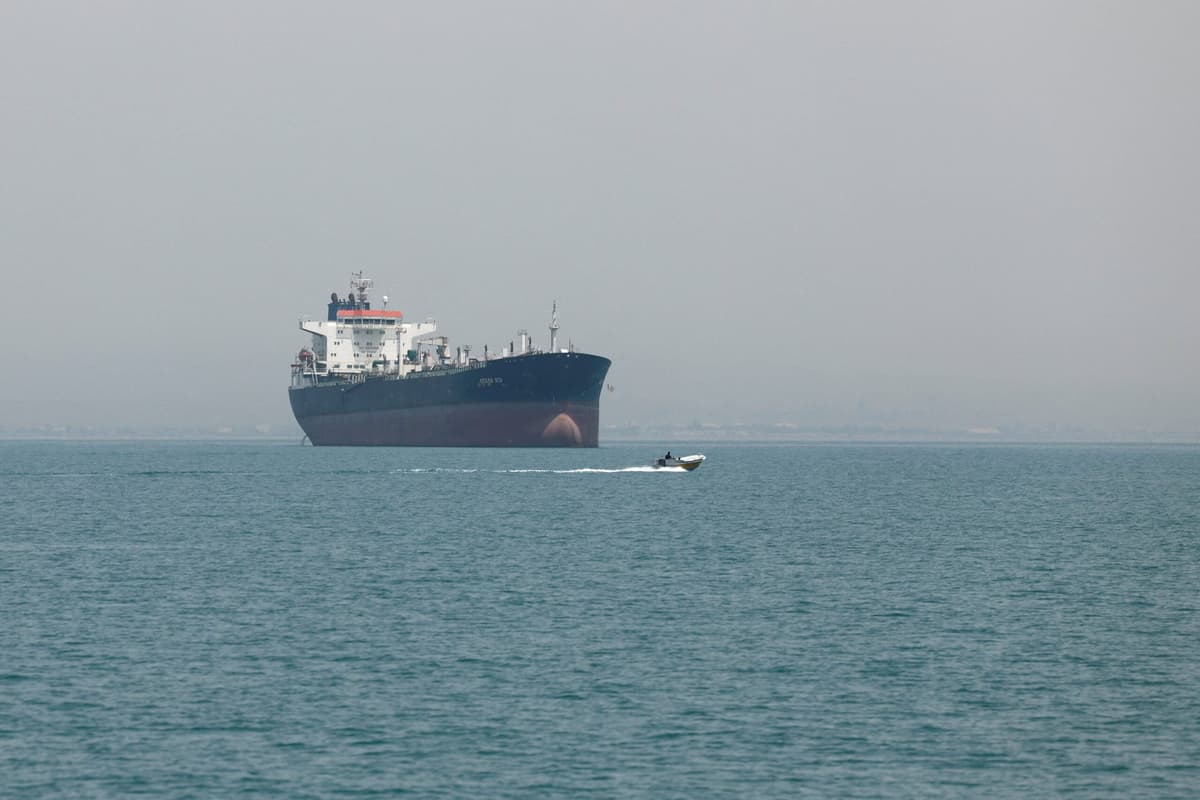
Oman Warns of Suspected Floating Mine in Hormuz, Reinforcing Shipping Industry Fears
Why It Matters
The suspected mine reignites doubts about the safety of Hormuz, a chokepoint that moves roughly 20% of global oil, potentially delaying the return of full shipping volumes and affecting energy markets.
Key Takeaways
- •Oman issued navigation warning for suspected floating mine in Hormuz.
- •Mine threat persists despite ceasefire talks, hindering shipping confidence.
- •Industry groups demand verified clearance before normal traffic resumes.
- •U.S. mine‑countermeasure ops ongoing; full clearance may take months.
- •Floating mines, drones, and electronic threats compound navigation risks.
Pulse Analysis
The Strait of Hormuz remains one of the world’s most strategic maritime corridors, funneling an estimated $300 billion of oil and liquefied natural gas each month. Even after the recent ceasefire, the region’s security calculus is dominated by the lingering spectre of naval mines, a legacy of the broader Red Sea‑Gulf conflict. Mines can lie dormant for years, and their detection is technically demanding, especially in the narrow, high‑traffic lanes of Hormuz where commercial vessels, fishing boats, and military ships intersect.
Oman’s Maritime Security Centre’s warning on a suspected floating mine highlights the practical challenges of ensuring safe passage. The advisory, issued without confirming the object’s nature, mirrors earlier industry alerts that warned of “errant mines” and unexploded ordnance. U.S. Defense Secretary Pete Hegseth has affirmed that mine‑countermeasure missions are active, yet experts caution that a comprehensive sweep could extend for months. Shipping bodies such as BIMCO and the International Association of Ports and Harbours stress that shipowners will only resume regular schedules once independent verification of a cleared waterway is available.
For global trade, the implications are significant. Persistent mine threats keep freight rates elevated and may prompt rerouting around the Cape of Good Hope, adding weeks and costs to supply chains. Energy markets react swiftly to any perceived disruption, with oil benchmarks spiking on reports of heightened risk. Consequently, insurers are tightening clauses, and vessel operators are investing in advanced sonar and AIS spoof‑detection technologies. The path to normalcy in Hormuz hinges not merely on diplomatic agreements but on demonstrable, verifiable safety measures that can restore confidence among shippers, investors, and regulators alike.
Oman Warns of Suspected Floating Mine in Hormuz, Reinforcing Shipping Industry Fears
Comments
Want to join the conversation?
Loading comments...