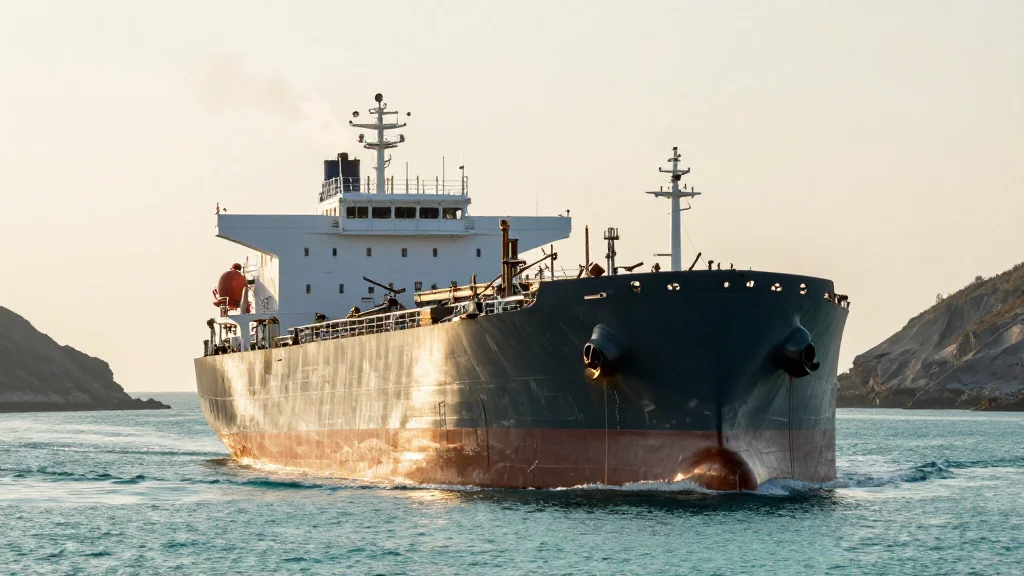
Ongoing Hormuz Closure Could Expand Bunker Wait Times Globally: Analyst
Why It Matters
Extended Hormuz closure forces the shipping industry to absorb longer bunker wait times and higher fuel costs, reshaping global trade routes and pricing dynamics.
Key Takeaways
- •Hormuz shutdown extends bunker lead times to 14 days globally
- •Singapore and Japan report up to 15‑day fuel wait periods
- •Mauritius emerges as key refueling hub via Cape of Good Hope
- •Low‑sulfur fuel oil price floor likely solidifies worldwide
Pulse Analysis
The Strait of Hormuz has long been the artery for Persian Gulf bunker fuel, feeding the massive demand of Asian fleets. When the waterway was sealed off after the Feb. 28 conflict, S&P Global flagged a cascade of supply constraints that now ripple through the entire maritime fuel market. With Persian Gulf exports stalled, Asian bunkering centers—particularly Singapore and major Japanese ports—are grappling with unprecedented queues, pushing lead times from the usual few days to as much as 15 days. This bottleneck not only delays vessel schedules but also forces charterers to reassess voyage planning and inventory strategies.
Shipping lines are responding by rerouting vessels around the Cape of Good Hope, a longer but now more viable passage. Ports along this alternative corridor, especially Mauritius, are witnessing a surge in demand as they become essential pit stops for long‑haul voyages. The shift reshapes traditional trade lanes, inflates operational costs, and adds complexity to logistics chains that rely on just‑in‑time fuel deliveries. Moreover, the scarcity of low‑sulfur fuel oil is driving prices upward, establishing a de‑facto floor that could persist even after Hormuz reopens, influencing bunker contracts and hedging practices.
For the broader industry, the prolonged Hormuz closure underscores the strategic vulnerability of relying on a single chokepoint for critical energy supplies. Ship owners may accelerate investments in dual‑fuel vessels or alternative bunkering sources to mitigate future disruptions. Meanwhile, regulators and port authorities are likely to tighten monitoring of fuel quality and pricing to prevent market distortions. As the situation evolves, stakeholders must balance the immediate cost pressures against longer‑term resilience planning, making the current fuel‑supply shock a pivotal moment for maritime economics.
Ongoing Hormuz closure could expand bunker wait times globally: analyst
Comments
Want to join the conversation?
Loading comments...