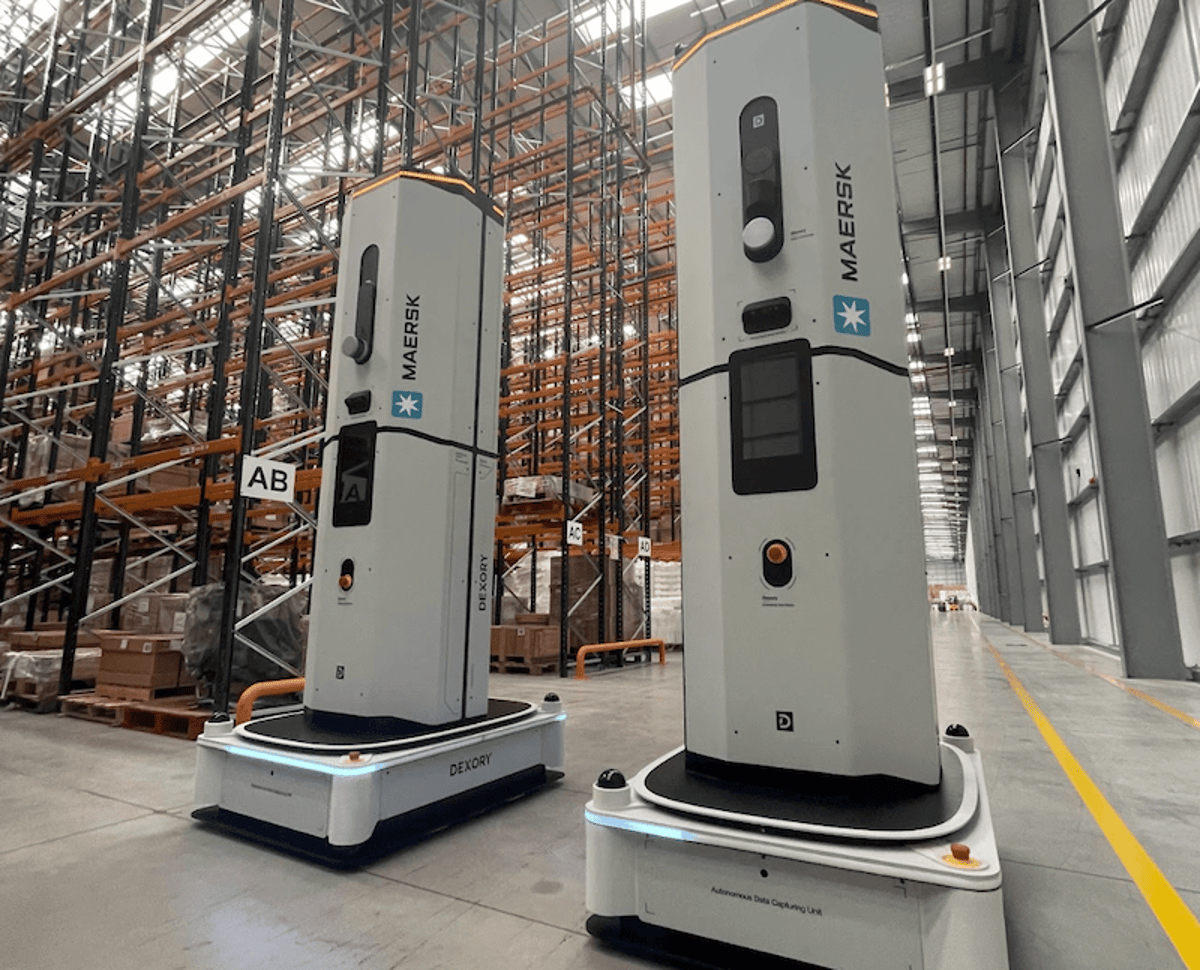
Opinion: Autonomy Is Reshaping Logistics, but Its Real Value Lies in Better Decision-Making


Why It Matters
Autonomous decision‑making reduces reliance on scarce labor, cuts operational costs and improves fulfillment accuracy—critical advantages in today’s tight‑margin, volatile supply‑chain environment.
Key Takeaways
- •Warehouse automation growth >10% annually, per McKinsey.
- •Gartner predicts 50% of new warehouses will be human‑optional by 2030.
- •Digital twins provide real‑time inventory visibility, cutting inefficiencies.
- •Autonomous robots scale operations without proportional labor increase.
- •Autonomy shifts workers to oversight and exception management, boosting safety.
Pulse Analysis
Labor shortages and escalating operating expenses have forced logistics operators to rethink traditional warehouse models. While automation has risen at a double‑digit pace, the next evolution—autonomy—adds a data‑centric layer that captures, analyses, and acts on information in real time. Technologies such as digital twins create virtual replicas of physical spaces, delivering continuous inventory snapshots that eliminate the lag of periodic stock checks. This heightened visibility not only trims mis‑picks and excess safety stock but also equips managers with the insight needed to reconfigure layouts on the fly.
The real value of autonomy lies in its ability to close the loop between insight and action. When AI‑driven analytics detect a congestion hotspot or a misplaced pallet, the system can instantly reroute autonomous mobile robots or alert human supervisors for rapid intervention. This proactive approach reduces downtime, improves order‑fulfilment accuracy, and enhances workplace safety by limiting manual handling of heavy items. Moreover, autonomous robots are inherently flexible; they can operate within existing infrastructure, allowing firms to expand capacity without the costly overhaul associated with fixed automation lines.
Strategically, autonomous warehouses become a differentiator in a market defined by volatility and thin margins. By integrating real‑time data streams with human expertise, firms achieve a more resilient operating model that can absorb demand spikes and supply‑chain disruptions. Investors and senior executives should view autonomy not as a replacement for labor but as an enabler of higher‑value tasks—oversight, exception management and continuous improvement—thereby driving long‑term productivity gains and safeguarding against future talent shortages.
Opinion: Autonomy is reshaping logistics, but its real value lies in better decision-making
Comments
Want to join the conversation?
Loading comments...