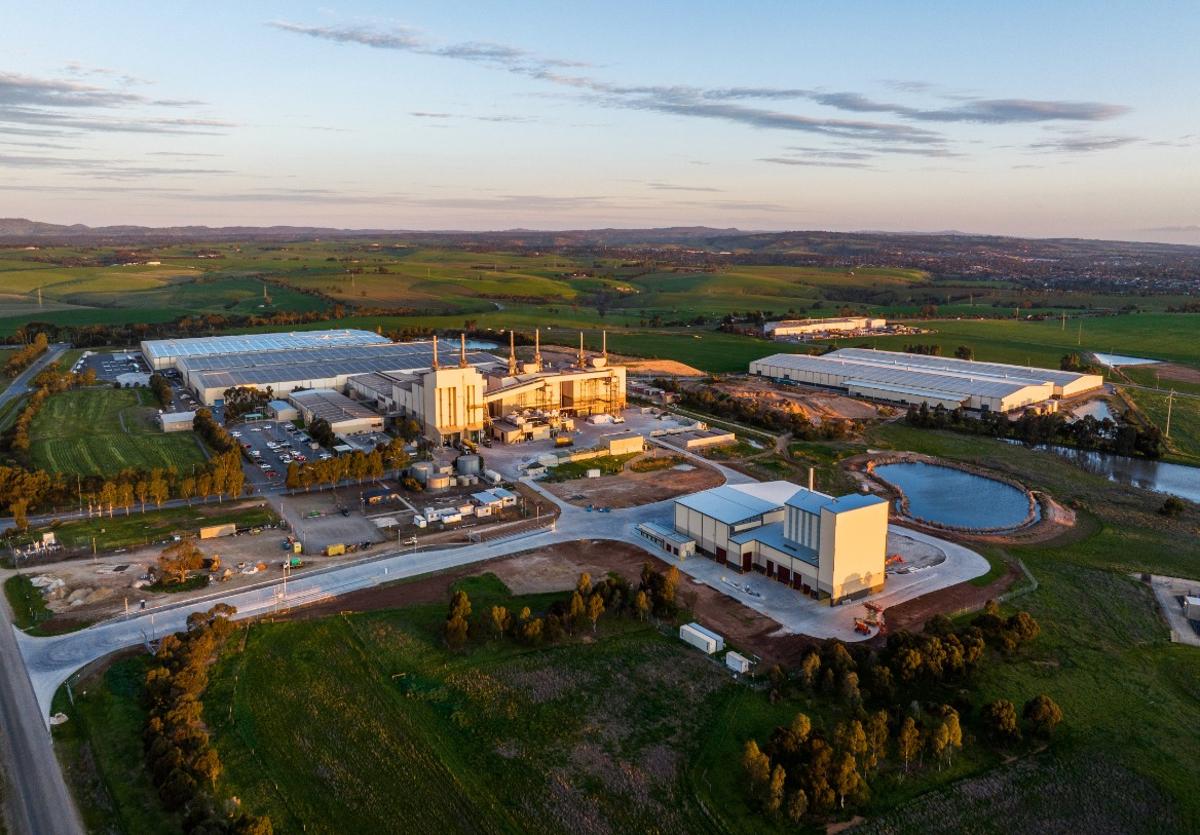
Orora Reports First Year of Reduced Emissions at Gawler Glass Manufacturing Site
•March 10, 2026
0
Why It Matters
The results prove that oxy‑fuel technology can decarbonise energy‑intensive glass production at commercial scale, offering a replicable pathway for Australian manufacturers seeking to meet tightening climate regulations. It also demonstrates the value of public‑private investment in low‑carbon industrial upgrades.
Key Takeaways
- •Natural gas consumption reduced 32% via oxyfuel technology
- •CO2 emissions cut over 13,000 tonnes in first year
- •NOx emissions dropped more than 70% compared to prior furnace
- •Recycled glass usage increased 30%, achieving 90% recycled content peak
- •Total annual CO2 savings exceed 27,000 tonnes
Pulse Analysis
The glass sector has long been one of the most energy‑intensive segments of manufacturing, relying heavily on natural‑gas‑fired furnaces that emit large quantities of carbon dioxide and nitrogen oxides. Orora’s G3 furnace replaces a conventional air‑fuel design with an oxy‑fuel system that removes nitrogen from the combustion mix, allowing higher flame temperatures and greater thermal efficiency. In its first twelve months, the facility has reduced natural‑gas consumption by 32% and cut CO₂ emissions by more than 13,000 tonnes, while NOx output fell by over 70%. These figures illustrate how advanced combustion technology can deliver immediate emissions reductions without sacrificing output.
The project was underpinned by a $12.5 million grant from the Australian Government’s Modern Manufacturing Initiative, highlighting the role of public funding in accelerating low‑carbon transitions. Coupled with a 30% increase in recycled‑glass feedstock, the furnace now operates at up to 90% recycled content during peak periods, translating into an additional 14,000 tonnes of CO₂ savings and supporting the circular economy. By nearly doubling electric boosting capacity, Orora also lessens its reliance on fossil fuels, positioning the Gawler plant as a benchmark for sustainable glass production in the region.
Looking ahead, Orora aims to slash emissions intensity per tonne of glass by 60% and raise post‑consumer recycled content in coloured glass to 68% by FY35. If replicated across other facilities, oxy‑fuel technology could reshape the emissions profile of the broader Australian manufacturing landscape and help the sector meet national net‑zero targets. The success of the Gawler upgrade sends a clear signal to investors and policymakers that scalable, technology‑driven decarbonisation is achievable, encouraging further capital allocation toward similar upgrades worldwide.
Orora reports first year of reduced emissions at Gawler glass manufacturing site
0
Comments
Want to join the conversation?
Loading comments...