Pacific Nations Launch Regional Shipping Body to Modernise Island Fleets
Why It Matters
PBSP creates a regional institution that can lower costly, emissions‑intensive shipping, strengthen connectivity, and spur economic growth for remote Pacific communities.
Key Takeaways
- •Seven Pacific nations signed PBSP charter, Palau and Tonga pending
- •PBSP headquartered in Majuro; Marshall Islands transport minister Hilton Kendall chair
- •Goal: replace aging vessels with low‑carbon, wind‑propelled fleet
- •Green Climate Fund application will fund demonstration fleet and training
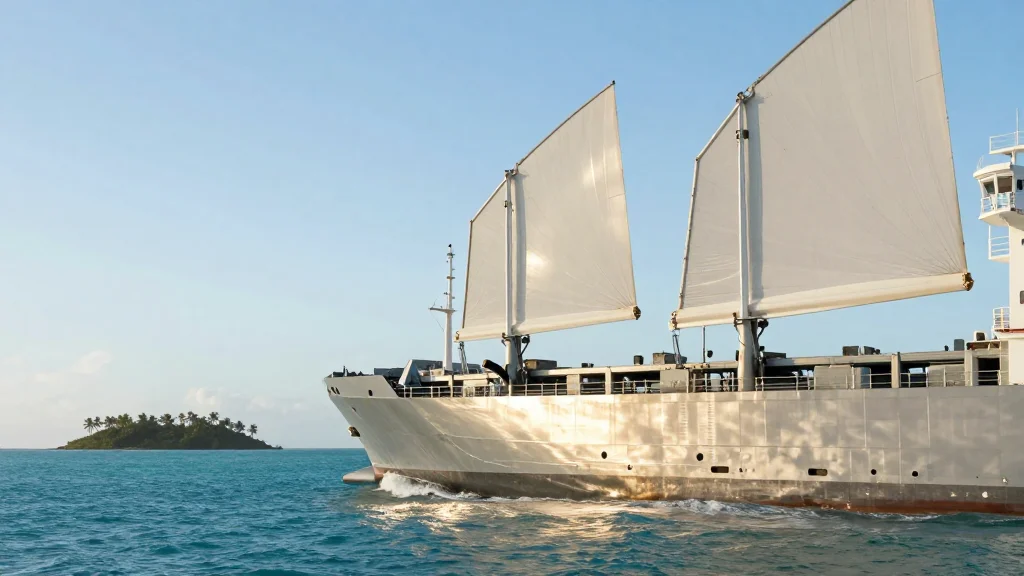
- •Initiative builds on Juren Ae sailing cargo vessel for remote atolls
Pulse Analysis
The Pacific’s dispersed geography makes maritime transport a lifeline, yet many island routes rely on vessels that are decades old, fuel‑inefficient, and costly to operate. High maintenance expenses and limited capacity have driven up freight rates, constraining trade, tourism, and essential supplies for remote communities. By confronting these systemic issues, the region can improve resilience against climate shocks and reduce dependence on imported fuel, laying groundwork for broader economic diversification.
The Pacific Blue Shipping Partnership marks the first formal, multilateral effort to overhaul domestic shipping across the South Pacific. With Marshall Islands transport minister Hilton Kendall as chair, PBSP will coordinate policy, pool resources, and attract international financing. A cornerstone of its agenda is a Green Climate Fund proposal to launch a demonstration fleet of wind‑propelled cargo vessels, complemented by regional maintenance hubs and a curriculum for crew upskilling. By leveraging existing projects like the Juren Ae sailing cargo ship, the partnership demonstrates a pragmatic pathway to decarbonise routes that are otherwise too short for conventional green technologies.
Beyond environmental gains, PBSP promises tangible socioeconomic benefits. More reliable, affordable shipping can lower the cost of food, medicine, and construction materials, directly boosting household welfare. The collaborative framework also strengthens diplomatic ties, positioning Pacific nations as a unified voice in global maritime forums such as the International Maritime Organization. If successful, the model could be replicated in other island regions facing similar logistical hurdles, signaling a shift toward sustainable, community‑focused maritime infrastructure worldwide.
Pacific nations launch regional shipping body to modernise island fleets
Comments
Want to join the conversation?
Loading comments...