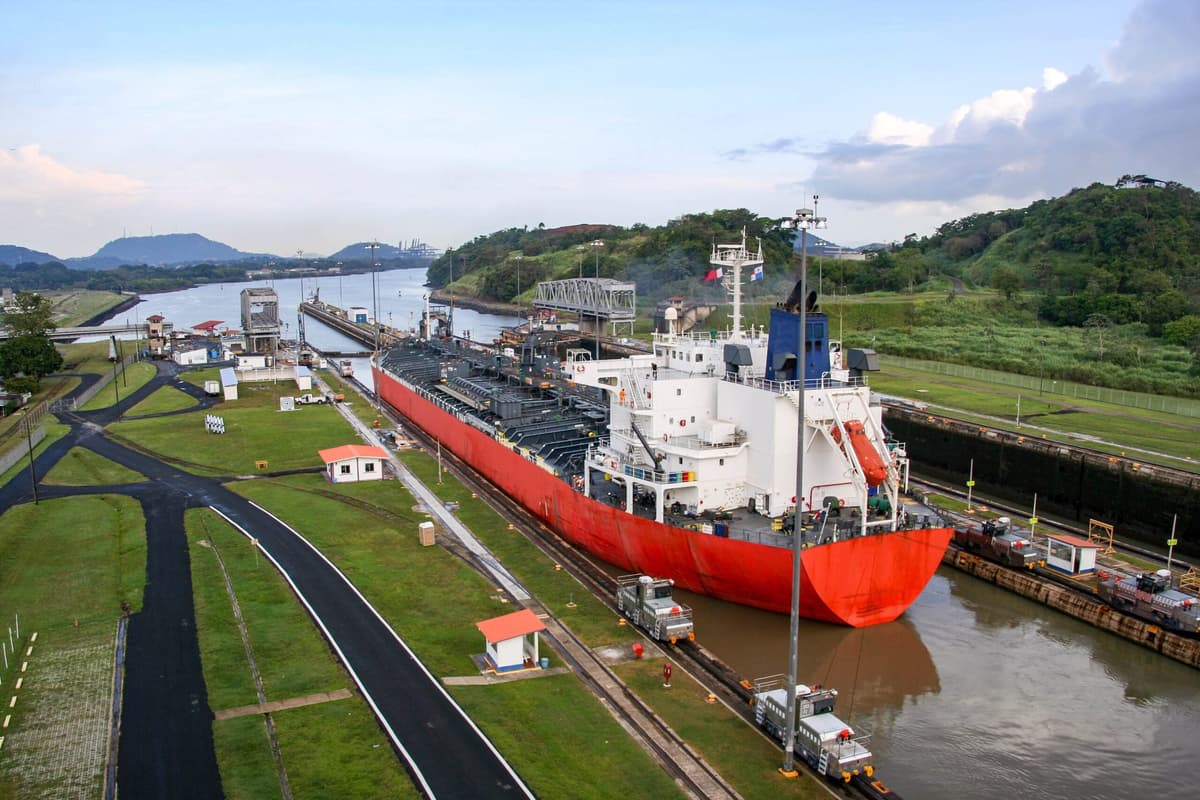
Panama Canal Pushes Back on ‘Line Jumping’ Claims as Auction Slot Prices Surge
Why It Matters
The price escalation and capacity gains signal tightening global energy logistics, forcing shippers to factor higher transit costs and secure slots earlier. The Canal’s reforms reshape competitive dynamics for trans‑Pacific trade routes.
Key Takeaways
- •Auction slot prices jumped from $140k to $385k in early 2024
- •Three to five daily auction slots serve LNG/LPG on short notice
- •Canal capacity rose 15% thanks to ample water and mix management
- •Daily transits reached 40‑41 vessels, exceeding pre‑war levels
- •LoTSA 2.5 adds flexible advance booking for LPG and LNG
Pulse Analysis
The Panama Canal’s auction‑based slot system, introduced after the 2024 drought, has become a barometer for global energy freight demand. As U.S. crude, LNG and petroleum products surge toward Asia, bidders are willing to pay upwards of $1 million for a Neopanamax slot, far above the $135,000‑$140,000 range seen before the conflict. This price inflation reflects not only tighter vessel availability but also the Canal’s shift from a first‑come, first‑served model to a market‑driven allocation, enhancing revenue transparency while compelling shippers to budget for higher transit fees.
Capacity upgrades have played a crucial role in accommodating the traffic surge. With water levels restored, the Canal has increased transit velocity by roughly 15%, allowing more ships to pass each day. The mix‑management strategy—optimizing the balance of container ships, tankers, and bulk carriers—has helped sustain daily transits at 40‑41 vessels, surpassing the pre‑war average of 34. This operational flexibility is expected to persist through the rainy season, provided water supplies remain robust, offering a short‑term buffer against seasonal fluctuations.
Looking ahead, the introduction of LoTSA 2.5 on April 28 marks a strategic pivot toward greater booking flexibility for LNG and LPG markets. By permitting advance reservations and day‑change options, the Canal addresses the volatility that many energy carriers face, reducing port‑stay times and enhancing voyage efficiency. For the broader shipping industry, these reforms underscore the Canal’s growing influence on Pacific trade routes, prompting carriers to integrate slot‑auction dynamics into route planning and cost modeling to stay competitive.
Panama Canal Pushes Back on ‘Line Jumping’ Claims as Auction Slot Prices Surge
Comments
Want to join the conversation?
Loading comments...