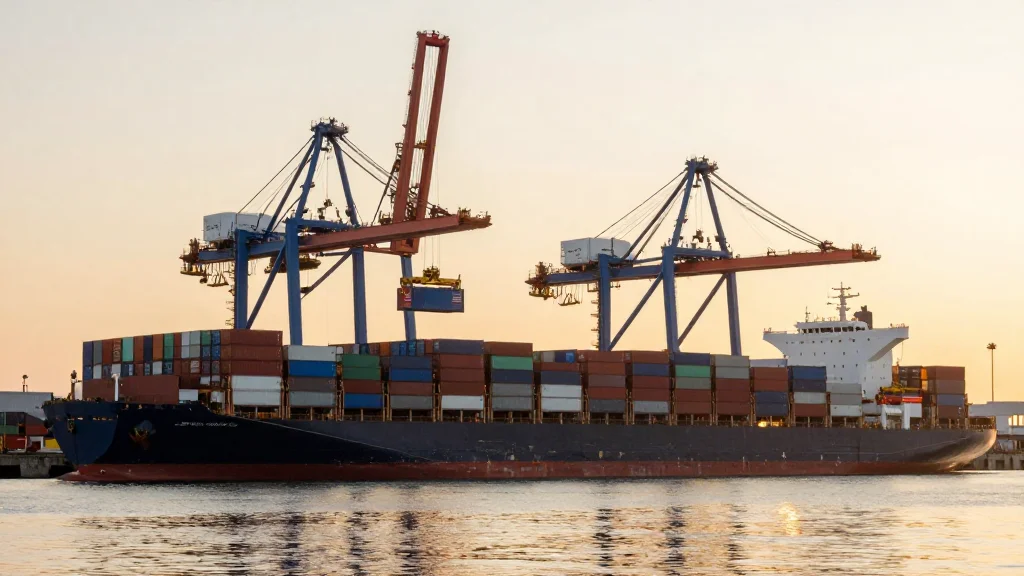
Panama Container Terminal Bidding Stacked Against U.S. Companies: Source
Why It Matters
Control of Panama’s Canal terminals and Brazil’s Santos port will shape trade routes, freight costs, and the competitive position of U.S. shipping firms in the Americas.
Key Takeaways
- •Panama invalidated CK Hutchison's concessions, seized terminal control
- •Maersk's APM given temporary rights while new concessions process starts
- •U.S. firms face evaluation criteria that favor non‑American bidders
- •Similar exclusion tactics appear in Brazil’s $1.2 bn Santos terminal project
Pulse Analysis
The Panama Canal remains the linchpin of global container traffic, linking Asia with the Americas through the Pacific and Atlantic gateways at Balboa and Cristóbal. Earlier this year the Panamanian Supreme Court declared the long‑standing concessions granted to Hong Kong‑based CK Hutchison unconstitutional, effectively stripping the Chinese conglomerate of its operating rights. The government seized the terminals and appointed APM Terminals, a Maersk subsidiary, as interim operator while it prepares a fresh concessions round. This abrupt legal reversal underscores the canal’s strategic sensitivity and the political calculus that now drives terminal ownership.
The upcoming bidding round has attracted a who’s‑who of global terminal operators, including DP World, PSA International, Mediterranean Shipping Company’s Terminal Investments, and the Philippines‑based International Container Terminal Services. However, a source familiar with the process warned that the evaluation criteria are calibrated to disadvantage U.S. firms such as SSA Marine and Ports America, labeling them “not qualified” despite their willingness to submit proposals. If the assessment truly favors non‑American bidders, it could cement European and Asian dominance at the canal’s transshipment hubs, limiting U.S. carriers’ leverage over routing and pricing.
The same playbook appears to be unfolding in Brazil, where the $1.2 billion, 25‑year Tecon Santos 10 project is being delayed by eligibility disputes that may keep Maersk and other foreign operators ahead of domestic competitors. For U.S. shipping lines, reduced access to two of the Western Hemisphere’s busiest ports threatens supply‑chain resilience and could drive higher freight rates on key trade lanes. Policymakers may need to consider diplomatic engagement or targeted incentives to ensure American terminal operators can compete on a level field, preserving strategic trade interests.
Panama container terminal bidding stacked against U.S. companies: Source
Comments
Want to join the conversation?
Loading comments...