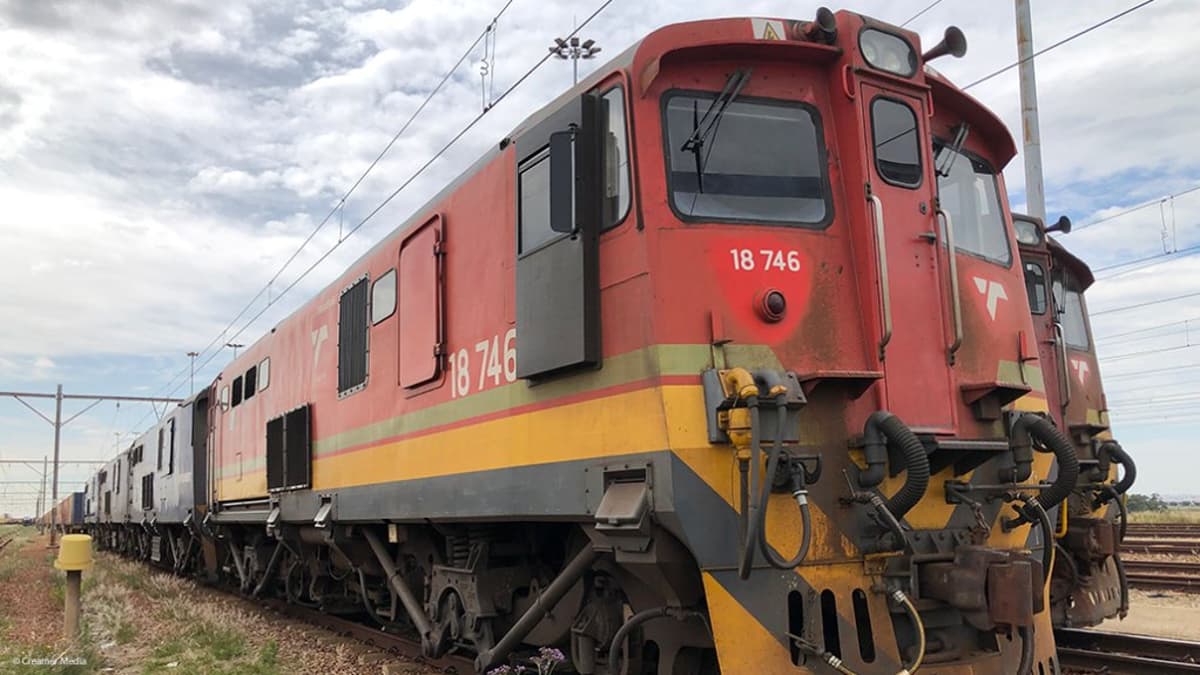
Panellists Discuss the Progress Made in Rail Reform and Possible Future Actions
Why It Matters
Rail reform directly tackles South Africa’s high logistics costs, boosting export competitiveness and supporting the country’s broader economic growth agenda. Effective governance and private capital will determine whether the rail sector can become a catalyst for industrialisation.
Key Takeaways
- •Logistics costs consume 11‑12% of South Africa’s GDP.
- •Draft National Rail Master Plan targets $108 B investment by 2050.
- •Third‑party rail access remains stalled without clear governance reforms.
- •Public‑private hybrid model proposed to separate infrastructure and operations roles.
- •Reform aims to shift rail from cost burden to competitive advantage.
Pulse Analysis
South Africa’s freight logistics landscape is at a tipping point, with rail inefficiencies inflating transport costs to roughly 11‑12% of GDP. These expenses erode export margins and hinder manufacturing competitiveness, prompting policymakers to prioritize structural change. By addressing the systemic bottlenecks in rail infrastructure, the country aims to lower freight rates, rebalance the road‑rail mix, and create a more resilient supply chain that can sustain higher growth rates.
The latest policy thrust comes from Operation Vulindlela and the Draft National Rail Master Plan, a comprehensive blueprint that envisions a $108 billion investment by 2050 to reposition rail as the nation’s logistics backbone. Central to the plan is the establishment of clear governance structures, functional separation of infrastructure ownership from operations, and the introduction of third‑party access. Panelists at the recent Creamer Media webinar stressed that without a robust regulatory framework, private investors remain hesitant, as capital follows certainty rather than the reverse. The proposed hybrid public‑private model seeks to align state oversight with market‑driven efficiency, ensuring that rail assets are managed transparently while operators compete on service quality.
If these reforms materialise, South Africa could convert its rail network from a cost‑center to a competitive advantage, driving down freight expenses and enhancing the country’s position in global commodity markets. Lower logistics costs would improve export profitability for bulk minerals and other goods, stimulate industrial re‑industrialisation, and support the government’s target of sustained 3% GDP growth. The success of the NRMP and accompanying Rail Bill will ultimately hinge on the speed of governance reforms and the ability to attract private capital into a modernised, well‑regulated rail ecosystem.
Panellists discuss the progress made in rail reform and possible future actions
Comments
Want to join the conversation?
Loading comments...