Persian Gulf Bottleneck Tightens Global Container Supply
Companies Mentioned

Why It Matters
Reduced container availability raises freight costs and lengthens supply‑chain lead times, pressuring manufacturers and retailers worldwide.
Key Takeaways
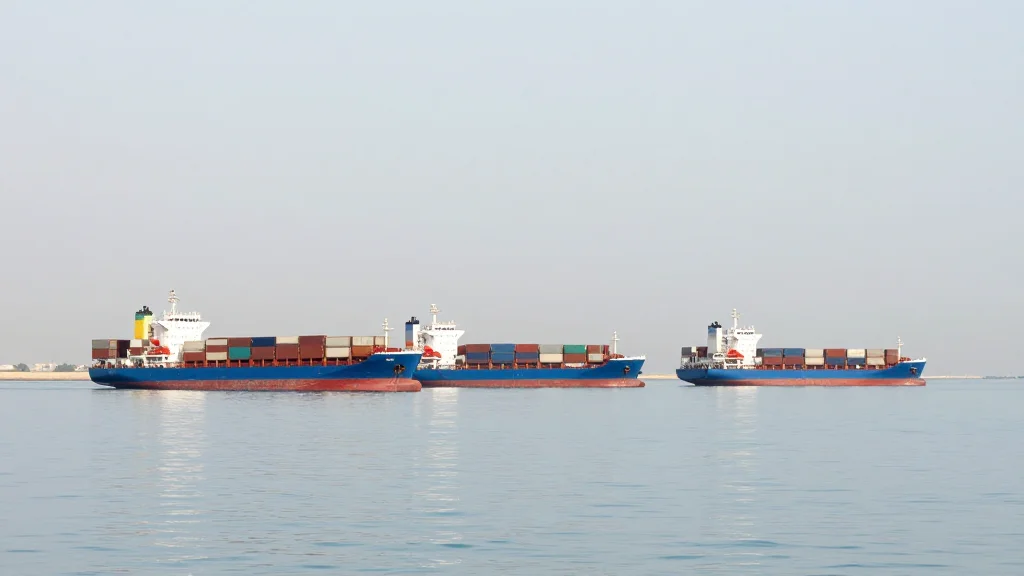
- •72 container ships (219,500 TEU) anchored in Persian Gulf since June 1.
- •Strait of Hormuz closure slows container transits, limiting empty box returns.
- •Ocean carriers consider leasing containers to offset equipment shortage.
- •Shippers may face origin delays through summer as supply lags demand.
- •Port congestion adds pressure on global container supply chain.
Pulse Analysis
The Strait of Hormuz, a chokepoint through which roughly 20% of global oil shipments pass, has become a flashpoint for maritime logistics. Recent geopolitical frictions between the United States and Iran have led to intermittent closures, curbing the flow of container vessels. When a key artery narrows, carriers must reroute or wait, inflating transit times and disrupting the delicate balance of container inventories that keep global trade humming.
S&P Global’s data reveals that more than 70 ships, amounting to 219,500 TEUs, have been stranded or anchored in the Persian Gulf since early June. This surplus of idle capacity translates into a shortage of empty boxes returning to Asia, where manufacturers rely on a steady stream of containers to ship finished goods. To bridge the gap, several major carriers are turning to short‑term leasing arrangements, effectively renting containers to keep cargo moving. While leasing mitigates immediate shortages, it adds a cost layer that is likely to be passed on to shippers and, ultimately, end consumers.
For importers and exporters, the practical impact is a higher probability of origin‑side delays that could stretch into the summer months. Supply‑chain planners must now factor in longer lead times and potentially higher freight rates when negotiating contracts. Companies with flexible inventory strategies or diversified sourcing may weather the slowdown better, but those operating on thin margins could feel the strain. Monitoring the geopolitical climate and port congestion levels will be essential for navigating this evolving bottleneck and preserving the resilience of global trade networks.
Persian Gulf bottleneck tightens global container supply
Comments
Want to join the conversation?
Loading comments...