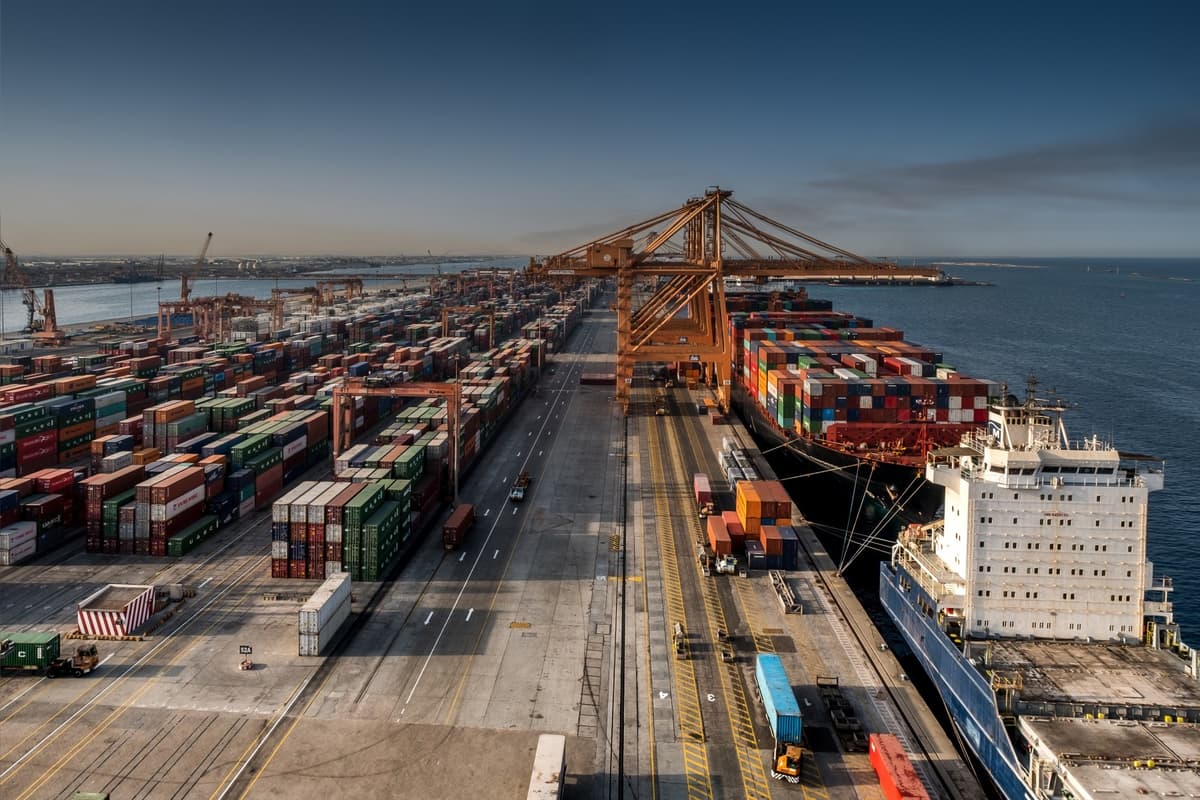
PIL Gets License to Operate in Saudi Ports
•February 24, 2026
0
Why It Matters
The licence brings international expertise into Saudi ports, accelerating competitiveness and reinforcing the kingdom’s strategic position in regional supply chains.
Key Takeaways
- •Mawani grants PIL unified foreign investor license.
- •License aligns Saudi ports with international standards.
- •PIL operates in 29 countries, expanding expertise.
- •Initiative supports Saudi logistics hub strategy.
- •Knowledge transfer expected to boost port efficiency.
Pulse Analysis
Saudi Arabia’s maritime sector is undergoing a rapid transformation, driven by the National Transport and Logistics Strategy that aims to position the kingdom as a pivotal gateway between Europe, Asia, and Africa. Mawani’s decision to issue a unified foreign‑investor licence reflects a broader policy shift toward liberalising port operations and integrating global best practices. By formalising the regulatory framework through Maritime Agency Services guidelines, Saudi authorities are creating a more predictable environment for international partners.
The entry of PIL, a Riyadh‑headquartered operator with a footprint in 29 countries, introduces a wealth of operational know‑how and technology transfer opportunities. PIL’s experience in container handling, terminal automation, and supply‑chain optimisation can help Saudi ports modernise legacy systems, reduce turnaround times, and adopt sustainability standards that meet international benchmarks. This collaboration also signals confidence in Saudi market stability, encouraging other global investors to explore similar partnerships.
In the competitive landscape of Gulf logistics, the PIL licence strengthens Saudi Arabia’s bid to outpace regional rivals such as the UAE and Qatar. Enhanced efficiency and international alignment are expected to attract higher cargo volumes, boost ancillary services, and generate employment. Over the next few years, the synergy between Mawani’s strategic vision and PIL’s operational expertise could reshape trade flows, cementing the kingdom’s role as a critical node in global supply chains.
PIL gets license to operate in Saudi Ports
0
Comments
Want to join the conversation?
Loading comments...