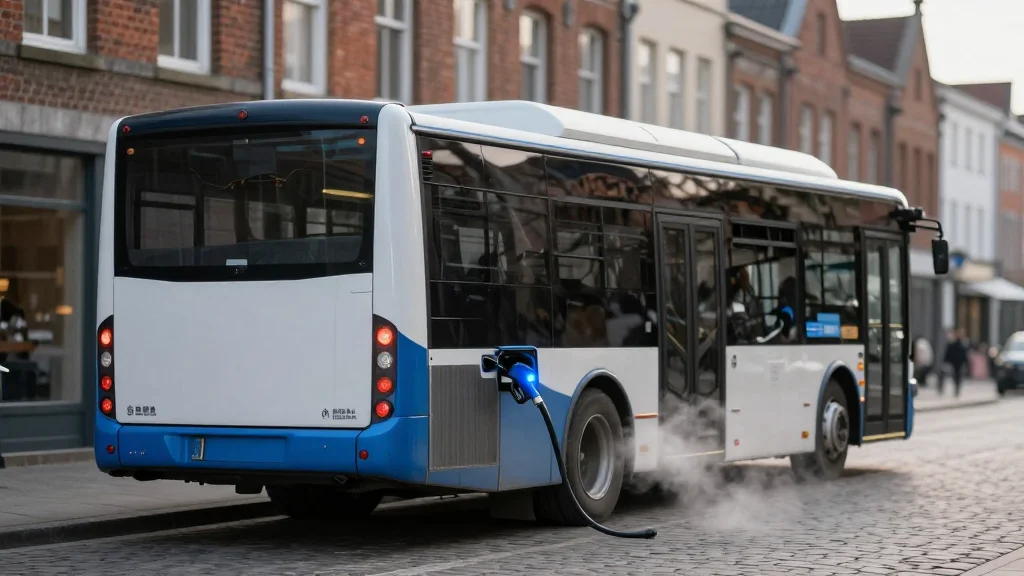
Poland’s Hydrogen Bus Fleet Faces $140 Million Fuel Bill, Sparking Policy Scrutiny

Why It Matters
The Polish hydrogen bus saga underscores the importance of aligning fiscal incentives with lifecycle cost realities. When subsidies mask high operating expenses, municipalities risk unsustainable budget pressures that can jeopardise broader climate goals. Moreover, the episode illustrates how premature scaling of hydrogen infrastructure can strain supply chains that are not yet cost‑competitive, potentially delaying the transition to cleaner mobility across Europe. For the European supply‑chain ecosystem, the case raises questions about the optimal mix of hydrogen and electricity in transport decarbonisation. Investors, equipment manufacturers, and policy makers must weigh the risk of locking in expensive fuel‑cell assets against the rapid cost declines and scaling benefits of battery‑electric technology. The outcome will shape procurement strategies, infrastructure investment, and the competitive dynamics of the low‑carbon transport market for years to come.
Key Takeaways
- •Poland operates 140 hydrogen buses across 12 cities as of April 2026.
- •Fuel costs for the fleet are estimated at $140 million for the first half of 2026.
- •€120.7 million (≈$132 million) in grants and €6.08 million (≈$6.6 million) in loans financed 163 hydrogen buses and stations.
- •Hydrogen bus purchase subsidies cover up to 100% of cost, versus 60‑80% for battery‑electric buses.
- •Per‑kilometre fuel cost for hydrogen is roughly three times higher than for battery‑electric buses.
Pulse Analysis
Poland’s hydrogen bus rollout reflects a classic policy‑driven market distortion: generous capital subsidies created an artificial demand for a technology whose operating economics are not yet competitive. The result is a fleet that, while symbolically advancing a national hydrogen agenda, imposes a heavy recurring cost on municipal budgets. In the short term, this could force cities to re‑evaluate procurement criteria, potentially shifting future orders toward battery‑electric models that offer lower total‑cost‑of‑ownership.
Historically, transport decarbonisation has favoured the path of least resistance—electric buses in Europe have grown from under 1,000 units in 2015 to over 30,000 in 2025, driven by falling battery prices and expanding charging networks. Hydrogen, by contrast, remains a niche with high upfront infrastructure costs and volatile fuel pricing. Poland’s experience may accelerate a broader EU reassessment of hydrogen’s role, nudging policymakers to reserve hydrogen for heavy‑duty or long‑range applications where electrification is less feasible.
Looking ahead, the key question is whether Poland will recalibrate its subsidies to reflect true operating costs or double‑down on hydrogen to achieve industrial policy goals. Either path will have ripple effects: a subsidy shift could free public funds for electric‑bus deployment, while a continued hydrogen focus may spur further investment in domestic electrolyser capacity and storage, albeit at the risk of higher public spending. The outcome will be a bellwether for how European cities balance climate ambition with fiscal prudence in the evolving low‑carbon transport supply chain.
Poland’s Hydrogen Bus Fleet Faces $140 Million Fuel Bill, Sparking Policy Scrutiny
Comments
Want to join the conversation?
Loading comments...