Port of the Future 2026: A Look Back, a Path Forward
•March 4, 2026
0
Why It Matters
By accelerating adoption of advanced technologies and sustainable practices, the conference helps close the efficiency gap between U.S. ports and world‑leading facilities, shaping the future of global maritime logistics.
Key Takeaways
- •Founded 2019, linking ports with academia
- •Emphasizes AI, automation, digitalization
- •Free speaker model invites startups, research labs
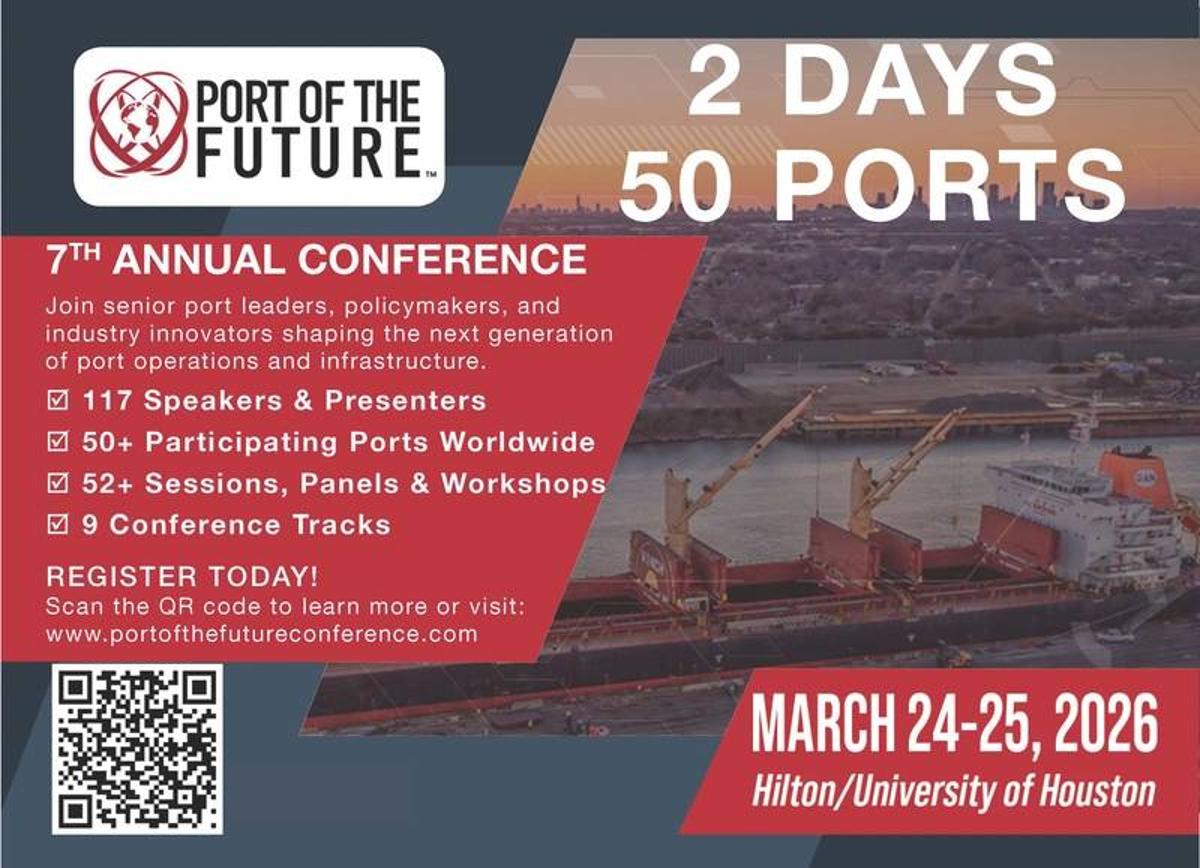
- •Over 60 global port leaders attend annually
- •2026 event scheduled March 23‑25, Houston
Pulse Analysis
The maritime sector faces mounting pressure to modernize as global trade volumes rise and environmental regulations tighten. Events like the Port of the Future Conference serve as crucibles for innovation, gathering engineers, researchers, and decision‑makers to test emerging solutions in a real‑world setting. By aligning university research with operational challenges, the conference accelerates the translation of cutting‑edge port technology—such as autonomous cargo handling systems and AI‑driven traffic management—into commercial deployment.
Sustainability is woven into every track, with dedicated sessions on decarbonization, alternative fuels, and energy efficiency. The shift away from a pay‑to‑speak model has democratized the speaker lineup, allowing agile startups and think tanks to present breakthrough concepts without financial barriers. This inclusive approach enriches dialogue, fostering cross‑industry collaborations that can fast‑track green shipping initiatives and reduce carbon footprints across the supply chain. The global perspective—featuring case studies from the Americas, Europe, Africa, and Asia—ensures attendees gain a holistic view of best practices.
Looking ahead, the 2026 conference promises to deepen its impact by expanding live technology demonstrations and facilitating one‑on‑one engagements between port authorities and solution providers. For senior executives, the event offers a strategic forum to benchmark performance, source talent, and secure partnerships that drive digital transformation. As ports worldwide race to meet climate targets and efficiency benchmarks, the insights and networks cultivated at Port of the Future will be pivotal in shaping resilient, low‑emission maritime infrastructure.
Port of the Future 2026: A Look Back, a Path Forward
0
Comments
Want to join the conversation?
Loading comments...