Port Shortfalls Threaten Philippines' $11 TWh Offshore Wind Pipeline

Why It Matters
Port capacity is the linchpin of the offshore wind supply chain. Without suitable berths and assembly yards, turbine components cannot be delivered, assembled, or installed, turning projected gigawatts of clean power into paper promises. For the Philippines, a country that imports most of its electricity fuel, the delay threatens energy security, price stability, and climate‑target attainment. Moreover, the bottleneck illustrates how infrastructure gaps can stall green‑energy transitions in emerging markets, offering a cautionary tale for other nations racing to scale offshore wind. The issue also has regional ripple effects. Southeast Asian grids are increasingly interlinked, and a delayed Philippine wind rollout could shift regional power‑trade dynamics, keeping fossil‑fuel imports high and limiting the region's collective decarbonization momentum. Addressing the port shortfall now could create a template for coordinated supply‑chain upgrades across the ASEAN bloc.
Key Takeaways
- •Philippines' offshore wind pipeline totals 3.5 GW, targeting 11 TWh annual generation at full build‑out.
- •GWEC study projects San Miguel Bay to reach 1 GW by 2029 and 2 GW by 2031; Guimaras Strait to hit 500 MW by 2030, scaling to 1.5 GW by 2032.
- •Existing ports cannot accommodate the heavy‑lift vessels and large turbine components required for construction.
- •Supply‑chain gaps include limited domestic offshore‑wind workforce and reliance on foreign contractors.
- •Port upgrades are identified as the most urgent investment to unlock the project's timeline and economic viability.
Pulse Analysis
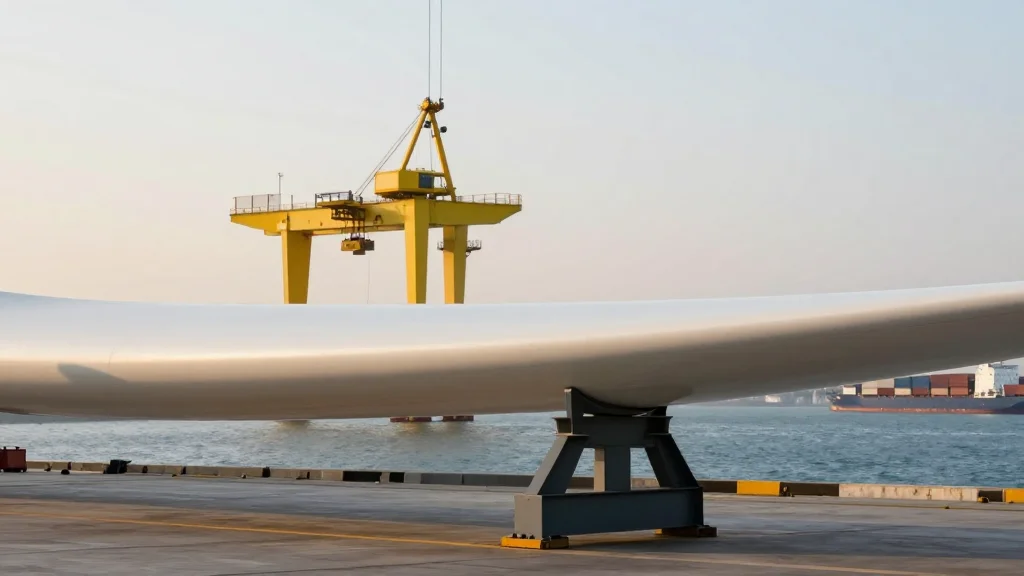
The Philippines' offshore wind ambition sits at the intersection of climate policy, energy security, and supply‑chain engineering. Historically, the country has leaned on imported coal and oil, making electricity prices vulnerable to global market swings. The GWEC pipeline promises a home‑grown, low‑carbon alternative, but the logistics of moving 100‑meter turbine blades from factories to sea is a classic supply‑chain challenge that many emerging markets overlook.
Comparatively, European offshore wind hubs—such as the UK’s Port of Hull or Denmark’s Esbjerg—have spent decades building deep‑water terminals, heavy‑lift cranes, and specialized supply‑chain clusters. Those investments have lowered project costs and accelerated deployment. The Philippines can leapfrog by leveraging public‑private partnerships, using modular port upgrades, and aligning with regional initiatives like the ASEAN Renewable Energy Cooperation. A focused port‑development strategy could also create ancillary jobs, fostering a domestic offshore‑wind workforce and reducing reliance on foreign expertise.
Looking ahead, the timeline pressure is real. If port upgrades are delayed beyond 2025, the 2029‑2032 construction windows could slip, pushing the first turbines into the mid‑2030s. That would not only defer the 11 TWh of clean electricity but also lock the country into another decade of coal‑heavy generation, inflating emissions and debt service on imported fuel. Policymakers must therefore treat port capacity as a strategic asset, not a peripheral infrastructure project, and align financing—potentially through green bonds or development bank loans—with the broader renewable‑energy roadmap. The stakes are high: a successful port upgrade could turn the Philippines into a regional offshore‑wind leader, while inaction risks cementing its fossil‑fuel dependence for years to come.
Port Shortfalls Threaten Philippines' $11 TWh Offshore Wind Pipeline
Comments
Want to join the conversation?
Loading comments...