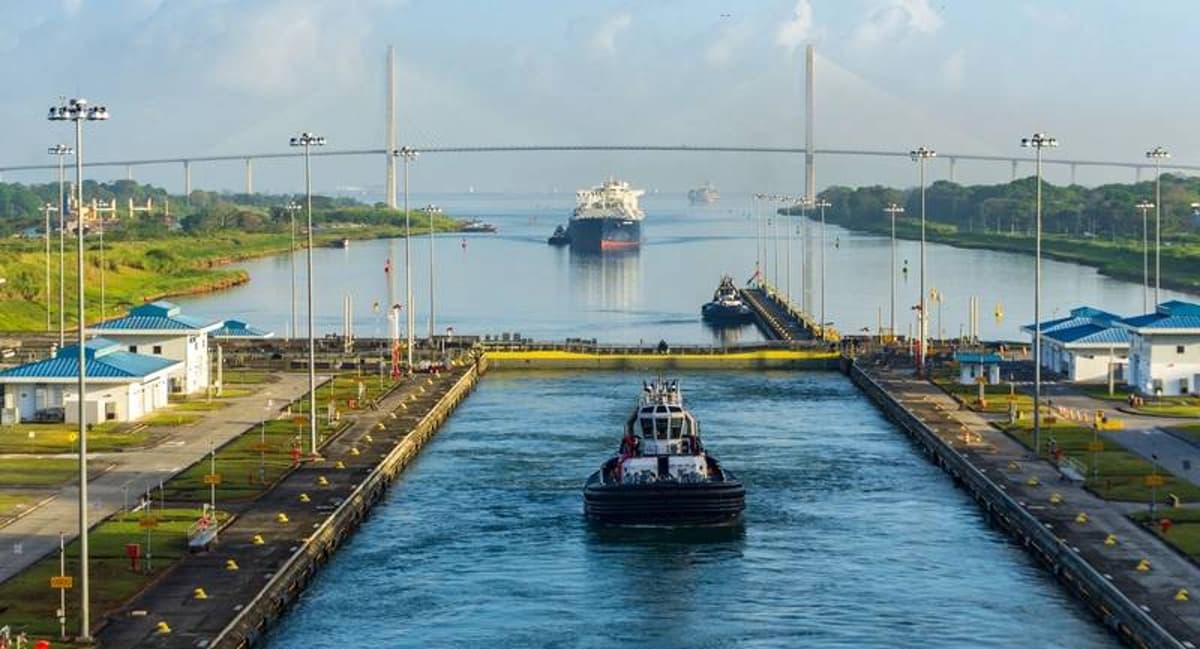
Port Snared in US-China Dispute, Says Panama President
Companies Mentioned
Why It Matters
The clash underscores how U.S.-China rivalry can force strategic chokepoints like the Panama Canal into geopolitical crosshairs, potentially reshaping global shipping routes and sovereign decision‑making for smaller nations.
Key Takeaways
- •Panama seized CK Hutchison ports after court ruling linked to U.S. pressure
- •Maersk APM and MSC now operate the disputed ports temporarily
- •China will pursue arbitration, signaling a diplomatic, not confrontational, approach
- •Panama flags rising detentions of its flag ships in Chinese ports
- •Canal’s 5% trade share makes port control a strategic flashpoint
Pulse Analysis
The Panama Canal, handling roughly five percent of worldwide maritime trade, has long been a barometer of global logistics stability. As the United States and China vie for influence over critical supply chains, the canal’s gateway ports have become symbolic leverage points. Panama’s strategic importance means any shift in port control reverberates through shipping schedules, freight rates, and the broader balance of trade, prompting both powers to monitor developments closely.
In January, Panama’s Supreme Court annulled the concessions held by CK Hutchison’s local arm, Panama Ports Company, a move analysts interpret as a response to U.S. concerns about Chinese footholds near the canal. The decision paved the way for temporary operators APM Terminals, backed by Maersk, and MSC’s TIL Panama to manage cargo flows while the original operator prepares for international arbitration. This legal pathway reflects a nuanced diplomatic dance: China acknowledges the dispute but prefers a court‑based resolution, avoiding a direct diplomatic showdown that could further strain its relationship with Panama.
For Panama, the episode tests its foreign‑policy agility. President Mulino’s emphasis on preserving amicable ties with Beijing, despite the arbitration and rising detentions of Panama‑flagged vessels in Chinese ports, signals a desire to stay neutral amid great‑power tension. Shipping lines watch closely, as prolonged uncertainty could disrupt vessel scheduling and increase insurance premiums. Ultimately, the outcome will influence how smaller nations negotiate sovereignty, economic interests, and external pressure in an era where strategic maritime assets are increasingly weaponized in geopolitical contests.
Port Snared in US-China Dispute, says Panama President
Comments
Want to join the conversation?
Loading comments...