Key Takeaways
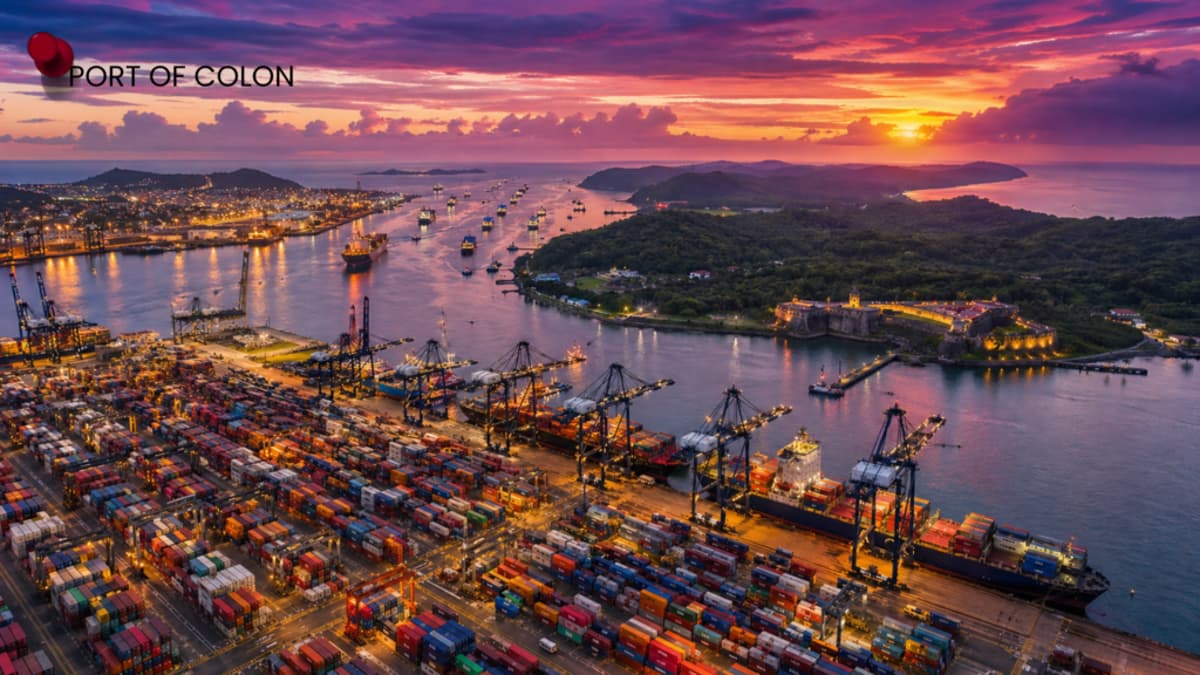
- •Port of Colón handles millions of TEUs annually as a transshipment hub
- •Strategic Atlantic gateway links with Pacific Port of Balboa via Panama Canal
- •Proximity to Colón Free Trade Zone boosts duty‑free commerce
- •Nearby Gatun Locks and Fort San Lorenzo attract tourism and logistics interest
- •Modern terminals accommodate ultra‑large container vessels, accelerating interoceanic trade
Pulse Analysis
Colón’s location at the Atlantic mouth of the Panama Canal makes it a linchpin in the global supply chain. By funneling cargo from Europe and the U.S. East Coast toward the Pacific, the port shortens voyages that would otherwise skirt South America. Its capacity to handle ultra‑large container vessels (ULCVs) aligns with the industry’s shift toward mega‑ships, ensuring that shippers can achieve economies of scale while maintaining tight schedules.
Beyond pure logistics, the Port of Colón fuels regional prosperity through the adjacent Colón Free Trade Zone, one of the world’s largest duty‑free complexes. The zone attracts wholesalers, retailers, and manufacturers seeking tax‑advantaged distribution hubs, amplifying trade volumes that pass through the port. Complementary tourism draws—Gatun Locks, Fort San Lorenzo, and Chagres National Park—create a diversified revenue stream, reinforcing the port’s role as an economic engine for Panama’s Caribbean coast.
Looking ahead, investments in digital terminal operations and green infrastructure are set to enhance efficiency and sustainability. As shipping lines deploy ever‑larger vessels, Colón’s modern terminals and deep‑water berths position it to capture a growing share of interoceanic traffic. Meanwhile, regional competition from Caribbean ports will spur continuous upgrades, ensuring that Colón remains a critical gateway in the evolving landscape of global maritime trade.
PortSide Stories: Colón
Comments
Want to join the conversation?