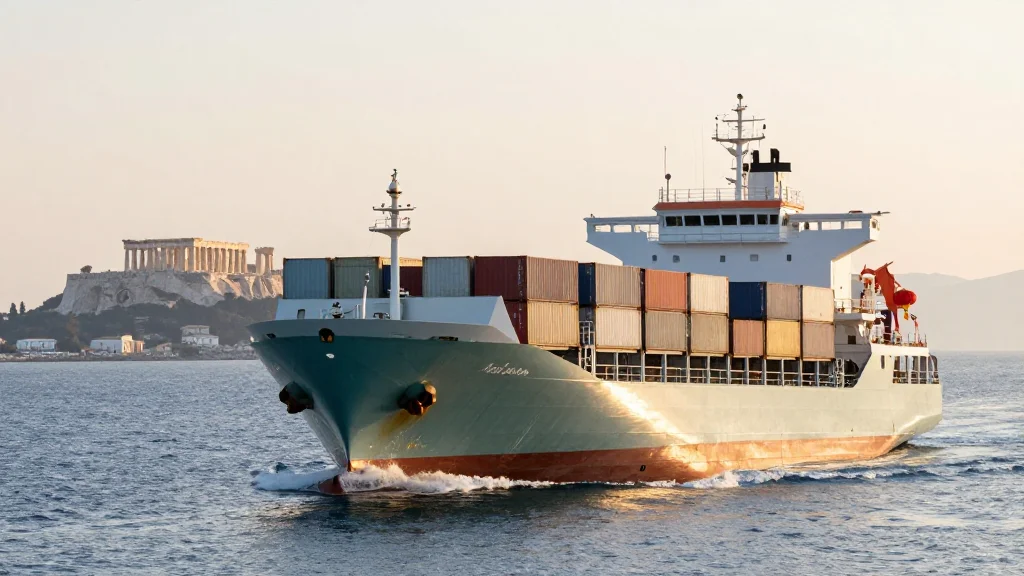
Posidonia China Night Launches New Maritime Finance Hub, Boosting China‑Greece Supply Chain Ties

Why It Matters
The China‑Greece platform directly addresses two of the maritime industry's most pressing challenges: financing the transition to low‑carbon vessels and integrating digital supply‑chain tools across continents. By anchoring Chinese shipbuilding expertise and capital in the Mediterranean, the initiative could accelerate the adoption of greener ship designs, reducing emissions on key Europe‑Asia routes. Moreover, the finance center offers Greek shipowners access to competitive euro‑based funding, potentially reshaping the capital structure of the global shipping fleet. If the collaboration scales as envisioned, it may set a template for other emerging‑market partnerships seeking to blend manufacturing capacity with financial services. The joint focus on green corridors and digitalisation could also influence regulatory standards, prompting the International Maritime Organization and European Union to consider new incentives for vessels financed through such bilateral mechanisms.
Key Takeaways
- •Over 200 Chinese and Greek officials attended Posidonia China Night in Athens.
- •Bank of China (Europe) opened a dedicated Shipping Finance Center to fund green maritime projects.
- •CSSC inaugurated its Greece Representative Office, cementing a direct shipbuilding liaison.
- •Approximately 43% of Greek‑owned ships are now built in Chinese shipyards.
- •Posidonia 2026 attracted more than 2,200 businesses from 83 countries, amplifying the platform’s visibility.
Pulse Analysis
The launch of a Chinese‑backed shipping finance hub in Athens represents a strategic pivot from transactional trade to a more integrated, capital‑intensive maritime ecosystem. Historically, Chinese shipbuilding has relied on price competitiveness; this new financing model adds a layer of financial services that can lock in long‑term contracts and secure market share for Chinese yards. By offering euro‑denominated loans and structured financing, Bank of China reduces currency risk for European shipowners, making Chinese‑built vessels more attractive despite potential geopolitical concerns.
From a supply‑chain perspective, the partnership could shorten lead times for vessel procurement and retrofitting, as financing and technical support are co‑located. This alignment is especially critical as the industry races to meet IMO 2030 and 2050 emission targets. The joint report on green and intelligent shipbuilding signals that China is ready to export not just hulls but also the digital and environmental technologies needed for next‑generation fleets. If Greek ports like Piraeus adopt these technologies, they could become testbeds for autonomous navigation and emissions monitoring, further cementing the Mediterranean’s role as a green shipping corridor.
However, the initiative also raises questions about market concentration and regulatory oversight. European stakeholders may scrutinise the influx of Chinese capital for compliance with EU competition rules and sustainability standards. The success of the finance center will hinge on its ability to navigate these regulatory landscapes while delivering tangible cost savings. In the longer term, the model could inspire similar finance‑shipbuilding clusters in other strategic locations, reshaping the geography of maritime supply‑chain finance.
Posidonia China Night Launches New Maritime Finance Hub, Boosting China‑Greece Supply Chain Ties
Comments
Want to join the conversation?
Loading comments...