Private Investors Pour Millions Into Logistics Real Estate
Companies Mentioned

Why It Matters
The deal underscores the growing appetite of private capital for logistics‑focused assets, especially IOS sites that support e‑commerce and supply‑chain resilience, reshaping capital flows in the industrial real‑estate market.
Key Takeaways
- •Alterra IOS secured $244 million loan from Blackstone for IOS expansion.
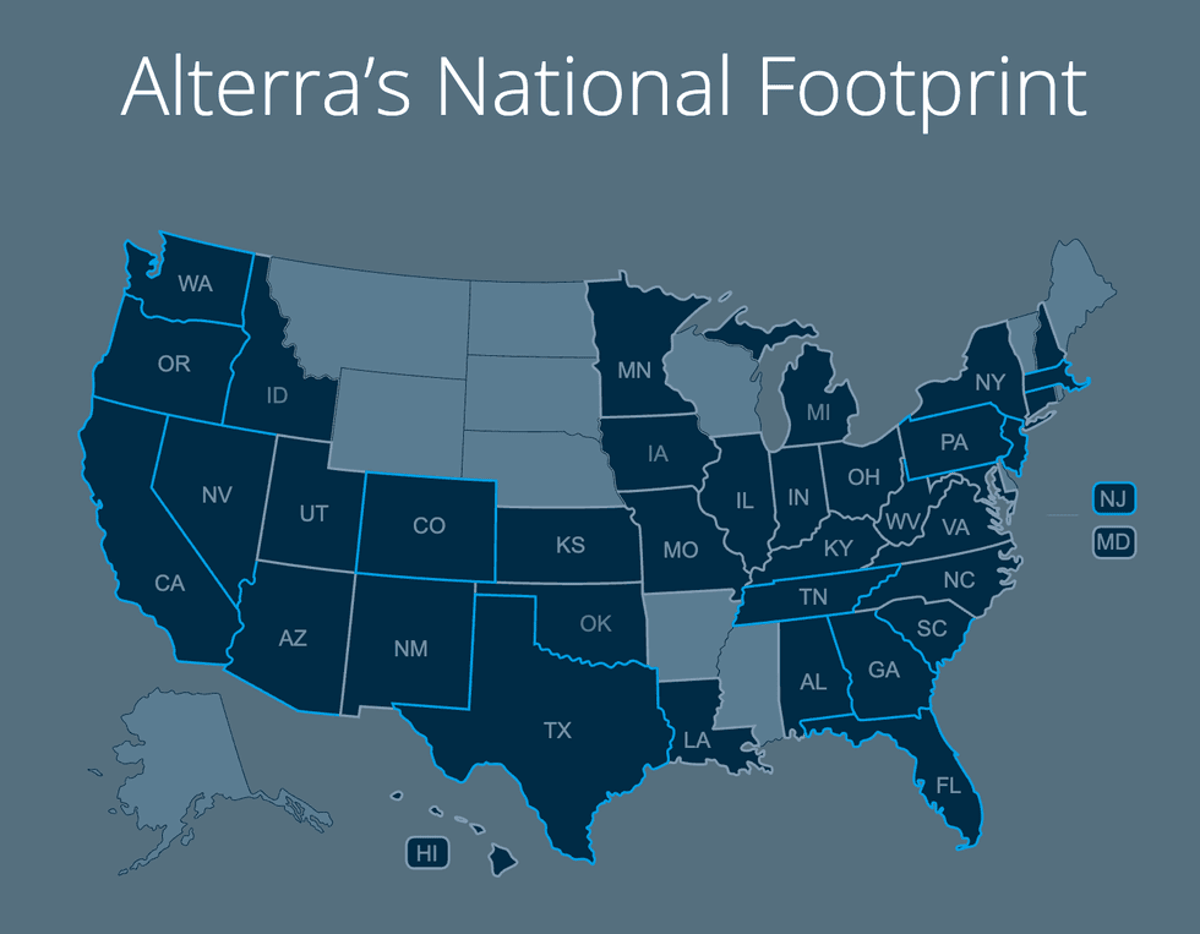
- •Loan backed by 37 IOS sites covering 165 acres and 806k sq ft.
- •Institutional funding in logistics real estate exceeds $1.8 billion this year.
- •IOS properties target dense infill hubs near major transportation corridors.
- •Recent large deals include $1.81 billion BKM/Kayne acquisition and $211 million Morgan Stanley purchase.
Pulse Analysis
The logistics real‑estate sector has entered a period of accelerated growth, driven by e‑commerce expansion, tighter inventory strategies, and the need for resilient supply chains. Investors are gravitating toward industrial outdoor storage (IOS) because it offers flexible, low‑cost yard space that can be quickly reconfigured for a variety of assets, from delivery vans to bulk materials. This niche complements traditional warehouse space, allowing tenants to optimize last‑mile distribution while minimizing overhead, and has become a magnet for institutional capital seeking stable, inflation‑linked returns.
Alterra IOS’s $244 million loan from Blackstone Real Estate Debt Strategies exemplifies the sophisticated financing structures now common in the IOS market. Secured by 37 strategically located sites covering 165 acres and over 800,000 sq ft of warehouse space, the debt facility provides the developer with liquidity to pursue further acquisitions and upgrades without diluting equity. Blackstone’s involvement signals confidence in the asset class’s risk‑adjusted profile, while the loan’s size reflects the scale at which IOS portfolios are being built to meet the demand of carriers and third‑party logistics providers operating in dense, infill corridors.
The broader implication for the industry is a deepening pool of capital that will intensify competition for prime IOS locations, potentially compressing yields but also spurring innovation in property development and management. As more firms replicate Alterra’s model of owning, developing, and operating IOS sites, the market may see increased standardization of lease terms and technology integration, such as real‑time yard monitoring. For investors, the trend offers a compelling avenue to capture upside from the ongoing shift toward omnichannel fulfillment, provided they navigate geographic concentration risks and the evolving regulatory landscape governing industrial land use.
Private investors pour millions into logistics real estate
Comments
Want to join the conversation?
Loading comments...