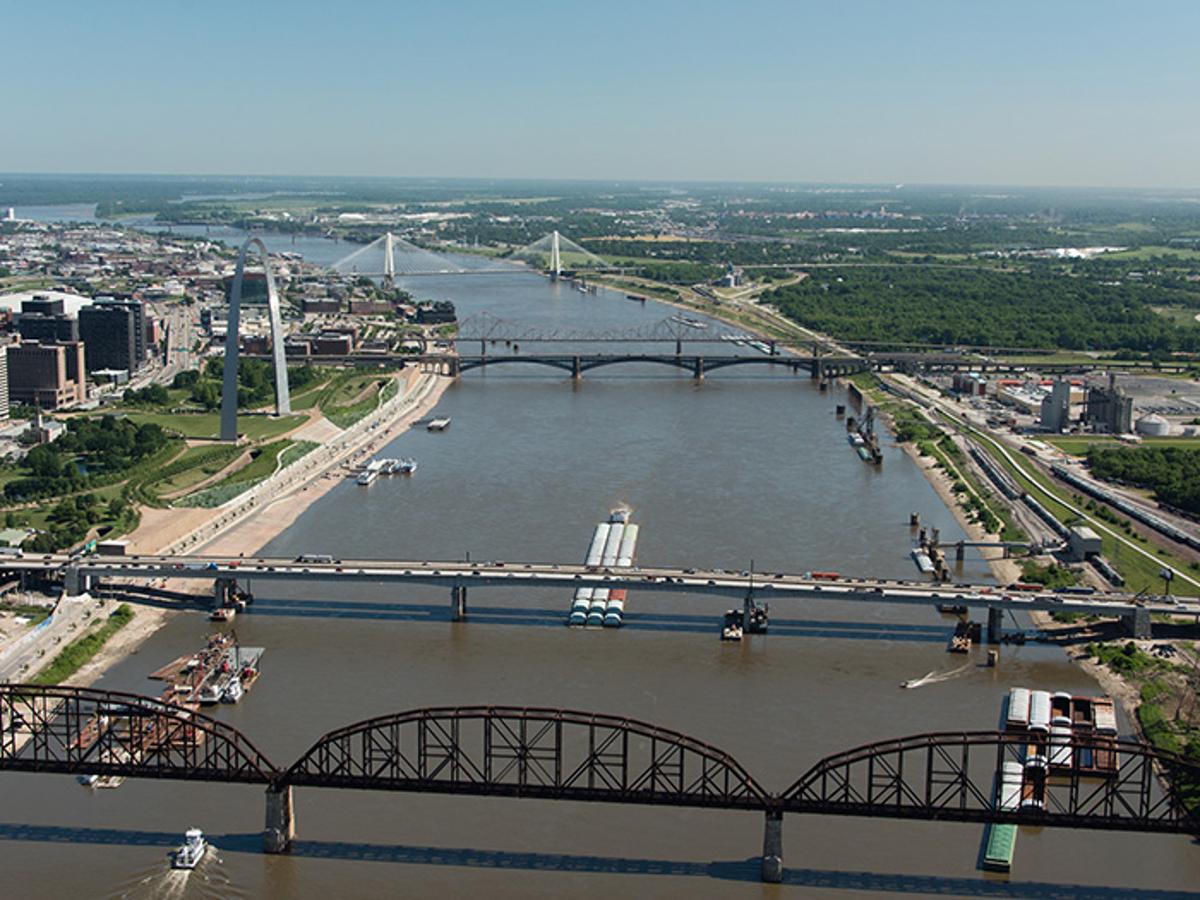
Public, Private Sector Collaboration Keep Freight Moving on Inland Waterways
Why It Matters
The partnership directly impacts supply‑chain reliability for U.S. inland freight, influencing commodity costs and regional economic competitiveness.
Key Takeaways
- •ACBL operates 3,200 barges; 70% transit St. Louis region.
- •Corps manages 300 miles of Mississippi, keeping 9‑ft‑deep channel open.
- •Weekly Navigation Channel Conditions Report enables real‑time industry‑government coordination.
- •New 1,200‑ft lock at Lock & Dam 25 will cut congestion.
- •Proactive dredging and deeper channels could boost cargo loads and economics.
Pulse Analysis
The Mississippi River remains the backbone of America’s inland freight system, moving more than 500 million tons of bulk commodities each year. Its 1,250‑mile commercial corridor links the Midwest’s agricultural heartland with Gulf Coast ports, offering a cost‑effective alternative to rail and truck. Yet the river’s natural variability—fluctuating water levels, seasonal ice, and sediment shifts—creates operational risks that can ripple through national supply chains. Maintaining a federally authorized 9‑foot‑deep, 300‑foot‑wide channel is therefore not just a engineering task but a strategic economic priority.
Effective river management hinges on a continuous feedback loop between the U.S. Army Corps of Engineers and private operators such as American Commercial Barge Line. Tools like the Weekly Navigation Channel Conditions Status Report provide real‑time depth and flow data, allowing barges to adjust routes before bottlenecks form. Joint initiatives, including targeted dredging, river‑training structure repairs, and occasional rock removal, address sediment buildup proactively. This collaborative model reduces downtime, safeguards cargo schedules, and leverages the private sector’s on‑the‑ground insights to complement the Corps’ system‑wide oversight.
Looking ahead, strategic infrastructure upgrades promise to amplify the river’s capacity and reliability. The planned 1,200‑foot lock at Lock & Dam 25 near Winfield will eliminate the need to break apart tows, cutting transit time and congestion. Further investments in deeper navigation channels and advanced forecasting technologies could enable larger cargo loads, lowering per‑ton shipping costs. As climate‑induced extremes intensify, sustained public‑private coordination will be essential to preserve the Mississippi’s role as a competitive freight artery and to support the broader U.S. economy.
Public, private sector collaboration keep freight moving on inland waterways
Comments
Want to join the conversation?
Loading comments...