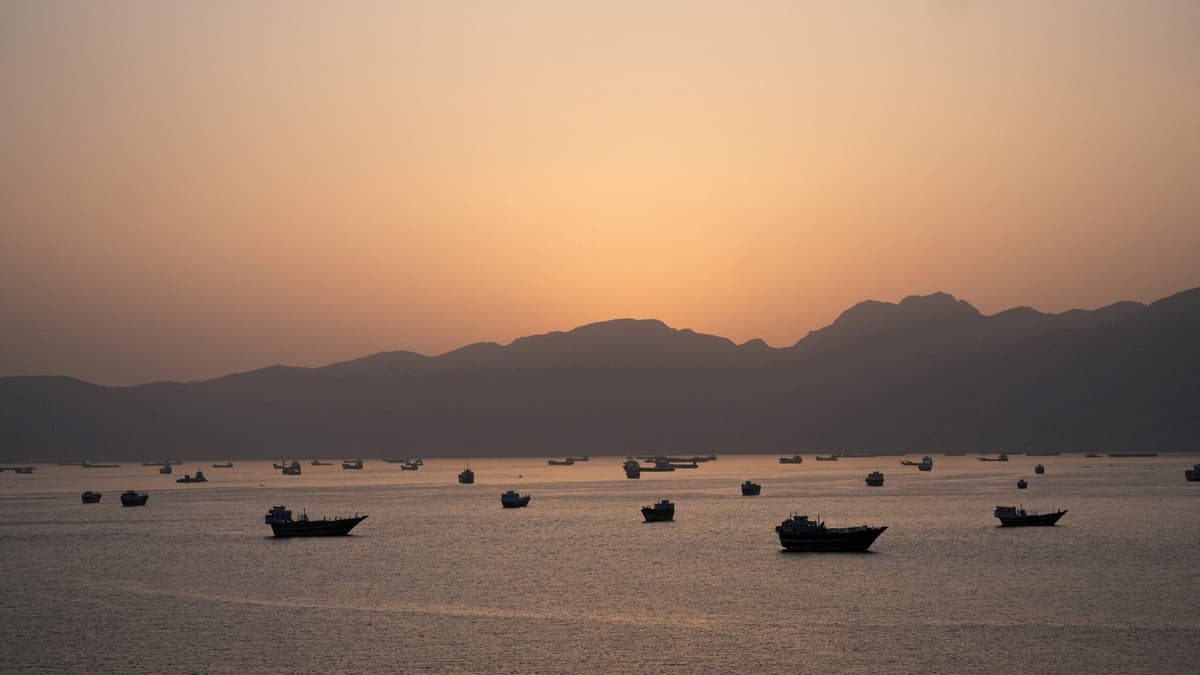
Quarter of Big Oil Tankers Trapped by Iran War Have Escaped
Companies Mentioned
Why It Matters
The modest but growing outflow eases immediate supply tightness and frees up fleet capacity for future shipments, while the pace of transits remains a barometer of diplomatic progress in the region.
Key Takeaways
- •29 of 109 large tankers have exited the Gulf.
- •Escapes average 520,000 barrels per day, a modest flow.
- •Ships often go dark, disabling AIS to avoid detection.
- •Iran's $2 million toll proposal remains largely unpaid.
- •Future transits hinge on US‑Iran cease‑fire negotiations.
Pulse Analysis
The shutdown of the Strait of Hormuz in late February sent shockwaves through global energy markets, cutting off a route that normally handles about 20% of world oil supply. With inventories already eroding at record speed, the sudden bottleneck forced traders to scramble for alternatives, pushing prices higher and prompting governments to intervene. The conflict also highlighted the strategic vulnerability of a single chokepoint and spurred a renewed focus on diversification of export routes, including pipelines from Saudi Arabia and the United Arab Emirates that bypass Hormuz altogether.
Since the closure, a slow trickle of super‑tankers has begun to re‑enter the market. Bloomberg’s tracking shows 29 of the 109 vessels capable of moving 700,000 barrels or more have slipped through, collectively delivering roughly 520,000 barrels per day. Operators are employing stealth tactics—sailing under cover of darkness and switching off the Automatic Identification System—to reduce exposure to shore‑based rockets and to avoid triggering Iran’s reported $2 million per‑transit toll. Yet about 20% of the remaining fleet still remain silent on AIS, making the true volume of escaped cargo uncertain and underscoring the opaque nature of wartime shipping.
For the broader oil market, each successful transit provides a modest relief valve, tempering the sharpest supply‑demand imbalances and allowing charterers to redeploy vessels once hostilities subside. However, the limited scale of these movements means that inventory buffers will continue to tighten until a durable cease‑fire is secured. Analysts therefore watch the pace of tanker exits as a proxy for diplomatic momentum; a faster flow would signal progress in US‑Iran negotiations, while stagnation could keep price volatility high and prolong the strain on global fuel supplies. The outcome will shape not only short‑term pricing but also longer‑term strategic decisions about fleet allocation and alternative export corridors.
Quarter of Big Oil Tankers Trapped by Iran War Have Escaped
Comments
Want to join the conversation?
Loading comments...