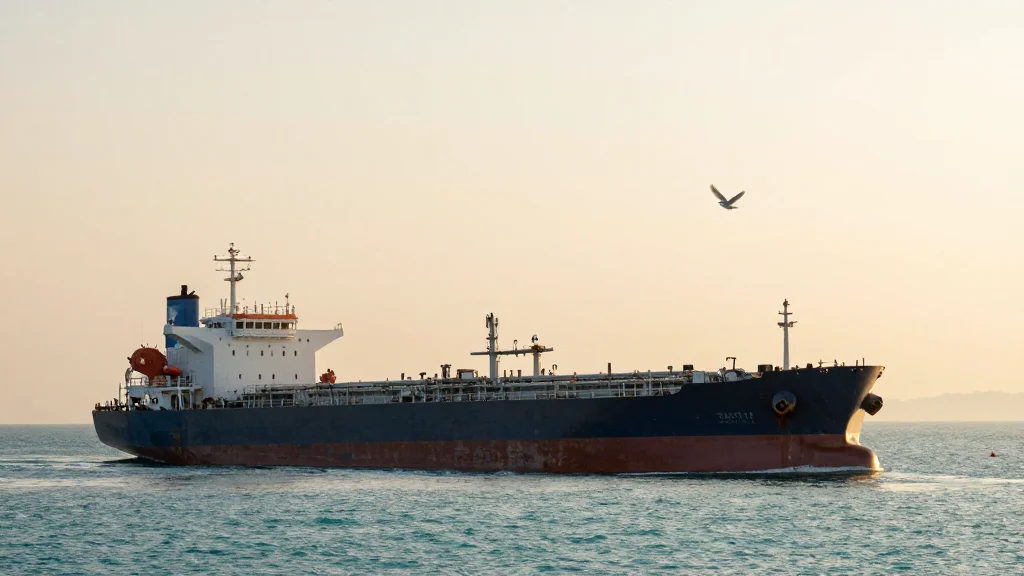
Questions Surround Hormuz Reopening After Lebanon Ceasefire
Why It Matters
Reopening Hormuz restores a key oil transit route, supporting global energy prices, while the ceasefire hints at a possible de‑escalation in the volatile Middle East.
Key Takeaways
- •Iran reopens Hormuz following Israel‑Lebanon ceasefire
- •Ceasefire began Thursday night, lasts ten days
- •Hormuz closure had pressured global oil shipments
- •Tehran signals willingness to adjust policy with regional calm
- •Markets may see reduced price volatility if shipping resumes
Pulse Analysis
The Israel‑Lebanon ceasefire, brokered after weeks of artillery exchanges along the Blue Line, marks a rare pause in a historically volatile frontier. Both sides agreed to a ten‑day halt, allowing humanitarian aid to flow and giving regional actors a window to reassess their postures. While the truce itself is limited, its timing coincides with broader diplomatic overtures, suggesting that neighboring states are testing the waters for a more sustainable de‑escalation.
The Strait of Hormuz, through which roughly 20% of the world’s petroleum passes, has been a flashpoint for Iranian leverage during periods of heightened tension. Earlier this year, Tehran threatened to restrict traffic in response to sanctions and regional conflicts, prompting spikes in Brent and WTI prices. By announcing the reopening immediately after the ceasefire, Iran signals a willingness to use the waterway as a diplomatic tool rather than a coercive weapon, aiming to restore confidence among shipping firms and oil traders.
For investors and policymakers, the dual developments could translate into lower freight premiums and steadier crude benchmarks, at least in the short term. However, the durability of both the ceasefire and Hormuz’s reopening remains uncertain, as any resurgence of hostilities could quickly reverse gains. Analysts will watch for further statements from Tehran and the United Nations, as well as any reciprocal moves by Israel, to gauge whether this momentary calm can evolve into a longer‑term reduction in Middle‑East geopolitical risk.
Questions Surround Hormuz Reopening After Lebanon Ceasefire
Comments
Want to join the conversation?
Loading comments...