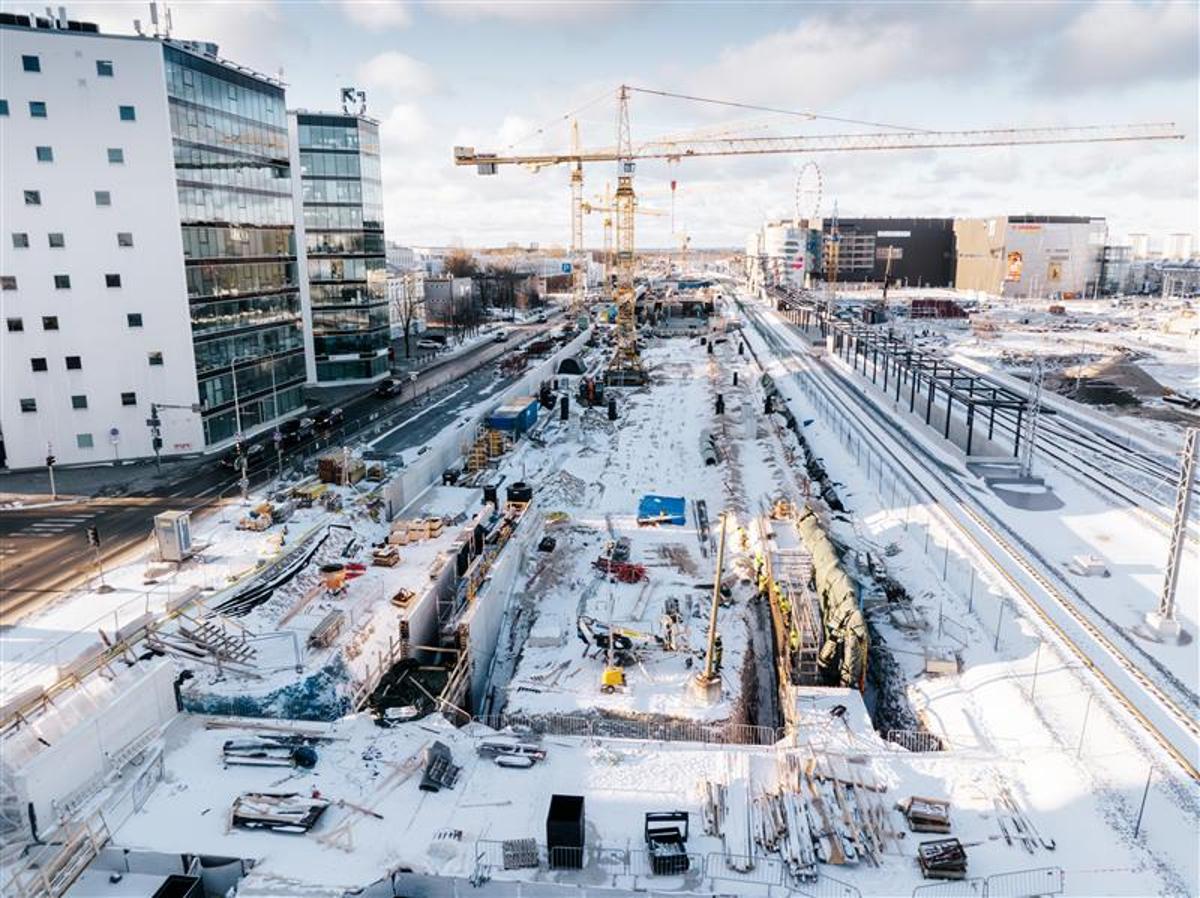
Rail Baltica Advances Joint Procurement of Core Track Construction Materials
•March 5, 2026
0
Why It Matters
Consolidated buying strengthens negotiating leverage and reduces cost volatility, accelerating the delivery of a fully interoperable trans‑Baltic high‑speed railway.
Key Takeaways
- •Joint framework agreements cover rails, sleepers, turnouts
- •Centralized buying boosts negotiating power, price stability
- •Materials availability slated from July–September 2026
- •Flexible contracts allow orders as construction progresses
- •Enhances cross‑border compatibility for Baltic high‑speed rail
Pulse Analysis
Rail Baltica’s procurement strategy reflects a broader shift in large‑scale infrastructure projects toward collaborative sourcing. By pooling demand across Estonia, Latvia and Lithuania, the consortium can negotiate bulk discounts and lock in performance guarantees that individual national agencies could not secure alone. This approach mirrors EU‑wide initiatives that prioritize standardisation and risk mitigation, ensuring that the high‑speed corridor adheres to a single set of technical specifications from track super‑structure to signalling equipment.
The timing of material deliveries is critical for maintaining the project’s aggressive schedule. With sleepers expected in September 2026 and rails becoming orderable by July, the supply chain gains a predictable cadence that aligns with construction milestones. Flexible framework agreements mean that orders can be placed incrementally, reducing inventory costs while still benefitting from pre‑negotiated pricing. For suppliers, the guaranteed volume across three markets offers a stable revenue stream, encouraging investment in capacity and innovation tailored to the Baltic climate and terrain.
Looking ahead, the successful execution of this joint procurement model could set a benchmark for cross‑border rail projects worldwide. Consistent material standards simplify certification processes and facilitate seamless integration with existing European networks. Moreover, price stability helps governments manage public‑funded budgets amid fluctuating construction markets. As the first high‑speed line in the region approaches operational readiness, the procurement framework will likely influence future EU transport initiatives, reinforcing the strategic importance of coordinated infrastructure development.
Rail Baltica advances joint procurement of core track construction materials
0
Comments
Want to join the conversation?
Loading comments...