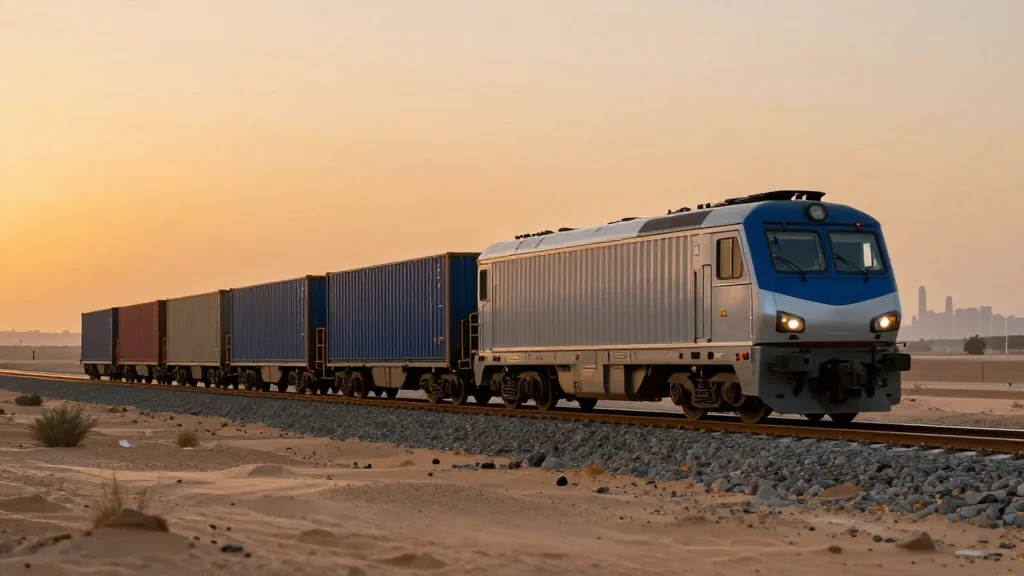
Rail Shippers Raise Concerns About Middle East Conflict (UPDATED 4/15)
Companies Mentioned
Why It Matters
Ensuring uninterrupted fertilizer and chemical rail transport protects U.S. crop yields and prevents cost spikes for shippers, while regulatory oversight curbs potential abuse of crisis‑driven surcharges.
Key Takeaways
- •TFI urges Class I CEOs to prioritize fertilizer shipments after Hormuz closure
- •UP, BNSF, CSX, and NS report 2‑8% year‑to‑date fertilizer volume growth
- •ACD warns rail carriers may add unjustified surcharges during Middle East conflict
- •STB pledges oversight of fuel surcharges and enforces 20‑day notice rule
- •Fertilizer moves account for two‑thirds of U.S. rail freight ton‑miles
Pulse Analysis
The closure of the Strait of Hormuz has rippled through global commodity markets, choking the flow of key fertilizer inputs such as ammonia, urea and sulfur. The United States, which imports a sizable share of these nutrients, relies heavily on rail to move roughly 90 million tons of fertilizer annually—about two‑thirds of all domestic fertilizer ton‑miles. With spring planting windows tightening, any delay can jeopardize yields, farm income and the broader food supply chain, making rail prioritization a strategic imperative for both growers and policymakers.
Class I railroads have responded by scaling resources and refining operations. Union Pacific reports a 2 % increase in overall fertilizer shipments and an 8 % rise in nitrogen volumes, while BNSF boasts a first‑quarter record and a 15 % improvement in car velocity. CSX and Norfolk Southern similarly note 3‑4 % growth and have introduced equipment reservation tools and customer‑portal enhancements to improve visibility. These steps illustrate how railroads are leveraging surplus locomotives, crew flexibility and data‑driven scheduling to absorb the surge without compromising other freight services.
Meanwhile, the Alliance for Chemical Distribution has flagged the risk of rail carriers imposing extra surcharges during the geopolitical shock. The STB’s response reasserts its mandate to enforce a direct link between fuel surcharges and actual fuel consumption, uphold the 20‑day notice rule, and scrutinize demurrage practices. By maintaining regulatory vigilance, the board aims to prevent cost inflation for chemical distributors and protect downstream industries that depend on timely, affordable rail transport. This dual focus on operational capacity and oversight underscores the critical role of rail in stabilizing U.S. agricultural and chemical supply chains amid international turbulence.
Rail Shippers Raise Concerns About Middle East Conflict (UPDATED 4/15)
Comments
Want to join the conversation?
Loading comments...