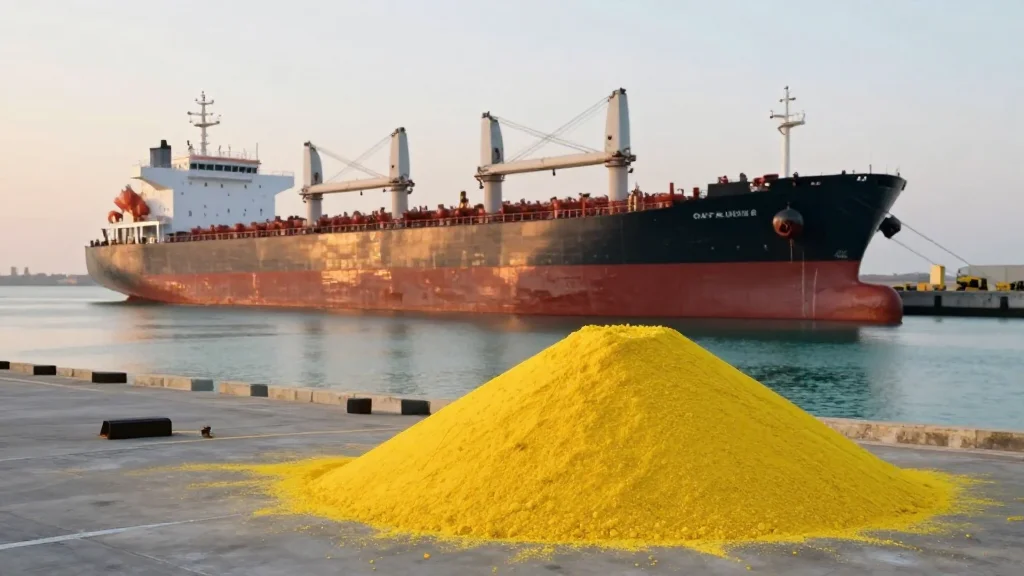
Red Sea Ports Now Central to Middle East Sulphur Supply
Companies Mentioned
Why It Matters
Redirecting sulfur flows to Red Sea ports mitigates a global supply crunch but introduces new logistical and security risks that could reshape trade costs and routing in the petrochemical market.
Key Takeaways
- •Yanbu, Rabigh, Jizan become main Middle East sulfur hubs
- •Vessel tracking shows 15+ ships with ~650,000 t sulfur awaiting transit
- •Houthi attacks could force longer Cape route, raising costs
- •Oman's Duqm adds alternative loading point outside Strait
- •Only three vessels have passed Hormuz since closure, signaling cautious optimism
Pulse Analysis
The strategic bottleneck created by the effective shutdown of the Strait of Hormuz has compelled sulfur exporters to pivot toward Saudi Arabia’s Red Sea terminals. Historically, the Hormuz corridor handled the bulk of Middle Eastern sulfur shipments, but the closure has elevated Yanbu, Rabigh and Jizan to primary loading points. Vessel‑tracking data from Kpler confirms a steady stream of cargoes, with more than a dozen tankers now anchored and awaiting a safe window to traverse the Gulf of Aden. This shift not only redistributes freight traffic but also underscores the region’s reliance on alternative maritime corridors.
Security considerations now dominate operational planning. The presence of Houthi forces in the Gulf of Aden raises the specter of missile strikes, prompting insurers to hike premiums and some shippers to contemplate the far longer Cape of Good Hope route. While the Cape detour adds several weeks to voyages and substantially raises fuel and charter costs, it offers a risk‑averse alternative when the Aden corridor becomes untenable. Additionally, the potential for vessels to switch off AIS tracking for safety further obscures real‑time visibility, complicating supply‑chain forecasting for downstream users.
From a market perspective, the Red Sea realignment provides a temporary lifeline amid a severe global sulfur shortage, but the higher transportation expenses could translate into elevated prices for end‑users in industries such as fertilizers and chemicals. Oman's Duqm port, situated outside the conflict zone, offers a complementary outlet, helping to diversify supply routes. If the ceasefire holds and the security environment stabilises, a gradual resumption of traffic through Hormuz could ease pressure on prices, yet the current dynamics suggest that Red Sea and Indian Ocean pathways will remain pivotal in the near term.
Red Sea ports now central to Middle East sulphur supply
Comments
Want to join the conversation?
Loading comments...