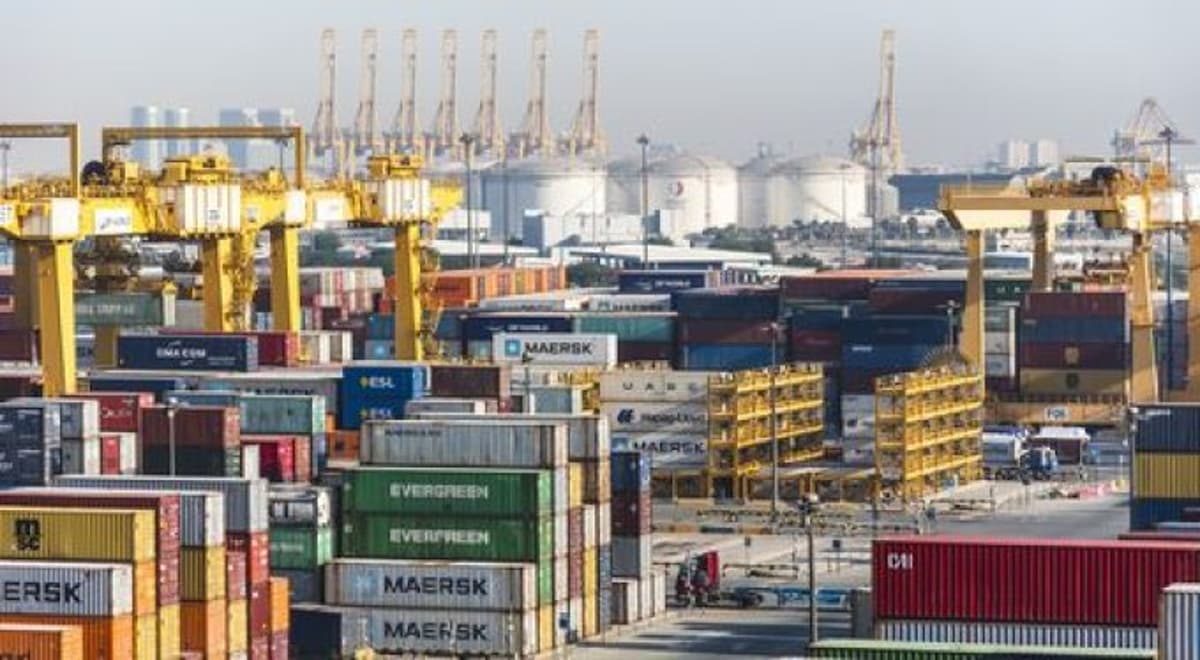
Regional Trade Boom Could Reshape Container Shipping for a ‘Golden Decade’
Why It Matters
The shift to regionalized supply chains forces carriers to redesign networks and fleet composition, creating new investment opportunities and cost pressures across the maritime ecosystem.
Key Takeaways
- •Regional trade agreements now cover 60% of global trade
- •Intra‑Asia, intra‑Africa, and near‑shoring corridors drive growth
- •Only 114 of 1,621 new ships are ultra‑large megaships
- •Clean‑energy projects could boost container demand despite higher carbon costs
- •AI data‑center build‑out creates short‑term container demand spike
Pulse Analysis
The rise of regional trade agreements is the most tangible catalyst reshaping container shipping. From roughly 300 pacts in 2020 to nearly 400 today, these accords now govern about 60% of world commerce, up from 40% in 1990. This acceleration pushes cargo flows into intra‑regional corridors—particularly within Asia, Africa, and the North American near‑shoring axis—altering traditional east‑west lane dominance. Shippers and logistics providers must therefore re‑evaluate route planning, port investments, and service frequency to capture the emerging demand pockets.
Concurrently, vessel ordering trends reveal a strategic pivot away from the megaship era that defined the past three decades. Of the 1,621 containerships on order, a mere 114 exceed 20,000 TEU, indicating owners are prioritising midsize vessels that can efficiently serve shorter, high‑frequency regional routes. This “spoke‑and‑spoke” network reduces reliance on hub ports and demands more flexible, faster‑turnaround terminal infrastructure. Shipyards and equipment suppliers will need to adapt product lines, while financiers may see a shift in risk profiles toward a larger fleet of smaller assets.
Beyond geography, the energy transition and an AI‑driven infrastructure surge present ancillary demand vectors. Clean‑energy investments topped $2.2 trillion in 2025, funneling solar panels, batteries and turbine components through container channels. Although IMO carbon regulations add $150‑$400 per container on certain routes, the long‑term freight uplift from renewable‑energy supply chains could offset these costs. Meanwhile, the construction phase of AI data centers generates a temporary spike in containerized shipments of servers and cooling equipment, a wave Braemar calls an “AI infrastructure bow‑wave.” Once operational, AI’s ongoing demand leans more on computing power than freight, tempering its lasting impact on shipping volumes.
Regional trade boom could reshape container shipping for a ‘golden decade’
Comments
Want to join the conversation?
Loading comments...