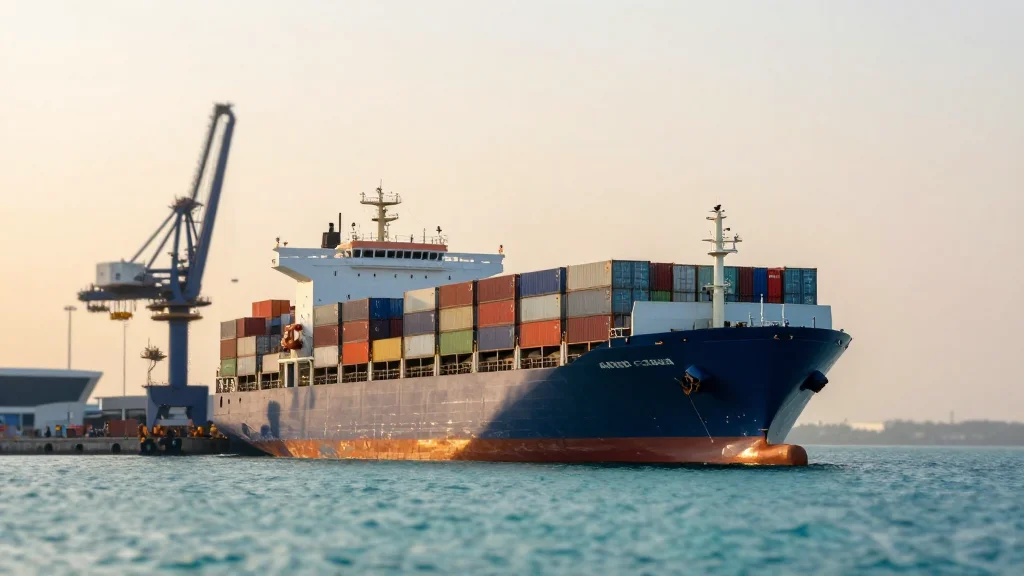
Rerouted Middle East Hazmat Containers Spark Safety Concerns at Indian Ports
Companies Mentioned
Why It Matters
The buildup threatens port safety and could trigger costly incidents, forcing regulators to tighten hazardous‑material handling standards across the region.
Key Takeaways
- •600 TEUs of hazardous cargo stranded at Nhava Sheva
- •UAE and Oman ports face land‑side constraints limiting container evacuation
- •Indian authorities warn of fire and environmental risks
- •Supply‑chain reroutes may pressure Indian port safety protocols
Pulse Analysis
The recent diversion of Middle‑East‑bound containers to Indian terminals is a symptom of broader supply‑chain turbulence. Geopolitical tensions and congestion at Gulf ports such as Khor Fakkan, Fujairah, and Sohar have forced carriers to seek alternative discharge points, landing hazardous shipments at Nhava Sheva. While India’s ports have the capacity to absorb additional volume, they lack the specialized infrastructure and trained personnel required for large‑scale hazardous‑material storage, raising alarms among regulators and local communities.
Hazardous cargo, classified as dangerous goods, demands strict segregation, ventilation, and emergency response capabilities. The sudden influx of 600 TEUs—equivalent to dozens of fully loaded trucks—creates a fire‑hazard hotspot, especially in a densely packed container yard. Indian port authorities have initiated temporary safety protocols, including increased monitoring, dedicated fire‑fighting units, and coordination with customs to expedite inspections. However, the ad‑hoc measures expose gaps in the nation’s existing regulatory framework, prompting calls for updated guidelines and investment in dedicated hazmat handling zones.
Looking ahead, the episode could reshape regional logistics strategies. Carriers may renegotiate contracts to include contingency clauses for hazardous cargo, while Indian ports might attract new business by positioning themselves as compliant hazmat hubs. Investors are watching for policy shifts that could drive capital into safety upgrades, technology‑enabled tracking, and workforce training. Ultimately, the incident underscores how geopolitical disruptions can cascade into operational challenges, compelling the Indian maritime sector to balance throughput growth with rigorous safety standards.
Rerouted Middle East hazmat containers spark safety concerns at Indian ports
Comments
Want to join the conversation?
Loading comments...