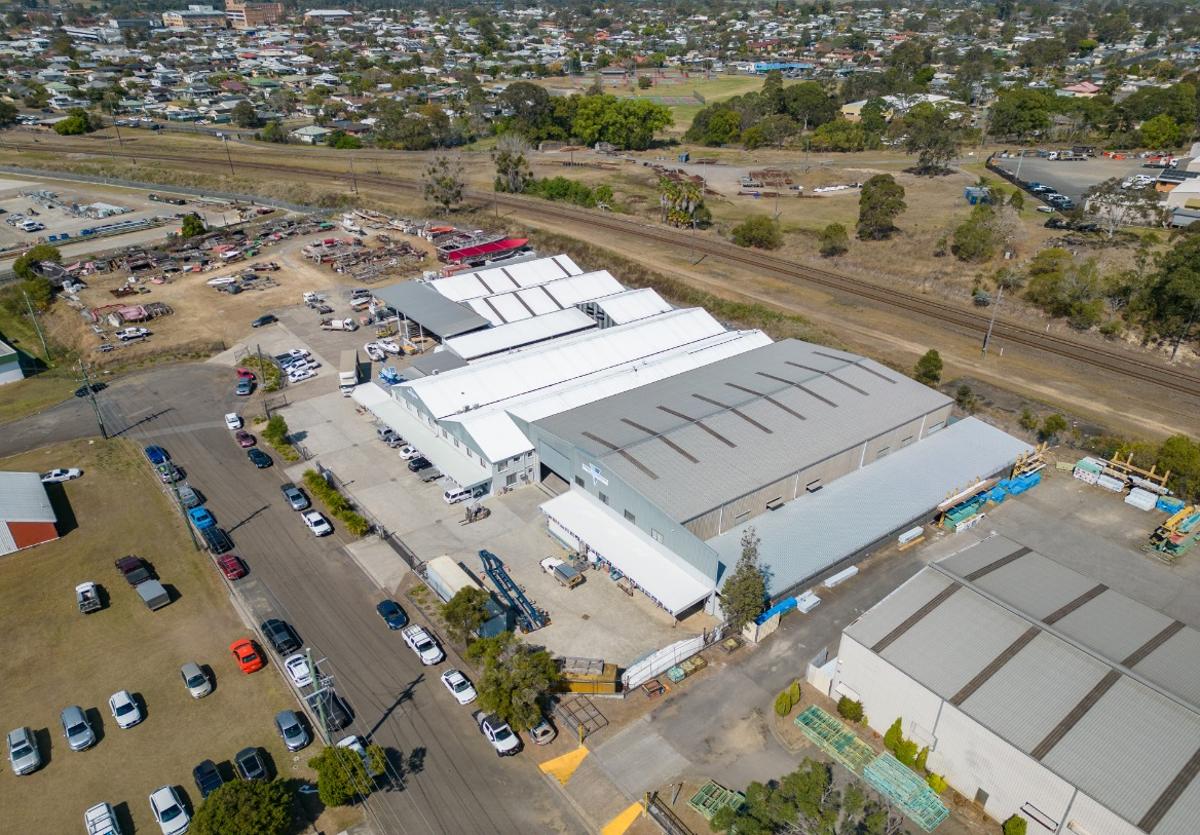
Research Partnership Focuses on Improving Sustainability in Boat Manufacturing
Why It Matters
The study tackles a looming waste crisis in the marine sector by developing recyclable, lower‑impact composites, positioning Australia at the forefront of sustainable boat production and influencing global supply chains.
Key Takeaways
- •35‑40 million fiberglass boats reaching end‑of‑life globally
- •$1.9 million (≈US$1.25 million) two‑year study explores basalt fibre and bio‑resins
- •Test hull will validate performance, repairability, and manufacturing compatibility
- •Project aims to create a circular material pathway for marine composites
- •Findings will be shared industry‑wide to accelerate sustainable boat production
Pulse Analysis
The marine industry faces an unprecedented environmental challenge as tens of millions of fiberglass vessels near the end of their service lives. Traditional glass‑reinforced plastic (GRP) offers durability but lacks scalable recycling, leading to landfill and ocean contamination. By quantifying the scale—35 to 40 million boats worldwide—analysts recognize a looming waste stream that could dwarf other plastic pollution sources if left unchecked.
In response, the Australian Composites Manufacturing CRC has assembled a cross‑sector consortium to test basalt fibre, a volcanic rock‑derived material, combined with bio‑based resins. Backed by a $1.9 million (≈US$1.25 million) grant, the partnership leverages UNSW’s materials science expertise, Steber International’s manufacturing capabilities, and SOENECS’s life‑cycle assessment tools. A purpose‑built test hull will provide real‑world data on strength, repairability, and compatibility with existing production lines, while the LCA will model carbon savings versus conventional GRP. This collaborative model mirrors successful sustainability pilots in aerospace and automotive sectors, where alternative composites have already reduced weight and emissions.
If successful, the project could redefine supply chains across marine, defense and recreational boating, offering a scalable, circular alternative that meets performance standards. Industry stakeholders anticipate that verified basalt‑bio‑resin composites will lower end‑of‑life disposal costs and open new markets for recyclable boat components. Moreover, the open‑access findings will likely spur similar initiatives globally, accelerating a shift toward greener composites in sectors beyond marine, reinforcing Australia’s leadership in sustainable materials innovation.
Research partnership focuses on improving sustainability in boat manufacturing
Comments
Want to join the conversation?
Loading comments...