'Resilience Is Not a Buzzword': Palm Oil Leaders Call for Industry Reset Amid Global Shocks
Why It Matters
The discussion highlights how supply‑chain risk and policy pressure could reshape investment and compliance costs across the palm oil industry, affecting global commodity markets and deforestation outcomes.
Key Takeaways
- •Middle East conflict spikes fertilizer prices, threatens palm oil yields
- •RSPO calls for downstream buyers to share risk with smallholders
- •EU Deforestation Regulation adds compliance layers, burdening small farms
- •Long‑term leadership focus essential for sector’s century‑scale resilience
Pulse Analysis
The palm oil sector, a cornerstone of Southeast Asian economies, is confronting a perfect storm of supply‑chain disruptions and regulatory scrutiny. The recent escalation in the Middle East has curtailed urea exports, driving fertilizer prices to historic highs and jeopardizing the planting window for millions of hectares. This shock underscores the sector’s dependence on geopolitically sensitive inputs and amplifies calls for diversified sourcing and inventory strategies to safeguard yields.
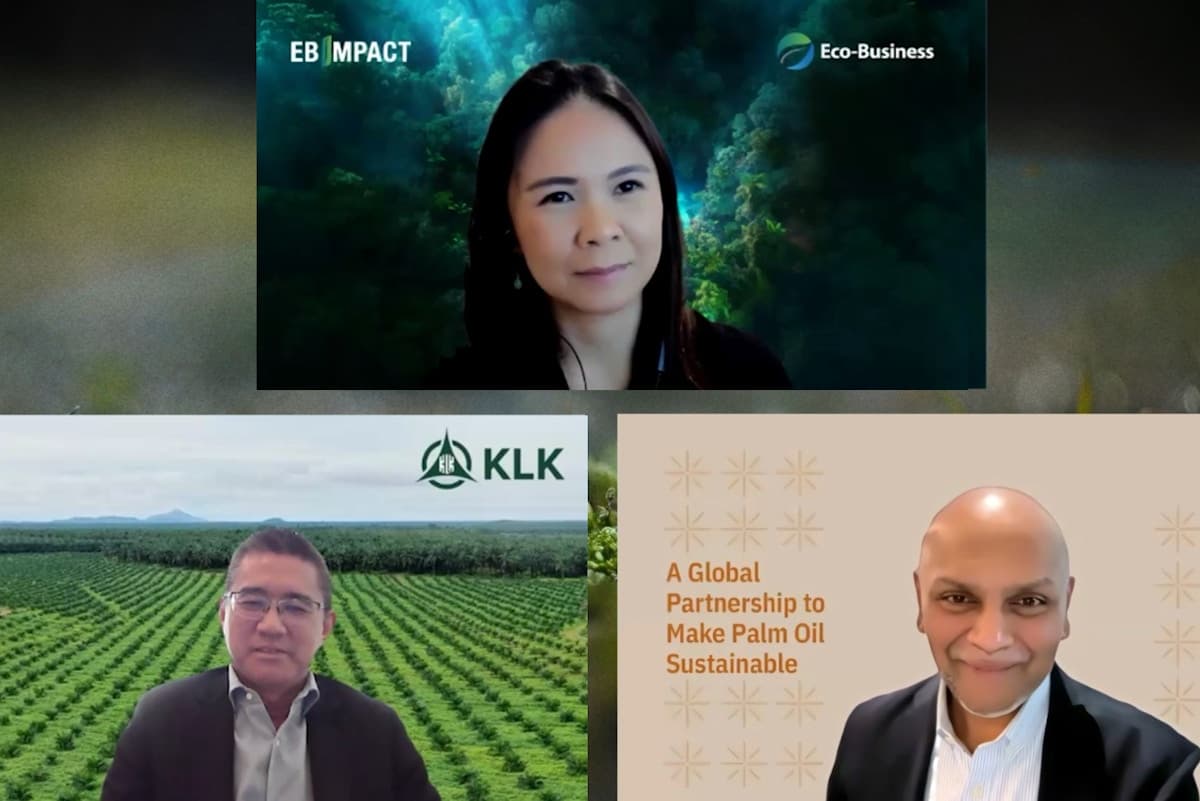
In the Resilience podcast, RSPO’s Joseph D’Cruz and KLK’s Ku Kok Peng argued that the current sustainability framework unfairly burdens smallholders while rewarding downstream buyers. They urged a contractual partnership model where buyers commit to purchase volumes and provide shock‑mitigation support, such as price‑floor mechanisms or shared logistics. Simultaneously, emerging Indonesian land‑use policies and the EU Deforestation Regulation (EUDR) add layers of compliance that disproportionately affect small producers, risking a backlash that could stall progress on forest protection and carbon‑stock preservation.
Beyond policy, the guests emphasized that lasting resilience hinges on leadership that prioritizes legacy over quarterly earnings. Companies that embed long‑term environmental stewardship, invest in data‑driven agronomy, and foster transparent farmer relationships are better positioned to navigate future disruptions. As investors and consumers increasingly demand climate‑smart supply chains, the sector’s ability to evolve its governance and risk‑sharing models will determine its competitiveness and social license to operate.
'Resilience is not a buzzword': Palm oil leaders call for industry reset amid global shocks
Comments
Want to join the conversation?
Loading comments...