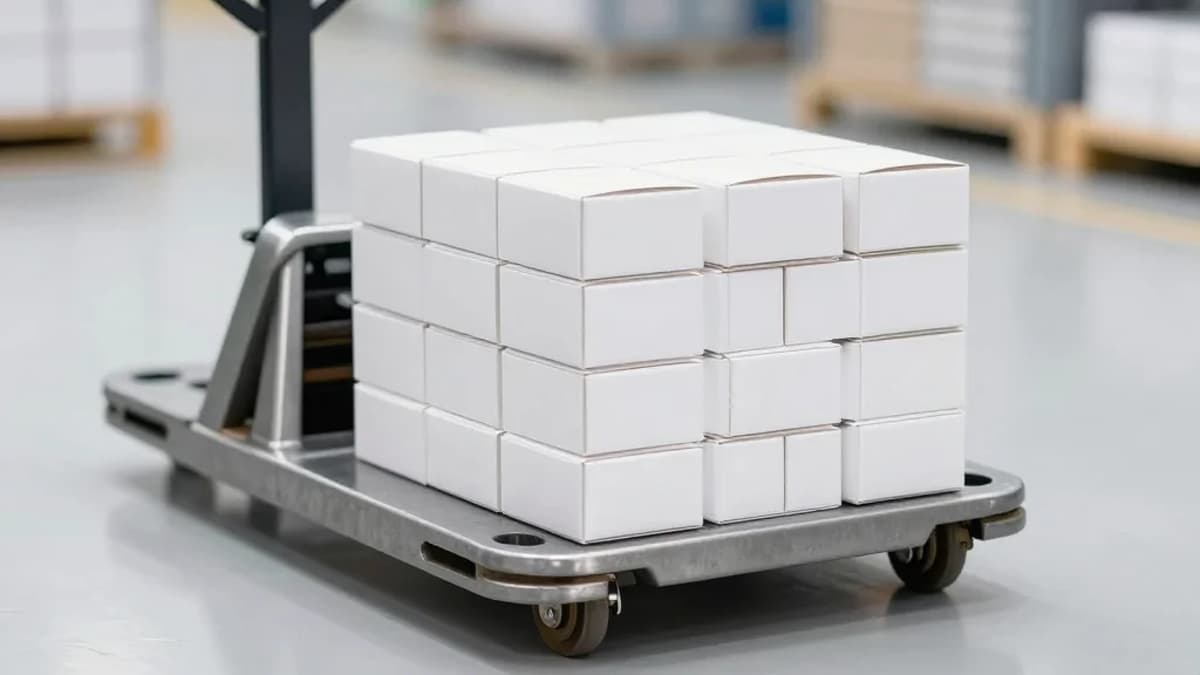
Rethinking the Box: Why Circular Cold Chain Packaging Is Becoming a Cost Strategy in Healthcare
•March 9, 2026
0
Why It Matters
Circular packaging transforms a hidden cost center into a profit lever, aligning cost reduction with ESG pressures. It gives high‑volume healthcare shippers a competitive edge in a tightening margin environment.
Key Takeaways
- •Reusable packaging cuts per‑shipment cost 30‑50%
- •Dimensional weight reductions save up to $125k annually
- •Waste drops five‑to‑twenty‑fold, improving dock throughput
- •Preventing one excursion offsets transition costs
- •Total savings can reach $1 million for high‑volume shippers
Pulse Analysis
The cold chain has long been dominated by single‑use insulated boxes, a model that treats packaging as a consumable. As specialty pharmaceuticals proliferate and shipment volumes surge, the cumulative expense of purchasing, assembling, and discarding thousands of containers becomes a silent profit drain. Moreover, ESG scrutiny forces companies to quantify the environmental toll of disposable foam and corrugated waste, turning a compliance checkbox into a strategic cost consideration.
Reusable temperature‑controlled containers flip the equation by spreading the capital outlay over many trips. When utilization stabilizes, procurement savings of 30‑50% per shipment emerge, while engineered designs shrink the package footprint, trimming dimensional weight and delivering freight reductions that can exceed $100,000 annually. Reverse‑logistics processes—tracking, refurbishing, and re‑qualifying packs—also slash landfill waste five‑to‑twenty‑fold, freeing dock space and lowering hauling contracts. The most compelling financial driver, however, is risk mitigation: consistent thermal performance reduces costly temperature excursions that can run into six‑figure losses.
Strategically, circular cold chain packaging positions healthcare distributors to meet both cost and sustainability goals without sacrificing service levels. Capital previously tied up in disposable inventory can be redeployed to growth initiatives, while ESG reporting benefits from measurable waste reductions. Adoption does require disciplined reverse‑logistics infrastructure and partnership with carriers, but the payoff—up to a million dollars in annual savings for high‑volume shippers—makes the transition a prudent business decision rather than a branding exercise.
Rethinking the box: Why circular cold chain packaging is becoming a cost strategy in healthcare
0
Comments
Want to join the conversation?
Loading comments...