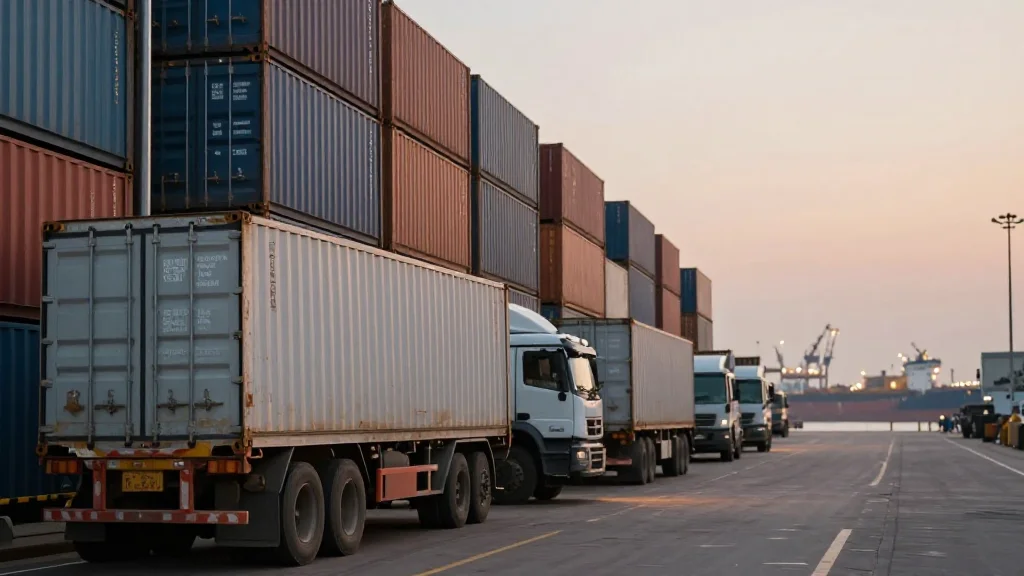
Rising Container Dwells Hobble Vessel Flows at India’s Nhava Sheva, Mundra Ports
Why It Matters
Reduced drayage capacity threatens India’s trade flow, raising shipping costs and delaying global supply chains that rely on these gateways.
Key Takeaways
- •Driver shortage cuts truck trips at Nhava Sheva, Mundra
- •Holiday‑driven migrant return fuels unexpected labor crunch
- •Vessel schedules delayed due to drayage bottlenecks
- •Transshipment container transfers also experiencing slowdown
- •Ports risk prolonged throughput decline through summer
Pulse Analysis
India’s Nhava Sheva (Jawaharlal Nehru Port) and Mundra are the country’s two busiest container terminals, handling roughly 5.5 million TEUs annually, which translates to a significant share of global trade passing through South Asia. Efficient drayage—the short‑haul movement of containers between port terminals and inland logistics hubs—is the linchpin that keeps ships on schedule and warehouses stocked. When trucks cannot arrive on time, containers pile up on berths, forcing vessels to wait longer, increasing berth occupancy rates, and inflating demurrage charges for shippers worldwide.
The current crunch stems from an abrupt exodus of domestic migrant drivers who returned to their home states as the April‑June summer vacation period began. Unlike the predictable seasonal dip, this wave is larger because many workers are seeking alternative employment or pursuing education for their families. The driver shortage is compounded by stricter licensing regulations and rising fuel costs, which deter new entrants. As a result, the available drayage fleet has shrunk by an estimated 15‑20%, leaving ports scrambling to reallocate limited resources and prioritize high‑value cargo.
For ocean carriers, the bottleneck translates into missed sailing windows, higher operational expenses, and the need to renegotiate freight contracts. Importers and exporters face delayed deliveries, inventory imbalances, and potential penalties for late shipments. Industry analysts predict that unless the labor gap is addressed—through incentives, temporary hiring drives, or automation of intra‑port movements—throughput at Nhava Sheva and Mundra could fall 8‑10% this quarter. Companies with diversified routing options may shift cargo to alternative Indian gateways such as Chennai or Kolkata, reshaping regional trade dynamics.
Rising container dwells hobble vessel flows at India’s Nhava Sheva, Mundra ports
Comments
Want to join the conversation?
Loading comments...