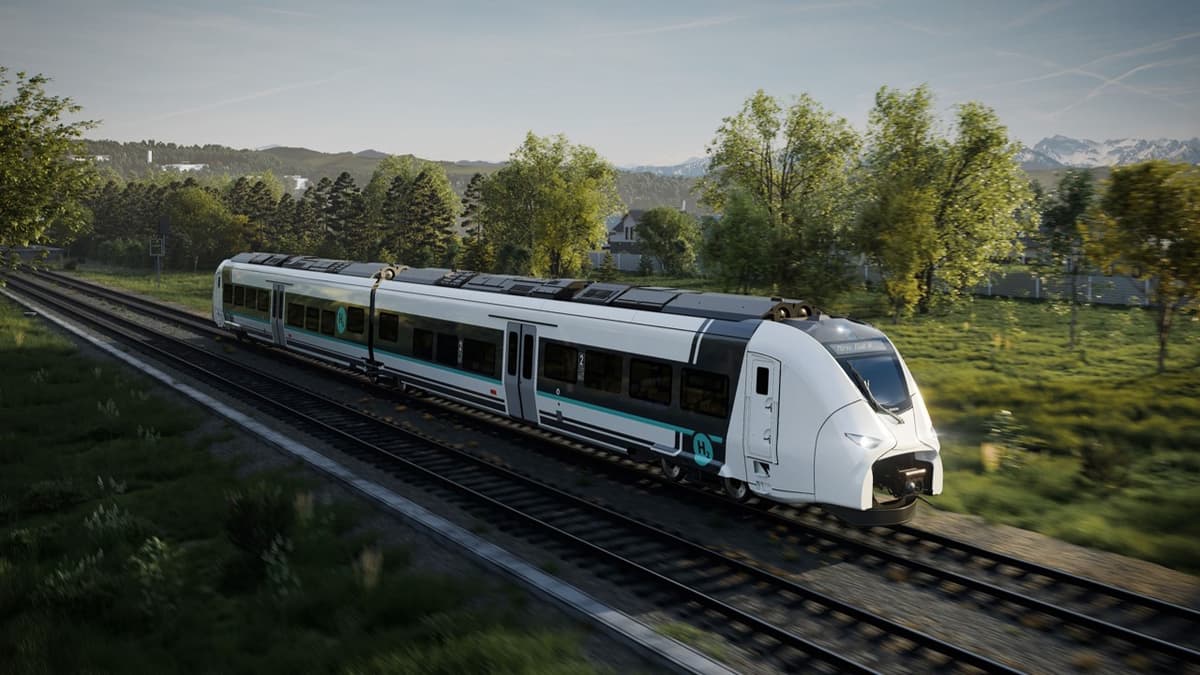
Romania Signs First Hydrogen Train Contract
Why It Matters
The deal accelerates Romania’s rail decarbonisation by replacing diesel units on non‑electrified lines, boosting sustainability and modernising passenger service. It also positions the country among early adopters of hydrogen mobility in the region, potentially spurring further green‑tech investments.
Key Takeaways
- •Siemens Mobility wins €229.3 M (~$250 M) contract for 12 hydrogen trains
- •First hydrogen train deployment in Romania, serving non‑electrified routes
- •15‑year maintenance includes local depot and Railigent X digital platform
- •Trains achieve 120 km/h, 131 seats, and ETCS L2 safety compliance
- •Project financed by Transport Programme 2021‑2027, co‑funded by state budget
Pulse Analysis
Hydrogen‑powered rail is emerging as a cornerstone of Europe’s climate strategy, offering a zero‑emission alternative for lines where electrification is economically prohibitive. Romania, with a sizable network of non‑electrified regional routes, has long faced a sustainability gap that diesel locomotives cannot fill. By securing a €229.3 million contract with Siemens Mobility, the country aligns with EU Green Deal objectives and taps into a technology that promises lower operating costs, reduced noise, and compliance with increasingly stringent emissions standards.
The Siemens Mireo Plus H trainsets combine a modular hydrogen fuel‑cell system with proven Mireo platform reliability. Each two‑unit set can reach 120 km/h, seats 131 passengers, and integrates ETCS Level 2 and PZB safety systems, ensuring interoperability across the European rail corridor. The 15‑year service agreement includes local maintenance at a Bucharest depot and the Railigent X digital platform, which leverages predictive analytics to extend battery life and improve fleet availability. This comprehensive package not only guarantees performance but also builds domestic expertise in hydrogen technology, creating a skilled workforce and a maintenance ecosystem that can support future expansions.
Beyond the immediate operational benefits, the contract signals a broader market shift toward green rail solutions in Eastern Europe. As the first hydrogen train project in the region, Romania sets a precedent that could attract additional OEMs and financing for similar initiatives. The involvement of state co‑funding underscores governmental commitment, potentially unlocking EU recovery funds and private capital. In the long run, successful deployment may encourage neighboring countries to adopt comparable technologies, accelerating the continent’s transition to a low‑carbon transport network.
Romania signs first hydrogen train contract
Comments
Want to join the conversation?
Loading comments...