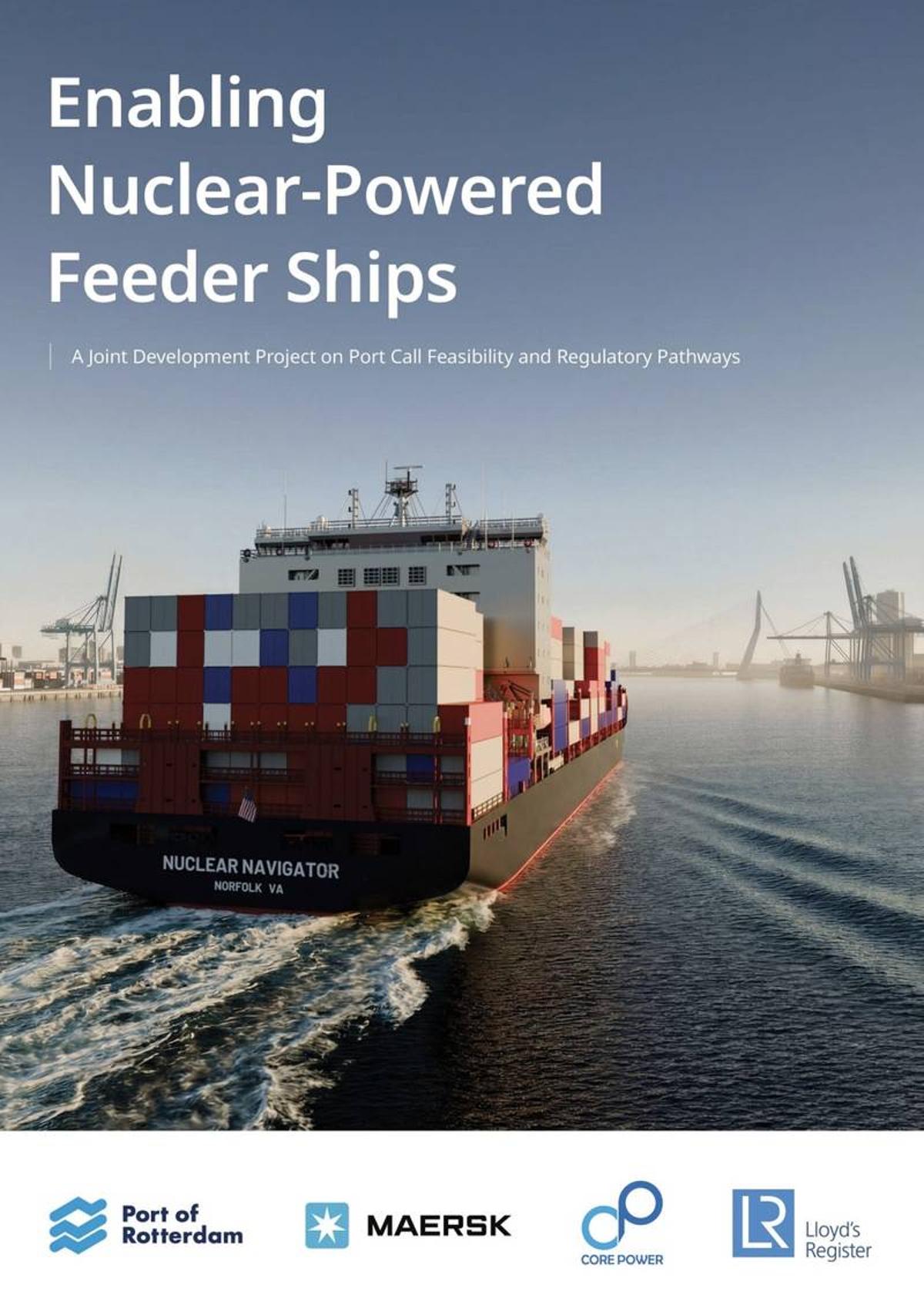
Rotterdam Study Outlines Port Calls for Nuclear-Powered Commercial Vessels
Why It Matters
Nuclear propulsion could deliver the high‑density, zero‑emission power needed for decarbonising global shipping, but regulatory and safety hurdles must be cleared to unlock its commercial potential.
Key Takeaways
- •Existing port safety frameworks can assess nuclear-powered vessels
- •Regulatory alignment and governance remain major hurdles
- •IMO rules need modernization for commercial nuclear ships
- •Public engagement and liability issues must be resolved
- •Rotterdam study highlights nuclear propulsion’s role in decarbonisation
Pulse Analysis
The shipping industry faces mounting pressure to meet aggressive decarbonisation targets, prompting a scramble for scalable zero‑emission technologies. While hydrogen, ammonia and e‑fuels dominate policy discussions, they struggle to match the energy density and endurance required for long‑haul, high‑utilisation routes. Nuclear propulsion, long used in naval vessels, offers a high‑density, carbon‑free alternative that could bridge this gap, providing continuous power without the storage constraints of liquid fuels. Industry leaders are therefore revisiting nuclear options as part of a broader energy‑resilience strategy.
The Rotterdam joint study provides a pragmatic roadmap for integrating nuclear‑powered feeder ships into existing port ecosystems. By leveraging familiar risk‑based safety frameworks, ports can begin assessing nuclear vessels without reinventing the wheel. However, the report underscores that the real bottleneck lies in regulatory coherence: national and international rules, especially IMO conventions drafted for an earlier era, must be updated to address modern civil nuclear propulsion. Additional layers—emergency response plans, liability structures, insurance models, and robust public outreach—are essential to gain stakeholder confidence and ensure seamless operational integration.
If regulators and ports can align on safety, security and liability standards, nuclear propulsion could become a cornerstone of the maritime decarbonisation agenda. Ports like Rotterdam, with sophisticated infrastructure and a history of pioneering sustainability initiatives, are well‑positioned to lead the transition. Successful adoption would not only reduce greenhouse‑gas emissions but also enhance the competitiveness of European shipping by offering reliable, long‑range power. Investors and shipowners should monitor policy developments closely, as early alignment could unlock new financing opportunities and shape the next generation of ultra‑efficient vessels.
Rotterdam Study Outlines Port Calls for Nuclear-Powered Commercial Vessels
Comments
Want to join the conversation?
Loading comments...