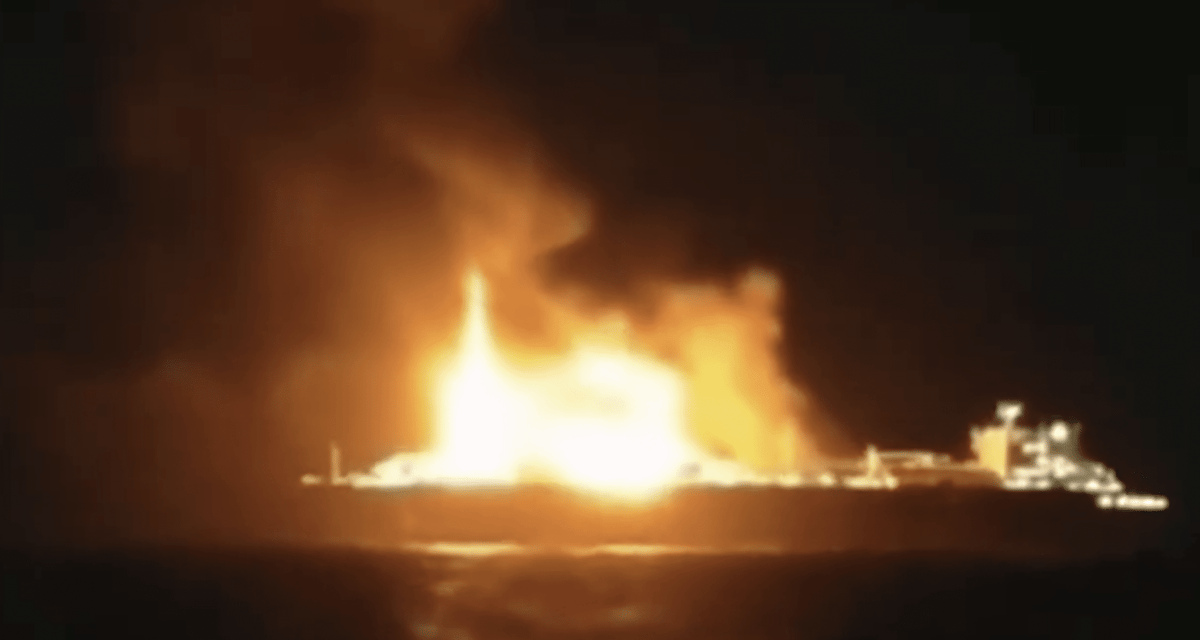
Russian LNG Carrier ‘Arctic Metagaz’ Reportedly Ablaze Off Malta as Maritime Patrol Aircraft Circles
•March 3, 2026
0
Why It Matters
The incident underscores the heightened security risks facing sanctioned Russian energy logistics and could disrupt already fragile LNG supply chains, prompting tighter maritime surveillance in the region.
Key Takeaways
- •Arctic Metagaz caught fire near Malta, AIS signal vanished.
- •Vessel part of Russia's sanctioned shadow LNG fleet.
- •Turkish Navy patrol aircraft monitored incident area.
- •Cause remains unverified; possible sabotage or accident.
- •Highlights vulnerability of sanctioned energy logistics.
Pulse Analysis
The Arctic Metagaz incident shines a spotlight on Russia's emerging "shadow fleet" of LNG carriers that operate under the radar of Western sanctions. These vessels, often flagged under neutral registries, transport liquefied natural gas from the Arctic LNG‑2 project to Asian markets, chiefly China’s Beihai terminal. By bypassing traditional shipping routes and employing opaque ownership structures, the fleet has become a critical lifeline for Moscow’s energy revenue, even as regulators tighten export controls. Understanding the operational nuances of this fleet is essential for analysts tracking sanction evasion tactics and global LNG supply dynamics.
When the fire erupted off Malta, the vessel’s Automatic Identification System signal vanished, a red flag for maritime authorities. Turkish Navy ATR‑72‑600 patrol aircraft were seen looping the area, suggesting rapid response coordination among NATO‑adjacent states. While the exact trigger—whether a technical malfunction, accidental explosion, or a targeted strike—remains unverified, the incident mirrors previous attacks on Russian‑linked ships in the Mediterranean, notably the Qendil tanker. Such events illustrate the expanding reach of covert operations, possibly linked to Ukrainian special‑operations units, and raise questions about the adequacy of existing maritime security protocols in contested waters.
The broader ramifications extend beyond a single vessel. A disruption in the shadow fleet could tighten the already constrained global LNG market, nudging spot prices upward and prompting buyers to seek alternative sources. Moreover, the episode may accelerate diplomatic pressure on countries that host or facilitate these clandestine shipments, leading to stricter port inspections and enhanced intelligence sharing. For investors and policymakers, the Arctic Metagaz blaze serves as a tangible reminder that geopolitical tensions are increasingly manifesting in the maritime domain, reshaping risk assessments for energy logistics and regional stability.
Russian LNG Carrier ‘Arctic Metagaz’ Reportedly Ablaze Off Malta as Maritime Patrol Aircraft Circles
0
Comments
Want to join the conversation?
Loading comments...