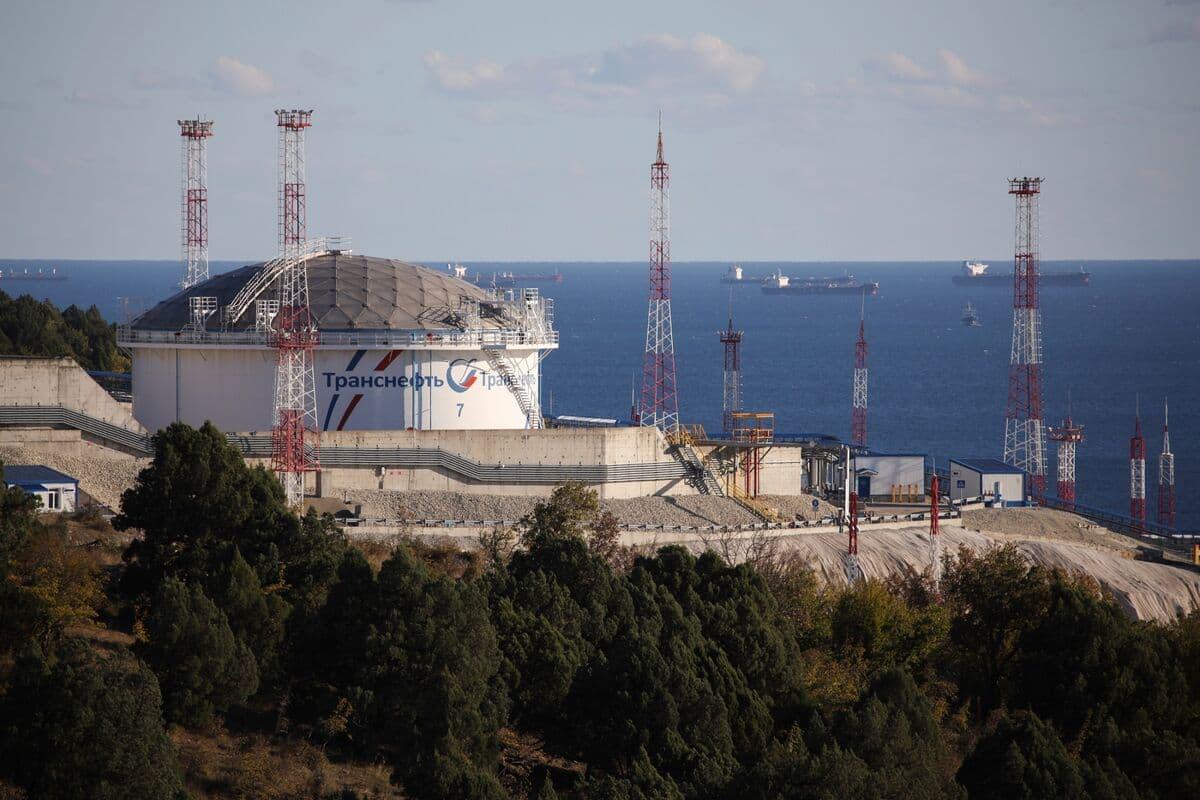
Russia’s Main Black Sea Port Resumes Loading Crude at Key Berth
Why It Matters
The resumption restores a vital export corridor for Russian crude, bolstering the country’s oil revenue and easing supply constraints in the global market. It also signals a degree of logistical stability despite ongoing sanctions and regional tensions.
Key Takeaways
- •Novorossiysk's Sheskharis berth 1 handles Suezmax crude tankers.
- •Samos tanker began loading crude on April 17, 2026.
- •Resumption boosts Russia's Black Sea oil export capacity.
- •Reduces shipment delays caused by earlier port disruptions.
- •Supports global oil market balance amid sanctions pressure.
Pulse Analysis
Novorossiysk, situated on Russia’s Black Sea coast, is the nation’s premier gateway for crude oil exports. The Sheskharis terminal, with its dedicated berth 1, accommodates Suezmax vessels—ships capable of carrying up to 1 million barrels—making it a linchpin in Russia’s supply chain to Europe and beyond. Historically, the port has handled a significant share of the country’s outbound crude, and its infrastructure upgrades have aimed to offset the limitations imposed by aging Soviet‑era facilities.
The return of the Samos tanker marks the first Suezmax loading at the berth after a series of interruptions linked to sanctions, maintenance backlogs, and geopolitical friction in the Black Sea region. By re‑activating this capacity, Russia can redirect crude that was previously rerouted through longer, costlier routes such as the Baltic or Mediterranean. This operational shift not only improves cash flow for Russian producers but also eases pressure on global oil logistics, where a shortfall of Black Sea shipments can tighten supply and lift spot prices.
For market participants, the development signals a modest easing of supply‑side risk at a time when Western sanctions continue to target Russian energy assets. Analysts will watch whether the port can sustain consistent loading rates and whether other terminals, like the nearby Tuapse facility, follow suit. Continued stability at Novorossiysk could help temper price volatility, support refinery feedstock planning, and influence the strategic calculus of both oil exporters and import‑dependent economies.
Russia’s Main Black Sea Port Resumes Loading Crude at Key Berth
Comments
Want to join the conversation?
Loading comments...