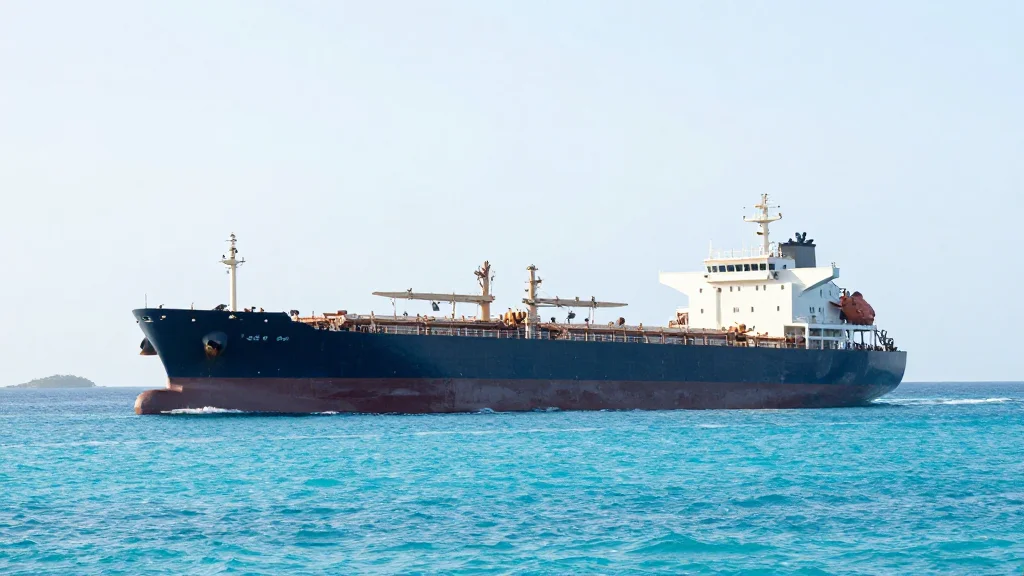
Sanctioned Sovcomflot-Linked Tanker Pulls Out of Cuba Trip
Why It Matters
The pull‑back cuts a vital fuel source for Cuba amid tightening Western sanctions, and signals that enforcement of penalties on Russian‑linked shipping is intensifying. This raises supply‑risk concerns for the island and for firms navigating sanctioned routes.
Key Takeaways
- •Universal diverted, carrying 300,000 barrels of fuel
- •Vessel listed under North Fleet, linked to Sovcomflot
- •EU and UK sanctions block Russian fuel shipments to Cuba
- •Prior tanker Anatoly Kolodkin arrived under U.S. humanitarian waiver
- •Diversion underscores heightened geopolitical risk for sanctioned shipping
Pulse Analysis
Russian fuel shipments to Cuba have become a flashpoint in the broader contest between Moscow and Western sanction regimes. Since the early 2020s, Cuba has relied on Russian crude and refined products to offset dwindling U.S. oil imports, creating a niche market for state‑linked tankers. The European Union and United Kingdom have placed vessels tied to Sovcomflot on sanctions lists, aiming to choke off revenue streams that fund Russia’s defense budget while also pressuring Havana’s energy security.
The Universal’s unexpected course change, captured by LSEG’s AIS tracking, illustrates how compliance monitoring is now a real‑time operational factor for maritime firms. Carrying about 300,000 barrels of fuel, the tanker would have been one of the largest single deliveries to the island this year. Its ownership chain—controlled by North Fleet, an entity sharing an address with a Sovcomflot office—makes it a prime target for sanction enforcement. For Cuba, the loss of this cargo exacerbates existing shortages of diesel and jet fuel, potentially prompting higher domestic prices and prompting the government to seek alternative suppliers or request additional U.S. waivers.
The episode also signals a shifting risk calculus for the global shipping industry. While the United States has granted limited humanitarian waivers for vessels like the Anatoly Kolodkin, each case now undergoes stricter scrutiny, and future approvals are likely to be more conditional. Shipping companies with Russian ties must weigh the cost of rerouting, insurance premium spikes, and possible detention against the revenue from sanctioned routes. As geopolitical tensions persist, the market may see a rise in secondary‑market chartering of non‑sanctioned vessels or increased investment in compliance technology to avoid costly diversions.
Sanctioned Sovcomflot-linked tanker pulls out of Cuba trip
Comments
Want to join the conversation?
Loading comments...