Satellite Images Capture Sanctioned Russian LNG Carrier’s Rare Early-Season Arctic Transit
Why It Matters
The transit demonstrates Russia’s ability to move LNG despite sanctions and tight ice conditions, affecting global LNG supply dynamics and highlighting capacity bottlenecks in Arctic shipping.
Key Takeaways
- •Christophe de Margerie’s early‑season Arctic transit is only the third ever
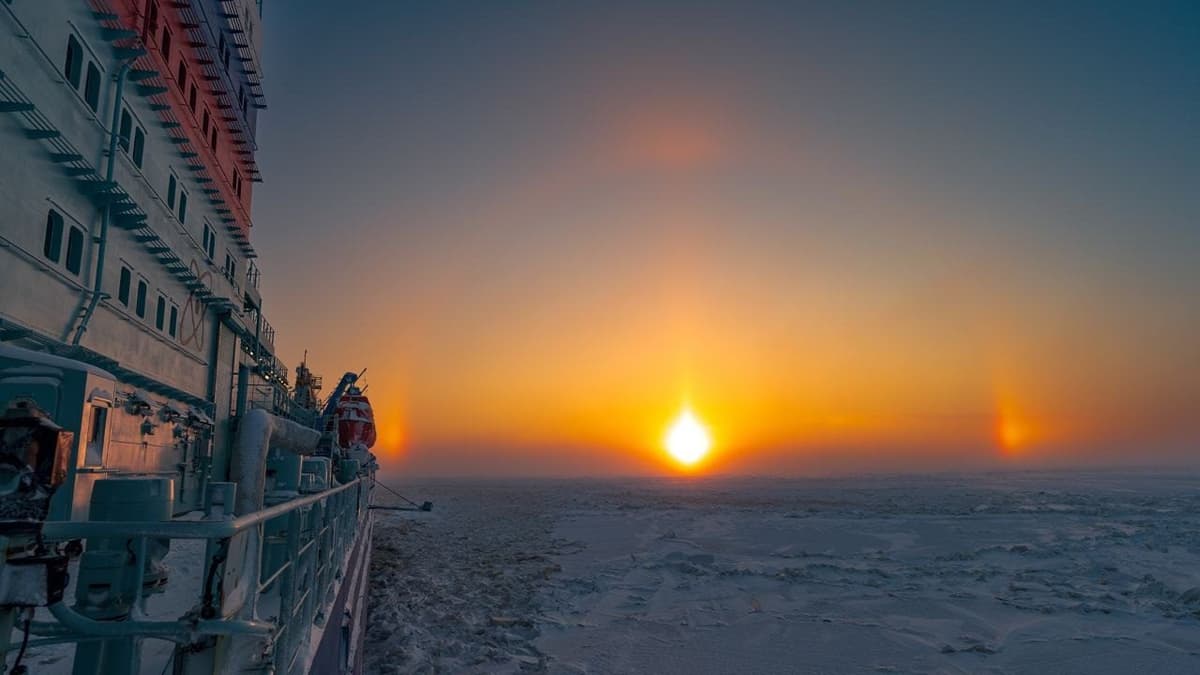
- •Nuclear icebreaker Ural provided escort through East Siberian Sea ice
- •Arc7 fleet remains limited, crucial for Arctic LNG 2 exports
- •Destination could be Koryak FSU or China’s Beihai terminal
- •Sanctions force maintenance in Chinese yards, limiting European options
Pulse Analysis
The early‑season passage of the Christophe de Margerie underscores how Russia is leveraging its nuclear icebreaker fleet to keep the Arctic LNG 2 supply chain moving despite heightened sanctions. By escorting the Arc7‑class carrier through the East Siberian Sea, the navy‑backed convoy proved that viable routes still exist before the full spring melt, a rarity that only two prior voyages have achieved. This capability not only preserves export volumes from the sanctioned project but also signals to global LNG buyers that Russian Arctic shipments remain operational, albeit with higher logistical complexity.
Capacity constraints are now a central concern. The Arc7 fleet, built for thick‑ice navigation, comprises only a handful of vessels, and the Christophe de Margerie represents a significant share of that limited pool. Its potential off‑load at the Koryak floating storage unit would free the ship for another Arctic LNG 2 run, while a diversion to China’s Beihai terminal would shift cargo to downstream markets but reduce shuttle capacity for the Saam FSU. Analysts warn that any delay or rerouting could ripple through the LNG market, tightening supply and influencing spot prices as buyers scramble for alternative sources.
Geopolitically, the voyage highlights the broader impact of Western sanctions on Russian maritime logistics. With European shipyards off‑limits, the carrier must rely on Chinese yards for maintenance, a trend likely to intensify as sanctions tighten through 2027. This dependence not only raises operational costs but also creates strategic vulnerabilities for Russia’s Arctic export ambitions. Meanwhile, the need for continued icebreaker support suggests that future Arctic shipping seasons may require even greater state resources, reshaping the economics of northern LNG projects and prompting investors to reassess risk exposure.
Satellite Images Capture Sanctioned Russian LNG Carrier’s Rare Early-Season Arctic Transit
Comments
Want to join the conversation?
Loading comments...