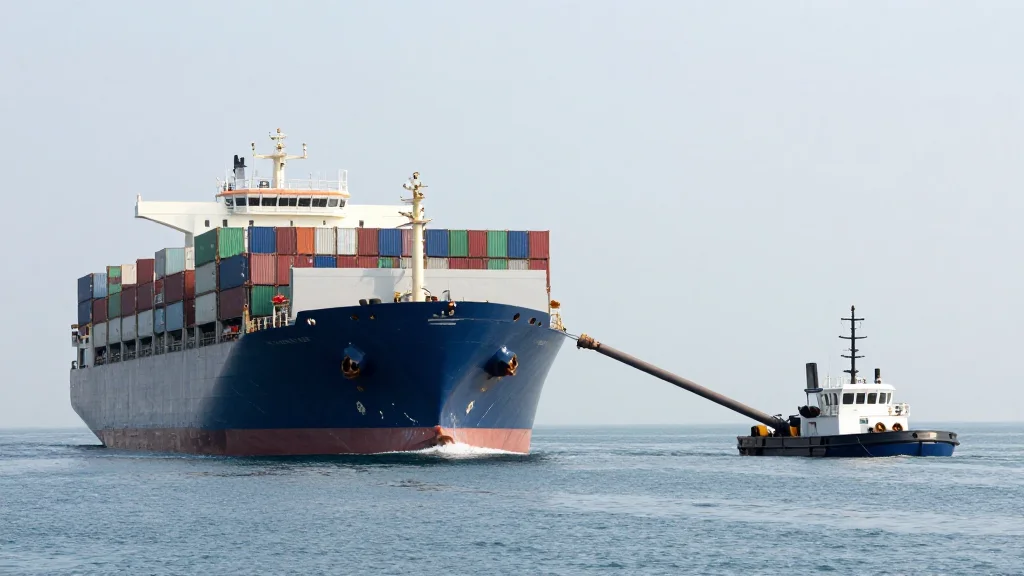
Savannah to Fund Its Own Study on Readying Port for Big Ships
Why It Matters
The study could unlock significant cargo growth by allowing Savannah to handle the next generation of mega‑ships, strengthening Georgia’s role in U.S. import‑export logistics and intensifying competition with neighboring ports.
Key Takeaways
- •Savannah port seeks own study to deepen and widen harbor.
- •Current channel depth 49 ft, inner harbor 47 ft limits ultra‑large ships.
- •Funding study privately aims to accelerate USACE approval timeline.
- •Upgraded harbor could attract 8,200‑TEU vessels, boosting cargo volumes.
- •Project may enhance Georgia’s competitive edge among East Coast ports.
Pulse Analysis
Savannah’s port has surged ahead of many East Coast facilities, handling more than 4 million TEUs annually. Yet its 49‑foot channel and 47‑foot inner harbor constrain the next wave of ultra‑large container vessels, which require deeper drafts to operate efficiently. Tidal bottlenecks force ships to off‑load partially, eroding revenue and prompting carriers to favor deeper ports such as Charleston or Norfolk. By commissioning its own study, the Georgia Ports Authority is proactively addressing a structural limitation that could otherwise stall growth.
The decision to self‑fund the engineering analysis sidesteps the lengthy federal appropriations process, allowing the GPA to submit a Letter of Intent to the U.S. Army Corps of Engineers and potentially fast‑track the environmental and design reviews. Private financing signals confidence in the project’s return on investment, while also giving the authority greater control over scope and timelines. If approved, the deepening and widening could be completed within a decade, compared with the 15‑plus years typical for federally funded harbor upgrades.
Beyond the technical upgrades, the study carries broader economic implications. A deeper Savannah Harbor would attract the newest generation of 20,000‑TEU mega‑ships, increasing cargo throughput, creating construction and long‑term logistics jobs, and expanding the tax base for the region. The enhanced capacity would also sharpen Georgia’s competitive edge against rival ports, potentially reshaping shipping lanes along the Atlantic seaboard and reinforcing the United States’ position in global supply chains.
Savannah to fund its own study on readying port for big ships
Comments
Want to join the conversation?
Loading comments...