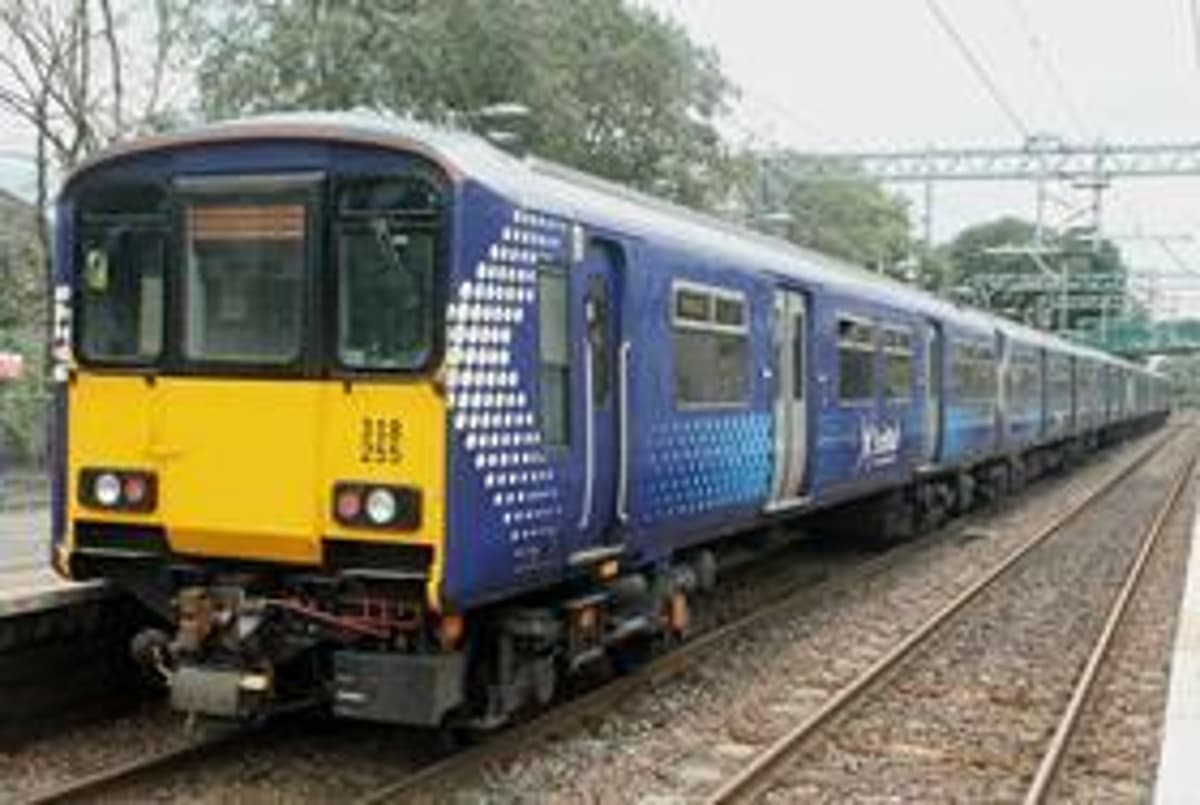
ScotRail Seeks Financing Options for Replacement Suburban Trains
•March 6, 2026
0
Why It Matters
Securing long‑term financing enables ScotRail to modernise its suburban network, supporting Scotland's decarbonisation goals and improving service reliability. The deal also creates a sizable, multi‑year revenue stream for train financiers and manufacturers.
Key Takeaways
- •ScotRail seeks financiers for 69‑plus new suburban trains
- •Tender submissions due April 10; invitations expected July 17
- •Financier will own, lease trains up to 30‑year term
- •Transport Scotland may provide Section 54 lease guarantee
- •Features include air‑conditioning, bike, wheelchair spaces, level boarding
Pulse Analysis
ScotRail’s financing tender reflects a broader shift in European rail toward asset‑light models, where operators outsource capital‑intensive procurement to specialised investors. By separating ownership from operation, the Scottish rail system can tap global capital markets, mitigate upfront cost burdens, and align lease payments with revenue streams. The Section 54 guarantee from Transport Scotland adds a sovereign backstop, reducing perceived risk for lenders and potentially lowering financing costs, a structure increasingly common in UK rail projects following the success of similar arrangements on the Great Western Main Line.
The technical specifications of the new fleet underscore Scotland’s commitment to greener mobility. Electric and battery‑electric multiple‑units will replace a mix of diesel Class 156 DMUs and older EMUs, directly supporting the nation’s net‑zero targets and the electrification programme slated for completion by 2029. Enhanced passenger amenities—air‑conditioning, dedicated bicycle and wheelchair spaces, and level boarding—address evolving commuter expectations and aim to shift modal share from cars to rail, especially on high‑traffic corridors like the Argyle Line and South Electrics.
From an industry perspective, the tender creates a lucrative opportunity for manufacturers and financiers alike. While a separate procurement will select the train builder, the financing contract’s 30‑year lease term, with a possible five‑year extension, offers a stable, long‑term cash flow that can underpin large‑scale production investments. This could attract both traditional rolling‑stock firms and emerging battery‑electric specialists seeking to enter the UK market. Ultimately, the initiative positions Scotland as a testbed for integrated financing‑manufacturing models that could be replicated across other UK regions and beyond, accelerating the transition to sustainable, high‑capacity suburban rail services.
ScotRail seeks financing options for replacement suburban trains
0
Comments
Want to join the conversation?
Loading comments...