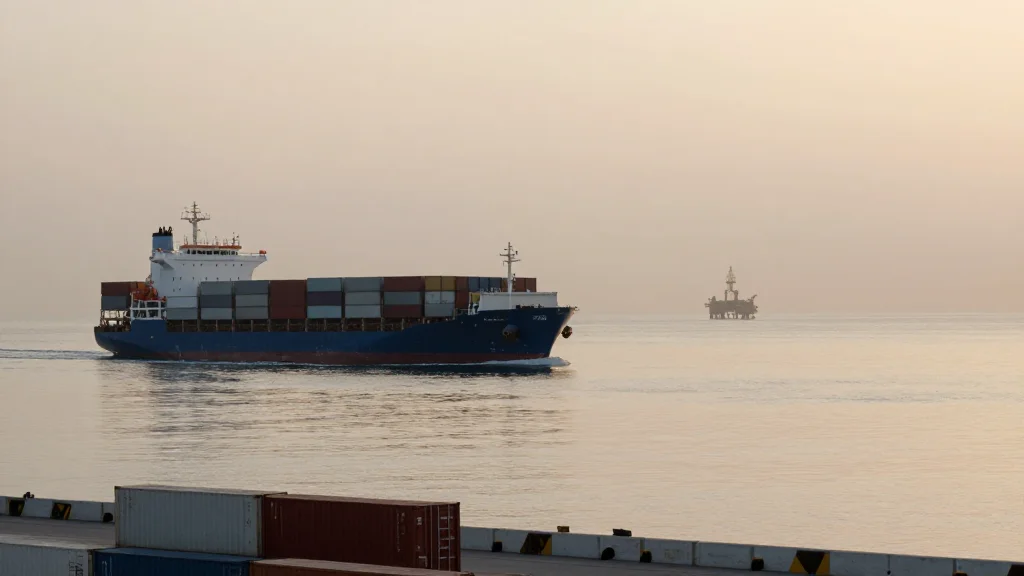
SeaLead Warns of Network Disruptions in Persian Gulf War Zone
Why It Matters
Disruptions in the Persian Gulf threaten global supply chains, forcing shippers to reconsider routing and inventory strategies amid heightened geopolitical risk.
Key Takeaways
- •SeaLead trims coverage in six Asian markets.
- •Middle‑East war zone causing cargo routing challenges.
- •Potential equipment shortages flagged for affected vessels.
- •Alternative, secure routes being evaluated.
- •Fresh bookings limited, focusing on Jeddah port.
Pulse Analysis
The Persian Gulf has long been a critical artery for oil, containerized goods, and bulk commodities, but the ongoing conflict has amplified volatility for maritime operators. SeaLead, a Singapore‑based carrier, is among the first to publicly acknowledge the strain on its network, citing not only security concerns but also the logistical strain of maintaining equipment in a high‑risk environment. By flushing out idle containers in India and scaling back services across several Asian markets, the company is attempting to preserve cash flow while safeguarding its core routes that remain essential for trade between Europe, Asia, and the Middle East.
Industry analysts view SeaLead’s strategic pullback as a bellwether for broader carrier behavior. Equipment shortages, a recurring pain point during geopolitical shocks, can cascade into higher freight rates and longer dwell times at ports. The carrier’s move to evaluate alternative, more secure routing—potentially via the Red Sea’s southern corridor or longer trans‑Pacific loops—highlights a shift toward resilience over speed. Shippers are likely to face higher costs and must factor in contingency planning, such as diversified carrier contracts and increased inventory buffers, to mitigate the risk of delayed deliveries.
Beyond immediate operational tweaks, SeaLead’s restructuring signals a longer‑term recalibration of global shipping networks. As carriers prune less profitable lanes and concentrate on high‑margin routes like Jeddah, the competitive landscape may tighten, prompting consolidation and strategic alliances. For businesses reliant on Gulf trade, staying informed about carrier advisories and investing in supply‑chain visibility tools will be crucial to navigate the evolving risk profile while capitalizing on any capacity gaps that emerge from reduced competition.
SeaLead warns of network disruptions in Persian Gulf war zone
Comments
Want to join the conversation?
Loading comments...