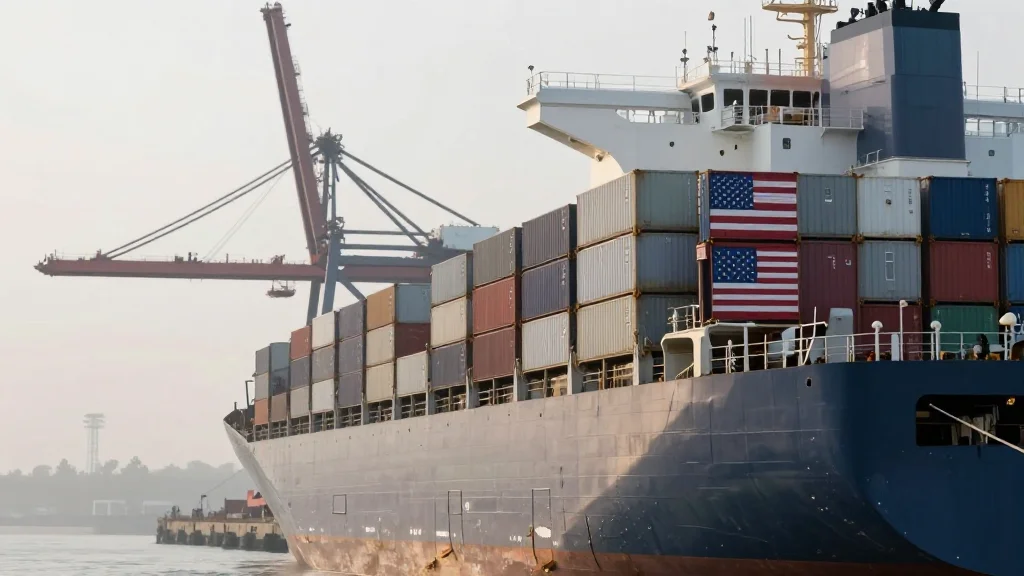
Senate Democrats Push USTR on China-Linked Port Fees
Why It Matters
Reinstating the fees could pressure China, protect domestic shipbuilding jobs, and raise shipping costs for U.S. trade. It signals Congress’s willingness to tighten trade policy to address strategic competition.
Key Takeaways
- •Warren, Kelly demand USTR act on China port fees within two weeks.
- •Fees on Chinese ships were suspended for one year after brief reinstatement.
- •Reinstating fees aims to boost U.S. shipbuilding and logistics sector.
- •Potential increase in shipping costs for U.S. importers and exporters.
- •Signals congressional push for tougher China trade measures.
Pulse Analysis
Port‑call fees have long been a niche but potent tool in U.S. trade policy, levied on foreign vessels that dock at American ports. First introduced in the early 2000s, the fees target ships built or operated by non‑U.S. entities, effectively raising the cost of using U.S. infrastructure. In October, the Trump administration briefly re‑imposed the charge on Chinese‑linked vessels before pausing it for a year to keep negotiations on tariffs and market access fluid. The temporary suspension left a policy vacuum that industry groups and lawmakers have been eager to fill.
Senators Warren and Kelly’s letter to USTR Jamieson Greer reflects a broader legislative push to weaponize trade mechanisms against China’s maritime dominance. By setting a two‑week deadline, the senators are signaling that the administration must move from rhetoric to concrete action, especially as Chinese shipyards continue to capture a growing share of global new‑build orders. The move dovetails with other congressional initiatives, such as increased funding for the Domestic Shipbuilding and Repair Act, aimed at revitalizing a sector that has lost market share to foreign competitors.
If the fees are reinstated, U.S. importers and exporters could see modest cost increases, which may be passed along the supply chain. However, the broader impact could be a stronger incentive for domestic shipbuilders, potentially spurring job creation and technological upgrades in the maritime logistics ecosystem. The episode also serves as a bellwether for future U.S.–China trade confrontations, suggesting that Congress is prepared to employ targeted, sector‑specific measures to counter perceived strategic threats.
Senate Democrats push USTR on China-linked port fees
Comments
Want to join the conversation?
Loading comments...