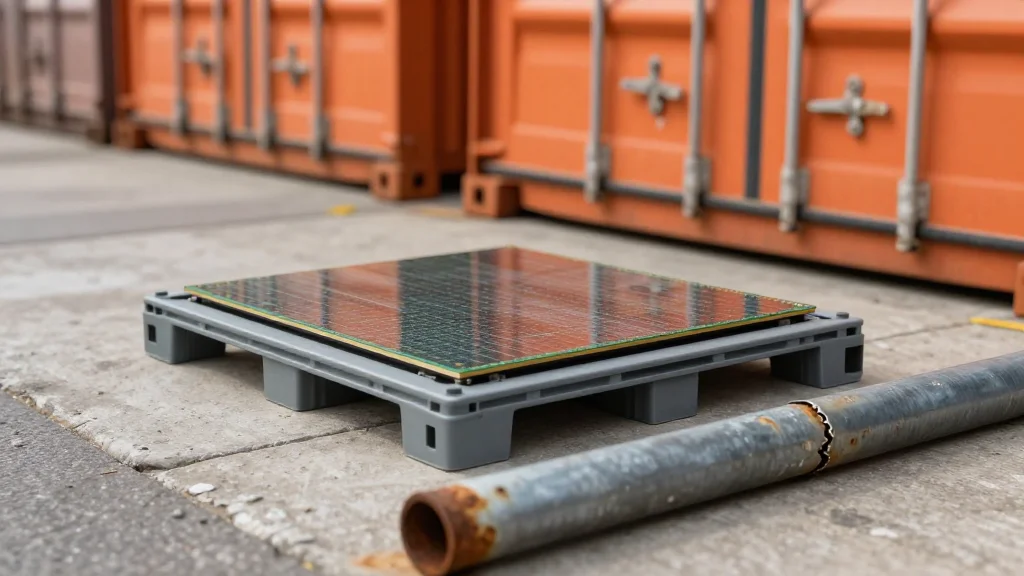
Seven Ways the Iran War Could Disrupt Global Tech Supply Chains
Why It Matters
Delays and cost spikes could erode margins for cloud, AI, and consumer tech firms, while reshaping where and how new capacity is built. The shifts may accelerate supply‑chain diversification and impact investor expectations across the tech sector.
Key Takeaways
- •Data center workloads may need regional relocation
- •Chip fab equipment deliveries face Middle East shipping delays
- •AI hardware rollout timelines could extend months
- •Petrochemical‑based electronics materials prices may surge
- •Semiconductor allocation may prioritize AI over consumer markets
Pulse Analysis
Geopolitical turbulence in the Middle East is increasingly viewed through the lens of supply‑chain resilience rather than direct asset loss. The Iran conflict underscores how missile threats, air‑space closures, and regional instability can cripple the infrastructure that underpins data‑center operations and semiconductor manufacturing. Analysts now stress that hidden layers—such as power grids, cooling systems, and transport hubs—are the true fault lines that can halt the flow of critical components, prompting firms to map dependencies beyond traditional supplier lists.
For semiconductor fabs, the timing of equipment arrival is as crucial as the silicon wafer itself. Specialized lithography tools, clean‑room modules, and test equipment travel through Middle Eastern air‑cargo corridors; any disruption adds weeks to build schedules, delaying revenue generation for new fabs. Simultaneously, AI infrastructure projects, which rely on massive shipments of servers, networking gear, and high‑performance chips, face compounded risk. Elevated petrochemical prices further inflate the cost of printed circuit boards and specialty chemicals, squeezing margins for electronics manufacturers. Logistics bottlenecks at regional ports also threaten to backlog shipments, forcing companies to reroute cargo through longer, costlier pathways.
In response, leading tech firms are accelerating diversification strategies. Multi‑regional data‑center footprints, near‑shoring of critical component assembly, and strategic stockpiling of high‑value parts are becoming standard risk‑mitigation tactics. Investors are scrutinizing exposure to Middle Eastern logistics in earnings calls, and capital allocation decisions now factor in geopolitical risk premiums. Companies that can swiftly pivot supply routes and secure alternative material sources will preserve project timelines and protect profitability, while laggards risk delayed product launches and weakened competitive positioning.
Seven Ways the Iran War Could Disrupt Global Tech Supply Chains
Comments
Want to join the conversation?
Loading comments...