Shipowners Seek Details on Hormuz Deal Before Resuming Transits
Companies Mentioned
Why It Matters
Resuming free passage through Hormuz would restore a critical chokepoint for global oil supply, easing price pressures and stabilizing shipping routes. Without clear safety protocols, the risk of incidents could undermine market confidence and delay the economic benefits of the deal.
Key Takeaways
- •US‑Iran pact promises 60‑day free Hormuz transits, then fees
- •BIMCO says safety details still missing before traffic can resume
- •Japanese shippers demand government and insurer coordination before sailing
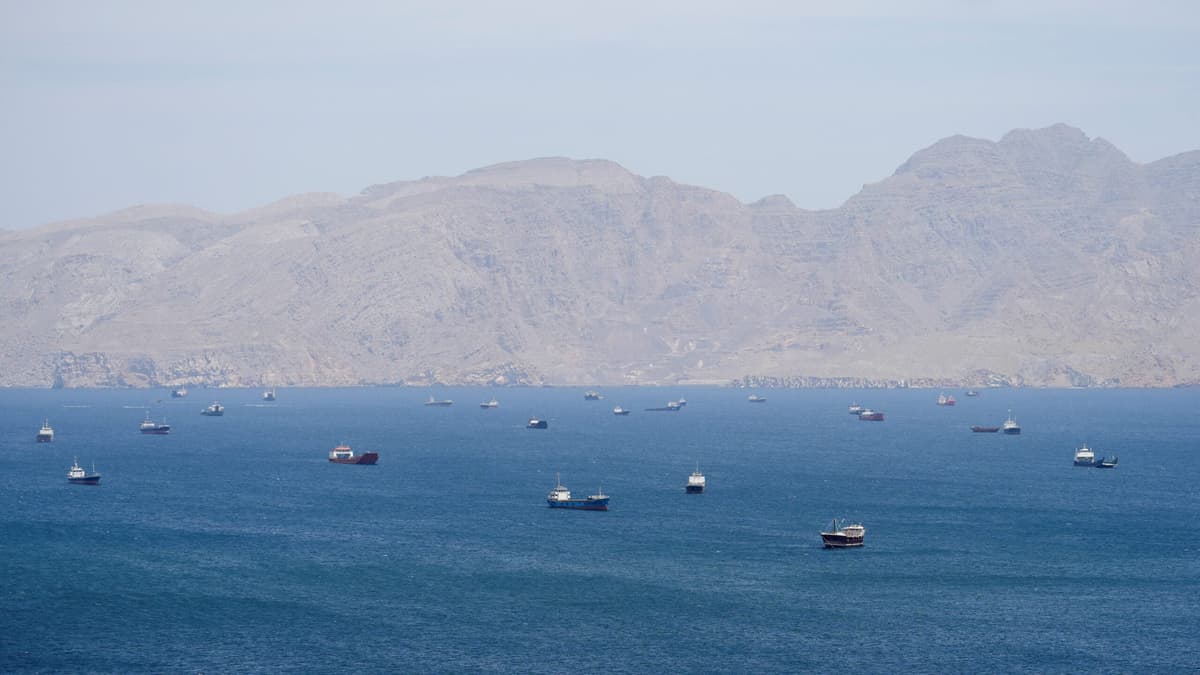
- •Around 300 loaded vessels await clearance in the Persian Gulf
- •Mine clearance and narrow lanes raise collision risk as traffic surges
Pulse Analysis
The announced U.S.-Iran understanding marks the first concrete step toward reactivating the Strait of Hormuz, a waterway that handles roughly 20% of the world’s oil trade. While Brent futures slipped nearly 5% on the news, the market remains cautious because the agreement’s operational specifics—such as navigation protocols, fee structures, and enforcement mechanisms—have not been fully disclosed. Analysts expect that once the 60‑day free‑transit period expires, Iran will levy charges for safety, navigation, and insurance services, potentially reshaping cost calculations for shippers and refiners alike.
From an operational standpoint, the maritime community faces a cascade of challenges beyond the headline of "reopened" strait. BIMCO and other industry bodies highlight the need for verified mine‑clearance, reliable AIS data, and coordinated traffic management within the strait’s 24‑mile width. Japanese carriers such as Mitsui OSK and NYK have signaled that they will only dispatch vessels after securing government backing and insurer approval, reflecting a broader risk‑averse posture among Asian fleets. Meanwhile, the backlog of roughly 300 loaded and 250 ballast vessels stranded in the Persian Gulf underscores the logistical bottleneck that could strain port facilities and crew availability once clearance is granted.
The broader economic implications hinge on how quickly safe, predictable traffic can be reestablished. A swift, orderly flow would unlock millions of barrels of oil currently trapped, supporting global supply and potentially tempering inflationary pressures linked to energy costs. Conversely, prolonged uncertainty or a resurgence of hostilities could keep the market on edge, prompting buyers to seek alternative routes or hedge more aggressively. For the shipping sector, the deal represents both an opportunity to recoup lost revenue and a test of the industry’s ability to adapt to geopolitical volatility while maintaining safety standards.
Shipowners Seek Details on Hormuz Deal Before Resuming Transits
Comments
Want to join the conversation?
Loading comments...