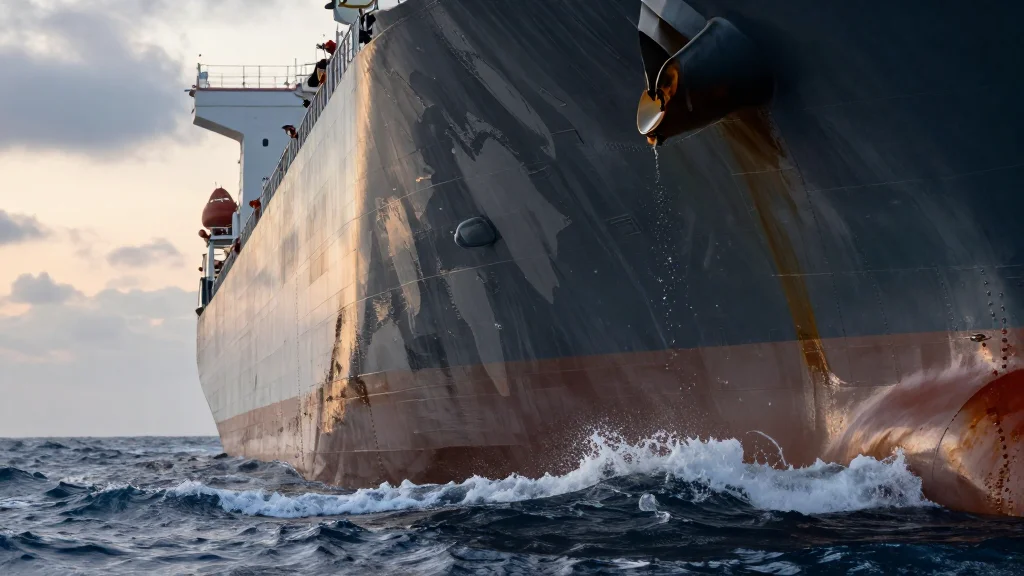
Shipowners Urged to Stay Nimble as Geopolitics Reshapes Global Shipping
Companies Mentioned
Why It Matters
Geopolitical volatility is forcing shipowners to redesign fleet deployment and financing, making flexibility and disciplined risk management critical for profitability and industry stability.
Key Takeaways
- •Over 200 vessels currently trapped in the Gulf amid rising tensions.
- •Dry bulk speeds dropped below 11 knots due to higher oil prices.
- •Around 1,500 “dark fleet” tankers operate outside regulations, raising safety risks.
- •Shipowners prioritize balance‑sheet strength and contractual flexibility to manage sanctions.
Pulse Analysis
The shipping sector is entering an era where geopolitics dictates market dynamics as much as freight rates. Trade wars between the United States and China have already rerouted cargo flows, moving Chinese exports from the U.S. to Brazil and prompting Europe to seek alternatives to Russian supplies. Simultaneously, the Ukraine conflict, Red Sea disruptions and the latest Persian Gulf crisis have forced operators to reroute vessels, leaving more than 200 ships stranded and compressing dry‑bulk speeds to under 11 knots. These shifts are not temporary blips; they are reshaping the geography of global trade and redefining asset valuations.
Beyond route changes, the industry faces escalating non‑operational risks. Sanctions can instantly render a cargo illegal, while insurance premiums surge amid heightened security threats. The rise of a "dark fleet"—approximately 1,500 unregulated tankers—adds safety and compliance concerns, prompting calls for stricter enforcement. Fuel availability has also become a bottleneck, with some ports reporting 10‑12 day bunker wait times, further eroding margins. Collectively, these factors pressure balance sheets and demand more sophisticated risk‑management frameworks.
In response, shipowners are doubling down on flexibility and financial resilience. Diversified charter structures, force‑majeure clauses, and real‑time data analytics enable rapid adjustments to volatile conditions. Leaders emphasize a strong balance sheet—cash is once again king—to weather sudden regulatory swings and to fund newer, eco‑efficient vessels when market sentiment shifts. As geopolitical tensions persist, the ability to pivot quickly, maintain liquidity, and enforce consistent industry standards will determine which operators thrive in the new shipping landscape.
Shipowners urged to stay nimble as geopolitics reshapes global shipping
Comments
Want to join the conversation?
Loading comments...